
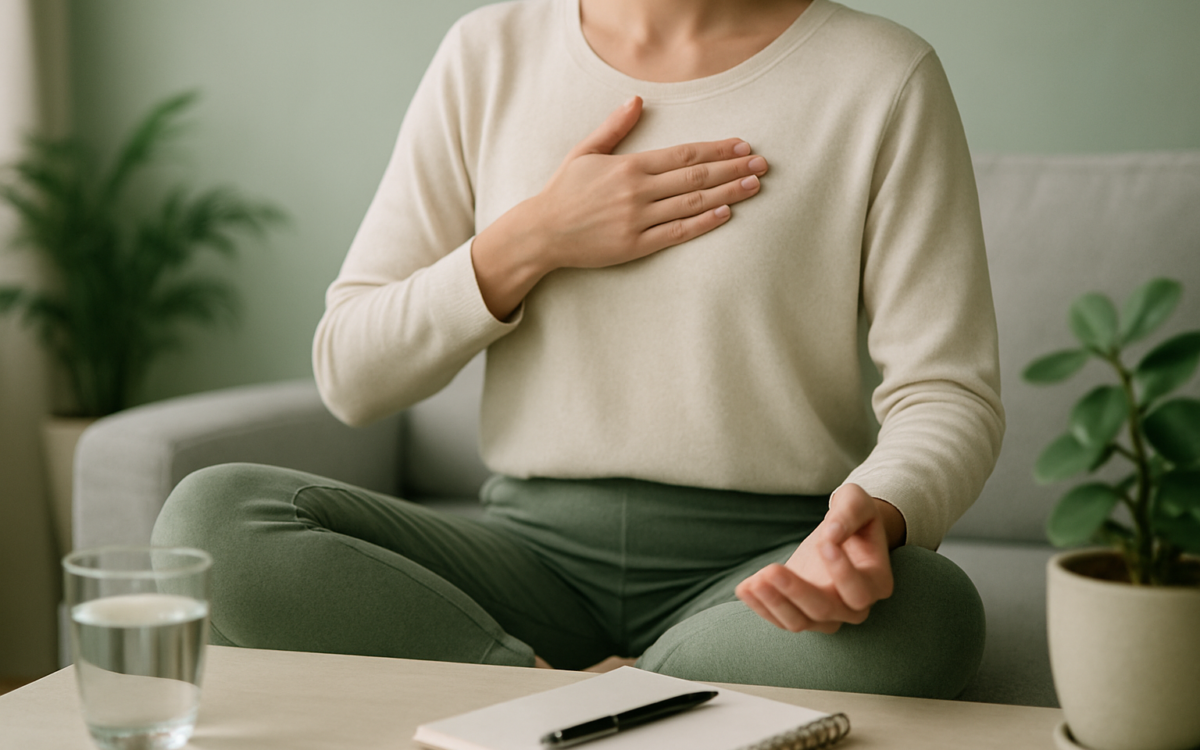
In our fast-paced world, stress often feels like a constant companion. Whether it’s juggling work, family responsibilities, or financial challenges, many people find themselves overwhelmed. However, incorporating effective stress-lowering techniques into your daily routine can significantly improve your mental and physical well-being. Let’s explore some of these techniques that can help you find peace and balance amidst life’s demands.
Understanding Stress and Its Effects
Before diving into techniques for managing stress, it’s essential to understand what stress is and how it affects us. Stress is your body’s natural response to challenges or demands. It can be triggered by events like work deadlines, life changes, or interpersonal issues. While some stress can be motivating, chronic stress may lead to health problems like anxiety, depression, heart disease, and weakened immune function. For more information on the effects of stress, you can visit NIH.
Mindfulness and Meditation
One of the most effective ways to combat stress is through mindfulness and meditation. These practices encourage you to stay present and aware of your thoughts and feelings without judgment. Studies have shown that practicing mindfulness can lower anxiety and improve overall quality of life.
Getting Started with Mindfulness
To incorporate mindfulness into your routine, consider the following steps:
- Find a quiet space where you can sit comfortably.
- Close your eyes and take a few deep breaths, focusing on the sensation of the air entering and leaving your body.
- When your mind wanders, gently bring your focus back to your breath.
- Start with just five minutes a day, gradually increasing the time as you become more comfortable.
Deep Breathing Techniques
Deep breathing is a simple yet powerful way to reduce stress. It helps to lower your heart rate and blood pressure, putting you in a more relaxed state. By focusing on your breath, you can clear your mind and alleviate anxiety.
Simple Deep Breathing Exercise
Try this technique next time you’re feeling stressed:
- Inhale deeply through your nose for a count of four.
- Hold your breath for a count of four.
- Exhale slowly through your mouth for a count of four.
- Pause and hold your breath again for four counts.
- Repeat this cycle for a few minutes.
Physical Activity and Its Benefits
Regular physical activity is another effective way to reduce stress. Exercise releases endorphins, which are chemicals in the brain that act as natural painkillers and mood elevators. You don’t need to run a marathon; even a brisk walk can make a difference.
Finding Your Favorite Activity
Experiment with different forms of exercise to find what you enjoy, such as:
- Walking or jogging
- Yoga or Pilates
- Swimming
- Cycling
- Group sports or dance classes
Make it a point to schedule physical activity into your day, aiming for at least 30 minutes most days of the week. Even small amounts of movement can help alleviate stress.
Establishing a Relaxation Routine
Creating a relaxation routine can provide your mind and body with the downtime it needs to recover from stress. This routine can consist of activities you find soothing and enjoyable.
Ideas for Your Relaxation Routine
Consider integrating the following into your routine:
- Reading a book
- Listening to calming music or podcasts
- Taking a warm bath or shower
- Practicing yoga or gentle stretching
- Engaging in a hobby like gardening or painting
Regularly setting aside time for relaxation can help you recharge and manage your stress levels more effectively.
Social Connections and Support
Human connection is vital for emotional well-being. Sharing your feelings and experiences with supportive friends and family members can be incredibly beneficial. Social interactions provide an essential outlet for stress and foster a sense of belonging.
Building Your Support Network
To enhance your social well-being:
- Reach out to friends or family members regularly.
- Join community groups or clubs that interest you.
- Consider participating in support groups for shared experiences.
- Volunteer for causes you are passionate about.
A robust support network creates a buffer against stress and enriches your life.
When to See a Doctor
While stress is a natural part of life, it can become overwhelming at times. If you’re finding it hard to cope with your stress, or if it’s leading to significant disruption in your daily life, it may be time to consult a healthcare professional. Additionally, if you experience physical symptoms like chronic headaches, digestive issues, or persistent fatigue, it’s important to seek medical advice. For further information, you can visit Mayo Clinic.
In conclusion, stress is a common experience, but it doesn’t have to control your life. By implementing these stress-lowering techniques, you can cultivate a greater sense of peace and well-being. Remember, it’s important to find what works best for you and to be gentle with yourself as you navigate the ups and downs of life.
