
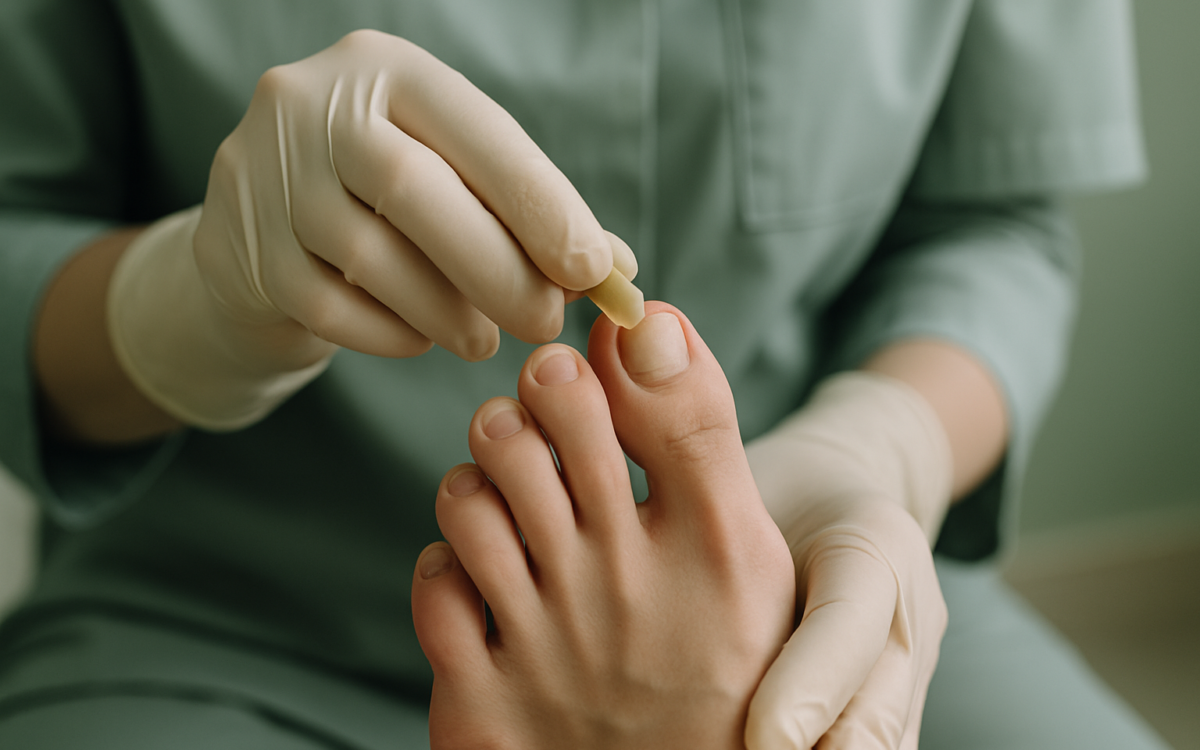
Feeling a sudden looseness in your toenail can be alarming. It may evoke worries about health, hygiene, and how to treat it properly. Toenails can fall off for various reasons, from injuries to infections. Understanding these causes, along with the proper care techniques, can help you navigate this unsettling experience.
Common Causes of Toenail Loss
There are multiple reasons a toenail may fall off, ranging from traumatic injury to underlying health conditions:
- Trauma or Injury: One of the most common reasons for toenail loss is trauma. Stubbing your toe, dropping something heavy on your foot, or excessive pressure from ill-fitting footwear can cause the toenail to loosen and eventually fall off.
- Fungal Infections: Fungal infections, such as onychomycosis, can weaken the toenails and lead to discoloration, brittleness, and eventual loss. Fungal nails often appear thickened or yellowed.
- Psoriasis: Nail psoriasis can also lead to toenail loss. This inflammatory skin condition can cause nail changes, including pitting, discoloration, and separation from the nail bed.
- Circulatory Issues: Poor circulation can lead to various problems in the extremities, including nail loss. Conditions such as peripheral vascular disease can hinder blood flow to the toes.
- Chronic Health Conditions: Diabetes and autoimmune diseases can compromise nail health. People with diabetes must watch their feet closely, as infections can develop quickly without proper care.
- Medications: Certain medications, particularly those used in chemotherapy, can have side effects that cause nails to weaken and fall off. Discussing any concerns with your healthcare provider is essential.
Signs and Symptoms to Watch For
Knowing the signs and symptoms that accompany toenail loss can aid in determining the cause. Here are some indicators to pay attention to:
- Pain or Discomfort: If the nail area is painful, sore, or swollen, it may indicate an infection or injury.
- Discoloration: Yellow or black nails may point to a fungal infection or injury.
- Nail Texture Changes: Nails that are brittle, pitted, or thickening can signal underlying issues.
Caring for Your Toenails
Whether you’re dealing with a toenail that has fallen off or are trying to prevent nail loss, proper care is crucial. Here are some tips:
1. Keep Feet Clean and Dry
Regularly wash your feet with soap and water, ensuring you dry them thoroughly. Moisture can foster fungal infections, so maintaining dryness help keeps nails healthy.
2. Trim Toenails Properly
Trim toenails straight across and avoid cutting them too short. This helps prevent ingrown nails and reduces the risk of injury.
3. Wear Comfortable Shoes
Choosing well-fitting shoes can prevent unnecessary pressure and trauma to your toenails. Shoes that are too tight or too loose can lead to toenail injuries and increase the risk of infections.
4. Use Antifungal Products
If you experience recurrent fungal infections, consider using over-the-counter antifungal powders or sprays. Regular use can help maintain healthy toenails.
5. Monitor for Changes
Watch for any changes in your toenails. If you notice discoloration, increased thickness, or separation from the nail bed, it can be an early sign of a problem.
When to See a Doctor
If your toenail has fallen off, seek medical advice if you experience:
- Signs of infection, such as increased redness, swelling, or pus.
- Persistent pain or discomfort in the toe or foot.
- Changes in skin color or temperature around the affected area.
- Multiple toenails falling off or repeating issues with toenail loss.
Consulting with a healthcare professional can help determine the cause and allow for appropriate treatment.
Conclusion
Losing a toenail can be a distressing experience, but understanding the reasons behind it can ease worry. By maintaining good foot hygiene and being attentive to your nails, you can greatly reduce the risk of toenail loss. Remember, if you find yourself facing any concerning symptoms, don’t hesitate to reach out to a healthcare provider for guidance and support. A healthy lifestyle and proper care can help keep your feet happy and healthy.
