
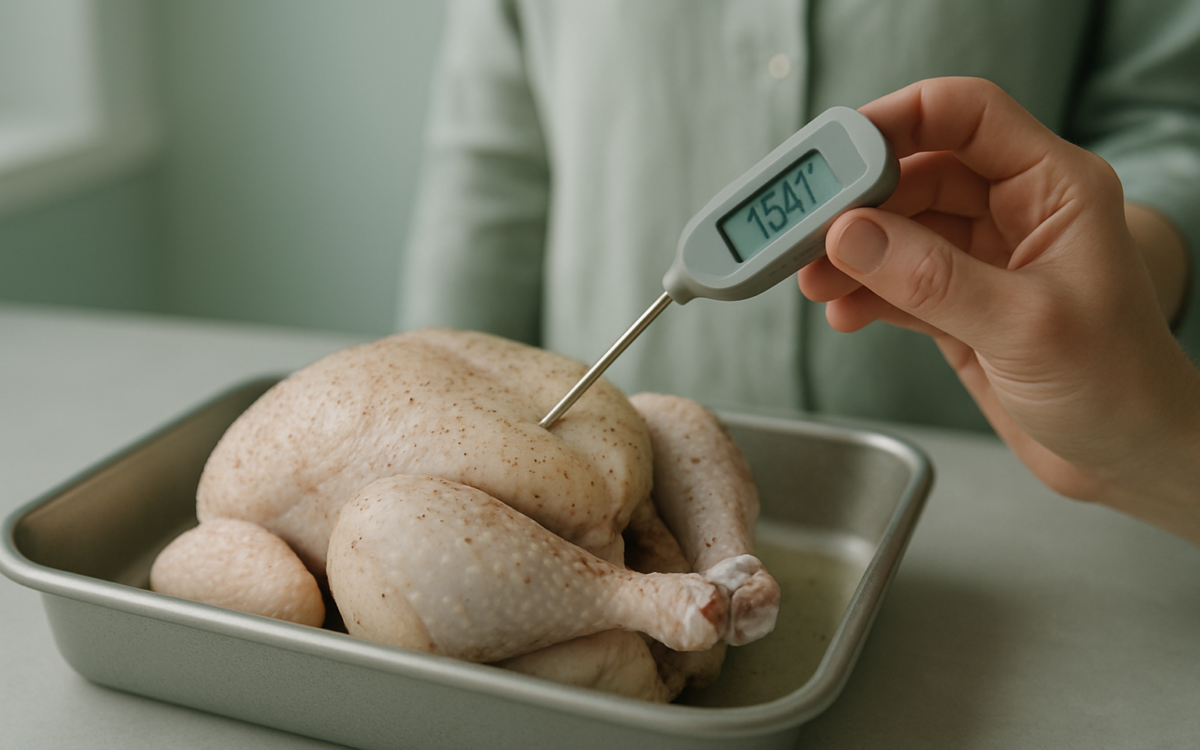
Cooking chicken can be a delightful experience, but ensuring it is safe to eat is crucial. One of the most important factors in cooking chicken is the internal temperature. Knowing the right poultry temperature isn’t just about preference; it’s a matter of food safety. This guide will explore why proper cooking temps matter, how to measure them, and what to do if things go wrong.
Why Poultry Temperatures Matter
Cooking chicken to the right temperature is essential to eliminate harmful bacteria, such as Salmonella and Campylobacter. These bacteria can lead to severe foodborne illnesses. According to the Centers for Disease Control and Prevention (CDC), roughly 1 in 6 Americans gets sick from foodborne illnesses each year, and poultry is a common culprit.
The Safe Cooking Temperature for Chicken
The USDA recommends that chicken be cooked to a minimum internal temperature of 165°F (75°C). This temperature is high enough to kill any harmful pathogens. Whether you are cooking whole chickens, chicken parts, or ground chicken, the same temperature applies. Here’s a quick reference for chicken cuts:
- Whole Chicken: 165°F (75°C)
- Chicken Breasts: 165°F (75°C)
- Chicken Thighs and Legs: 165°F (75°C)
- Ground Chicken: 165°F (75°C)
It’s important to check the temperature at the thickest part of the meat, away from bones, to ensure an accurate reading.
How to Measure Chicken Temperature
Using a meat thermometer is the best way to measure the internal temperature of cooked chicken. Instant-read thermometers are widely available, simple to use, and provide accurate results. Here are some steps to follow:
- Insert the thermometer into the thickest part of the chicken, avoiding any bones since they can give a false reading.
- Wait a few seconds until the reading stabilizes.
- Ensure the temperature reads at least 165°F (75°C).
If the chicken hasn’t reached this temperature, continue cooking and re-check the temperature frequently.
Types of Meat Thermometers
Not all thermometers are the same. Here are some common types you can consider:
- Instant-Read Thermometers: These give quick readings and are great for checking if chicken is done.
- Probe Thermometers: You can insert these into the chicken before cooking to monitor the temperature throughout the cooking process.
- Digital Thermometers: These often provide fast and accurate readings, some even with preset temperatures for various meats.
- Infrared Thermometers: While these can measure surface temperature, they aren’t suitable for meat doneness.
Choose the one that feels right for you and your cooking style!
Avoiding Common Mistakes
Even when you know the right temperature, mistakes can happen. Here are some common errors to avoid:
- Not Experimenting: Different cooking methods can yield different results. Take time to learn how your grill or oven cooks.
- Rushing the Resting Period: Allowing chicken to rest for a few minutes after cooking can help redistribute juices, improving flavor and moisture.
- Checking Temperature at the Wrong Spot: Make sure you’re measuring in the right place. Bones can give misleading temperatures.
Being mindful of these common pitfalls can save you time and heartache in the kitchen!
When to See a Doctor
If you experience symptoms of foodborne illness, such as severe nausea, vomiting, diarrhea, or high fever, it’s important to consult a healthcare professional. Staying informed about poultry safety can help protect you and your family.
Conclusion
Understanding the proper poultry temperature for chicken is crucial for food safety. By using a meat thermometer, you can confidently ensure your chicken is safe to eat, avoiding the dangers of foodborne illnesses. Remember that cooking chicken to at least 165°F (75°C) is essential in defining a delicious and safe meal. Your health matters, and being informed is the first step in making wise culinary choices!
