
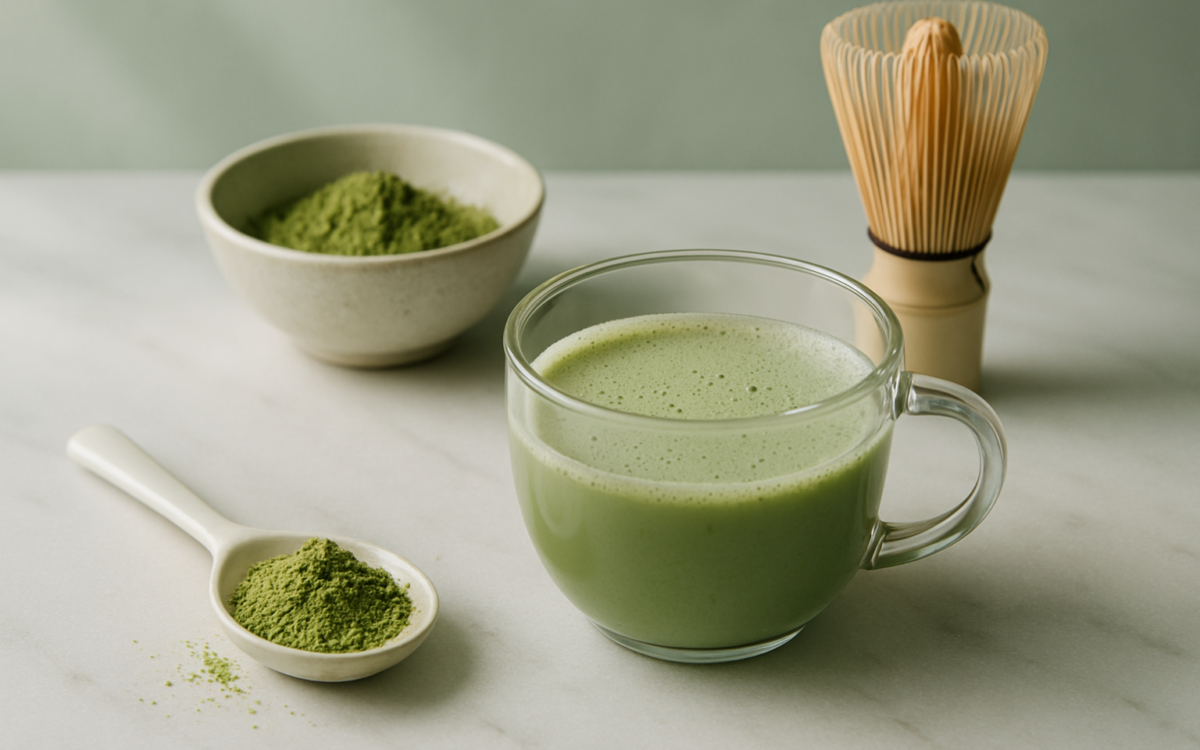
Matcha has become a popular beverage choice for many health enthusiasts. Known for its vibrant green color and unique flavor, it’s often praised for its potential health benefits. But if you’re considering adding matcha to your daily routine, you might be wondering: Does matcha contain caffeine? The short answer is yes, but the details of its caffeine content and how it affects the body are worth exploring.
Caffeine Content in Matcha
Matcha, a powdered form of green tea, comes from the leaves of the Camellia sinensis plant. Unlike regular green tea where leaves are steeped and then removed, matcha is made by grinding the leaves into a fine powder and whisking it with hot water. This method allows you to consume the entire leaf, which is where most of its nutrients—and caffeine—are found.
On average, one gram of matcha contains about 25 to 35 milligrams of caffeine. This means that a typical serving of matcha (about 2 grams) could contain approximately 50 to 70 milligrams of caffeine. In comparison, an 8-ounce cup of brewed coffee can have between 95 to 200 milligrams of caffeine, depending on the brewing method and coffee bean type. While matcha does have caffeine, it is generally lower in caffeine content than coffee, making it an interesting alternative for those looking to reduce their caffeine intake.
Health Benefits of Matcha
Matcha is celebrated not just for its caffeine content but for a range of health benefits that contribute to its popularity. Here are some notable benefits:
- Rich in Antioxidants: Matcha is packed with antioxidants, particularly catechins, which can help neutralize harmful free radicals in the body. According to the NIH, antioxidants play a crucial role in reducing oxidative stress and inflammation.
- Enhanced Focus and Calmness: The caffeine in matcha is complemented by an amino acid called L-theanine. This combination promotes a state of calm alertness, offering a more balanced energy boost than what coffee typically provides.
- Boosts Metabolism: Some studies suggest that matcha may help support weight loss and boost metabolism. The polyphenols in matcha have been linked to increased fat oxidation.
- Supports Heart Health: Regular consumption of green tea, including matcha, has been associated with lower cholesterol levels and improved heart health.
How Matcha Compares to Coffee
While both matcha and coffee contain caffeine, they affect the body differently. Here’s how they compare:
- Caffeine Release: The caffeine in coffee is absorbed quickly, often leading to a rapid spike in energy followed by a crash. Matcha, on the other hand, releases caffeine more gradually, thanks to L-theanine, providing a steadier stream of energy.
- Health Benefits: Matcha boasts additional health benefits due to its higher antioxidant content compared to brewed coffee. The antioxidants in matcha may offer protective effects against chronic diseases.
- Acidity: Coffee can be acidic and may cause stomach discomfort for some individuals. Matcha, being less acidic, might be gentler on the stomach.
Possible Side Effects
Though generally safe for most people, matcha can have side effects, especially if consumed in large quantities. Possible side effects include:
- Insomnia: Due to its caffeine content, drinking matcha later in the day may disrupt sleep.
- Irritation: Some individuals might experience irritation or upset stomach if they are sensitive to caffeine.
- Interaction with Medications: Caffeine can interfere with certain medications, so it’s important to consult with a healthcare provider if you’re taking prescription drugs.
Preparing and Enjoying Matcha
Preparing matcha is simple and can be tailored to your personal taste. Here’s a basic guide:
- Choose Quality Matcha: Look for ceremonial-grade matcha for a rich flavor and vibrant color.
- Whisking: Sift 1-2 grams of matcha into a bowl, add hot water (not boiling), and whisk vigorously until frothy.
- Experiment: Matcha can be used in smoothies, lattes, and even baking. Don’t hesitate to get creative!
When to See a Doctor
If you experience side effects from matcha or any other beverage containing caffeine, consult your healthcare provider. Additionally, if you are pregnant, nursing, or have pre-existing health conditions, it’s important to discuss your caffeine intake with a healthcare professional.
Conclusion
In summary, matcha does contain caffeine, though generally less than coffee. Its unique combination of caffeine and L-theanine offers a calm yet alert energy boost, making it a great choice for many health-conscious individuals. With its numerous health benefits and delicious flavor, matcha can be a delightful and healthy addition to your diet. Just remember, as with any caffeinated beverage, moderation is key.
