
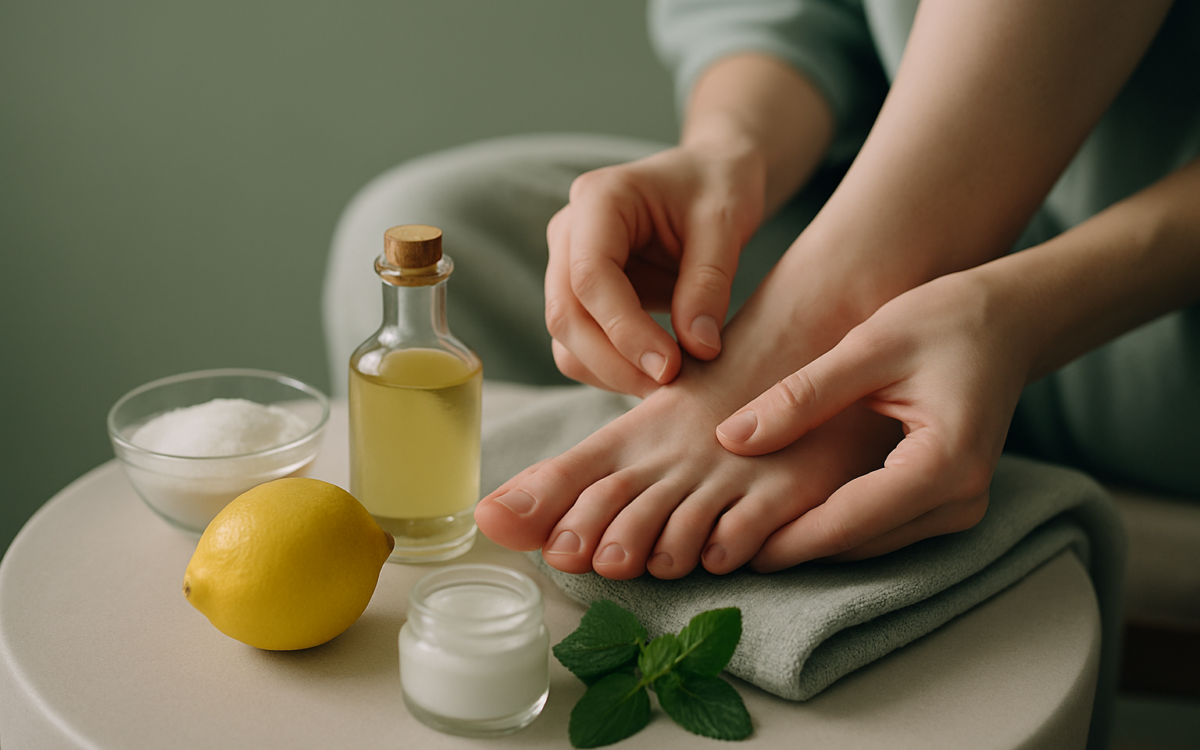
Athlete’s foot is a common fungal infection that often causes redness, itching, and peeling skin on the feet. While it’s easy to catch, especially in public spaces like locker rooms and swimming pools, dealing with it can be frustrating. Fortunately, there are several home remedies that can help alleviate the symptoms and promote healing. This article explores some effective natural solutions for athlete’s foot, enabling you to tackle this pesky problem from the comfort of your home.
Understanding Athlete’s Foot
Athlete’s foot, scientifically known as tinea pedis, is caused by fungi that thrive in warm, damp environments. It typically affects the spaces between the toes but can spread to the soles and sides of the feet as well. The signs and symptoms may include:
- Itching, burning, or stinging sensations
- Dry, scaly skin
- Redness and inflammation
- Peeling or cracking skin
- Blisters or sores in severe cases
If left untreated, athlete’s foot can become uncomfortable and may lead to secondary bacterial infections. Fortunately, there are numerous home remedies that can help alleviate these uncomfortable symptoms and promote healing.
1. Tea Tree Oil
Tea tree oil is a popular natural antifungal agent known for its ability to combat various fungal infections. It contains terpinen-4-ol, which exhibits potent antifungal properties.
To use tea tree oil for athlete’s foot:
- Mix a few drops of tea tree oil with a carrier oil, such as coconut oil or olive oil.
- Apply the mixture directly to the affected area.
- Repeat this process twice daily for best results.
Be sure to perform a patch test first to avoid potential skin irritation. For more insights on tea tree oil, you can visit the National Institutes of Health.
2. Vinegar Soaks
Vinegar, especially apple cider vinegar, has antifungal properties that can help restore the skin’s natural pH balance and deter fungal growth.
To create a vinegar soak:
- Mix one part vinegar with two parts warm water.
- Soak your feet in this solution for 15-30 minutes.
- Rinse your feet with plain water and dry thoroughly.
Repeat this once daily until the symptoms improve. Remember, while vinegar is a helpful homemade remedy, it may cause stinging if there are open sores.
3. Garlic
Garlic is not only a flavorful addition to dishes but also a natural antifungal agent. Its compounds, specifically allicin, have been shown to combat fungal infections.
To use garlic for athlete’s foot:
- Crush a few cloves of garlic and mix with a carrier oil.
- Apply the mixture to the affected area, ensuring to cover it thoroughly.
- Leave it on for about 30 minutes, then wash and dry your feet.
Repeat this treatment once daily until the infection clears up. Individuals should be cautious as garlic might cause skin irritation for some people.
4. Baking Soda
Baking soda is a readily available product that has been widely praised for its antifungal properties. It can help absorb moisture and create an environment that is less favorable for fungal growth.
To use baking soda:
- Make a paste by mixing baking soda with water.
- Apply it directly to the infected areas and let it dry. You can also sprinkle baking soda inside your shoes and on your socks to reduce moisture.
- Rinse off and dry your feet thoroughly afterwards.
Using baking soda daily can provide symptomatic relief and help expedite the healing process.
5. Coconut Oil
Coconut oil is renowned for its antiseptic and antifungal properties. It contains medium-chain fatty acids that can help inhibit the growth of fungi.
To use coconut oil:
- Apply a thin layer of virgin coconut oil to the affected area.
- Massage gently until it is absorbed.
This can be done two to three times a day. Coconut oil is safe for most skin types and may even help moisturize the skin, preventing future infections.
6. Epsom Salt Soaks
Epsom salt is often used to soothe sore muscles, but it may also help with athlete’s foot by drawing out moisture and relaxing the foot muscles.
To use Epsom salt:
- Dissolve 1-2 cups of Epsom salt in warm water.
- Soak your feet for 15-20 minutes.
- Dry your feet thoroughly after soaking.
Doing this a few times a week can provide relief from discomfort associated with athlete’s foot.
When to See a Doctor
If your athlete’s foot symptoms persist despite using home remedies, worsen, or if you develop blisters, pain, or fever, it’s essential to consult a healthcare professional. People with weakened immune systems or diabetes should reach out to a doctor earlier to prevent complications. More information about skin infections can be found at the Centers for Disease Control and Prevention.
In conclusion, athlete’s foot can be bothersome, but various home remedies offer effective relief. Utilizing natural ingredients like tea tree oil, vinegar, garlic, baking soda, coconut oil, and Epsom salt can create an environment conducive to healing. As always, listen to your body and seek medical help if symptoms escalate.
