
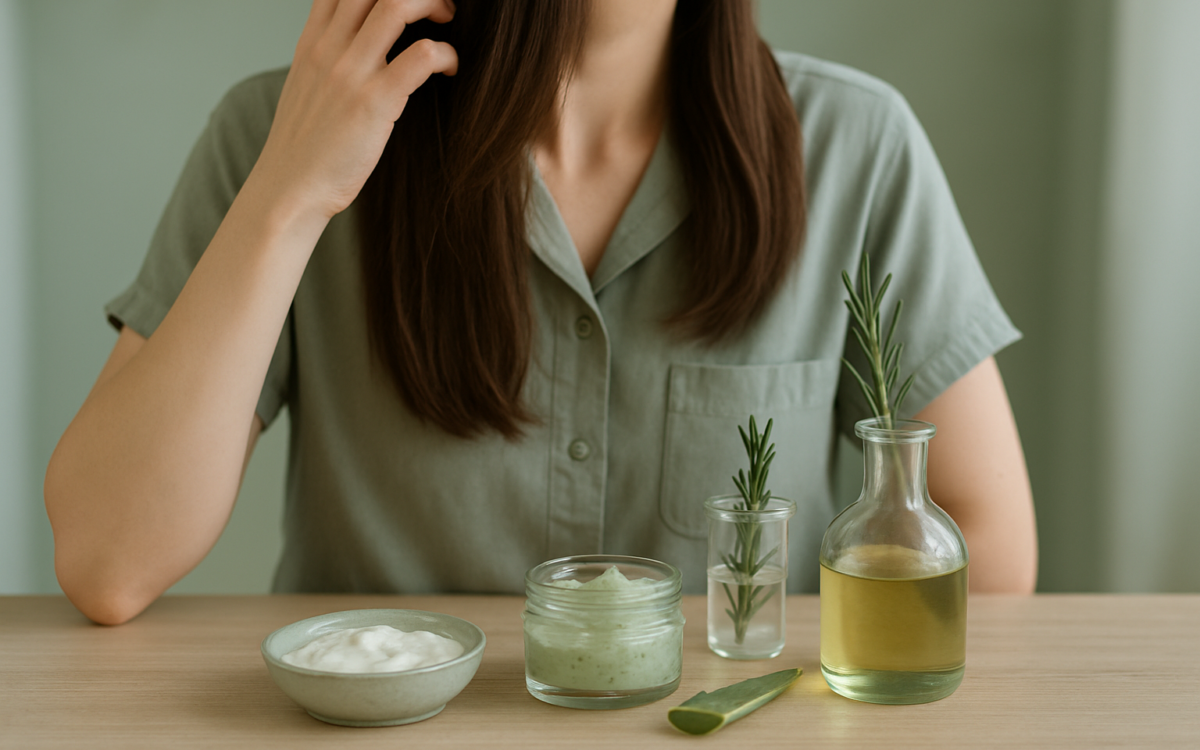
Itching scalp can be an annoying and uncomfortable experience that many people face. Whether caused by dry skin, allergies, or conditions like dandruff, an itchy scalp can lead to frustration and embarrassment. The good news is that many natural remedies can help soothe your scalp and restore comfort. Let’s dive into some effective options that might provide relief and promote scalp health.
Understanding the Causes of an Itchy Scalp
Before exploring remedies, it’s important to understand what might be causing your itching. Common causes include:
- Dry skin: Lack of moisture can lead to itchiness.
- Dandruff: This flaky condition is often accompanied by itching.
- Allergic reactions: Hair care products or environmental factors can cause irritations.
- Scalp psoriasis: This condition results in red, scaly patches and can be intensely itchy.
If your itching persists, it’s wise to consult a healthcare professional. Understanding the cause can guide you toward effective treatment options.
Essential Oils: Nature’s Soothing Agents
Essential oils offer powerful remedies for an itchy scalp, thanks to their anti-inflammatory and antimicrobial properties. Here are a few you might consider:
- Tea Tree Oil: Known for its antifungal properties, tea tree oil can help combat dandruff and reduce itching. Dilute a few drops in a carrier oil before applying directly to the scalp.
- Lavender Oil: This calming scent not only helps to reduce stress but also has antiseptic properties that may soothe scalp irritation. Mix with a carrier oil for best results.
- Peppermint Oil: The cooling effect of peppermint oil can provide immediate relief from itching. It also promotes blood flow to the scalp, which may help with overall health.
When using essential oils, always conduct a patch test on your skin to ensure that you don’t have an adverse reaction.
Herbal Treatments for Scalp Relief
Many herbs and plants have been used traditionally to help with scalp issues. Here are three popular choices:
- Aloe Vera: This succulent plant is famous for its soothing properties. Apply fresh aloe vera gel directly to your scalp to hydrate and calm irritation.
- Chamomile: Known for its anti-inflammatory properties, chamomile tea can be cooled and applied to the scalp. It may help reduce redness and soothe itching.
- Neem: Widely used in Ayurvedic medicine, neem has antifungal properties. Use neem oil or make a rinse from neem leaves for potential benefits.
Incorporating these herbal solutions can be an effective way to enhance your scalp’s health naturally.
The Power of Dietary Changes
Your diet plays a crucial role in your skin and scalp health. Here are some dietary tips that might help reduce itching:
- Stay Hydrated: Drink plenty of water to keep your skin hydrated from the inside out.
- Omega-3 Fatty Acids: Foods rich in omega-3s, like fatty fish, flaxseeds, and walnuts, can help reduce inflammation and support skin health.
- Probiotics: Eating foods like yogurt or taking probiotic supplements can support gut health and may have a beneficial impact on skin conditions.
- Limit Sugar and Processed Foods: High sugar and highly processed diets can aggravate inflammation, leading to skin issues.
By enhancing your diet, you may notice positive changes in your scalp over time.
Home Remedies You Can Try
Simple home remedies can also be very effective for treating an itchy scalp. Here are some straightforward solutions:
- Apple Cider Vinegar Rinse: Mix equal parts of apple cider vinegar and water, and use it as a rinse after shampooing. It can help balance the scalp’s pH and reduce dandruff.
- Oatmeal Paste: Creating a paste from oatmeal mixed with water can help soothe itchy skin when applied to the scalp. Leave it on for about 20 minutes before rinsing off.
- Coconut Oil: This versatile oil can moisturize dry skin and may help reduce itchiness when applied to the scalp.
- Honey Mask: Known for its humectant properties, honey can draw moisture to the scalp. Apply raw honey, leave it on for 30 minutes, and then rinse thoroughly.
These remedies are typically safe but remember to observe how your skin reacts.
When to See a Doctor
If your itchy scalp persists despite trying these remedies, or if you notice severe redness, swelling, or any unusual changes like hair loss, it’s time to consult a healthcare professional. They can help identify the underlying cause and recommend appropriate treatments. Conditions such as allergies, infections, or scalp psoriasis may require specialized care.
Conclusion
Itching scalps can be uncomfortable, but numerous natural remedies can help alleviate your discomfort. From essential oils and herbal treatments to dietary changes and simple home remedies, there’s a variety of approaches you can try. Remember to be patient, as finding the right solution may take some time. Always consult with a doctor if symptoms persist or worsen. With care and attention, you can find relief and promote a healthy scalp!
