
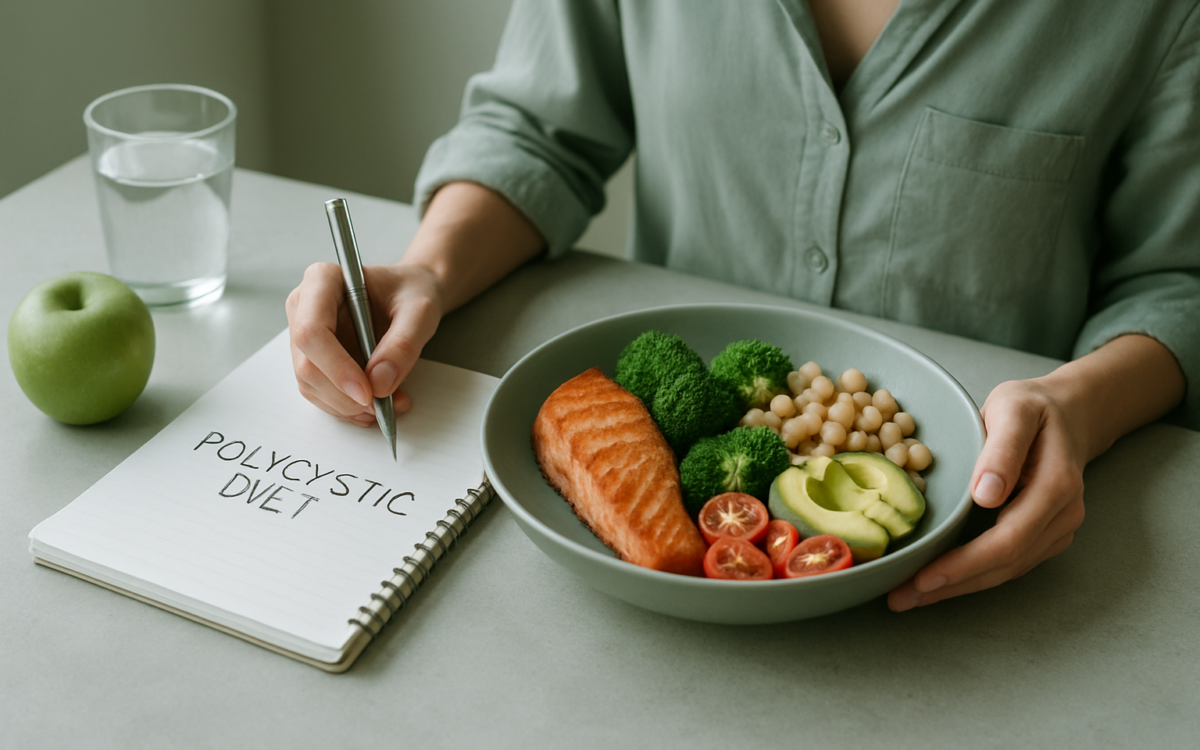
Polycystic ovary syndrome (PCOS) affects many women, leading to symptoms like irregular periods, weight gain, and mood changes. One effective way to manage these symptoms is through diet. Understanding how to adjust your eating habits to support your health can make a meaningful difference in your life. Let’s dive into the essentials of a polycystic diet.
Understanding PCOS and Its Connection to Diet
PCOS is a hormonal disorder that can lead to various health challenges, including insulin resistance. Insulin resistance means your body has a harder time using insulin effectively. This condition can contribute to weight gain and difficulty in managing blood sugar levels, making diet an essential factor in managing symptoms.
Key Elements of a Polycystic Diet
A polycystic diet focuses on foods that help regulate blood sugar levels and support hormonal balance. Here are some key components:
- Whole Grains: Incorporate whole grains such as brown rice, quinoa, and whole wheat bread. These foods have a lower glycemic index compared to refined grains, helping to stabilize blood sugar.
- Lean Proteins: Choose lean protein sources such as chicken, turkey, fish, beans, and legumes. Proteins can aid in maintaining satiety and improving muscle mass.
- Fruits and Vegetables: Aim for a variety of colorful fruits and vegetables on your plate. They provide essential vitamins, minerals, and antioxidants that boost overall health.
- Healthy Fats: Include sources of healthy fats such as avocados, nuts, seeds, and olive oil. These fats are beneficial for heart health and can help reduce inflammation.
- Dairy Alternatives: Some women with PCOS find that reducing dairy intake helps with symptoms. Consider dairy alternatives like almond or soy milk, which can also be fortified with nutrients.
Foods to Avoid
Just as important as knowing what to eat is knowing what to limit or avoid:
- Refined Carbohydrates: Foods like white bread, pastries, and sugary snacks can lead to blood sugar spikes.
- Processed Foods: Many processed foods contain unhealthy fats, sugars, and preservatives that can exacerbate symptoms.
- High-Sugar Beverages: Soft drinks, energy drinks, and high-sugar juices can contribute to insulin resistance.
The Role of Meal Timing
Meal timing can also be crucial in managing PCOS. Here are some tips to consider:
- Regular Meals: Eating regular meals and snacks can help maintain blood sugar levels and prevent excessive hunger.
- Balanced Meals: Aim for each meal to include a balance of carbohydrates, proteins, and healthy fats for optimal blood sugar control.
- Mindful Eating: Pay attention to hunger cues and try to eat slowly to improve digestion and satisfaction with meals.
International Perspectives on Polycystic Diets
As PCOS can affect women worldwide, nutritional strategies may differ based on cultural foods and eating habits. For instance, traditional Mediterranean diets emphasize whole grains, healthy fats, and ample fruits and vegetables, which align well with the needs of women with PCOS. If you’re looking for specialized care, you might want to consider seeking international treatment options. More information can be found at acibademinternational.com, which explores various approaches to managing PCOS across different cultures.
Supplements and Other Considerations
Some women with PCOS may consider supplements as a supportive part of their diet. Common options include:
- Inositol: Some studies suggest that inositol can improve insulin sensitivity and help with hormonal balance.
- Omega-3 Fatty Acids: These can help reduce inflammation and support overall health.
- Multivitamins: A daily multivitamin may help fill in nutritional gaps, especially when dietary restrictions are in place.
Always consult with your healthcare provider before starting any new supplements.
When to See a Doctor
If you suspect you have PCOS or are experiencing symptoms that concern you, it’s important to consult your doctor. They can provide a proper diagnosis and help develop a personalized management plan tailored to your needs.
Changes in your diet can significantly impact your health and well-being. A well-structured polycystic diet may not only alleviate symptoms but also enhance your quality of life. Remember, every individual reacts differently to dietary changes, so listening to your body and consulting with professionals is key to finding what works best for you.
