
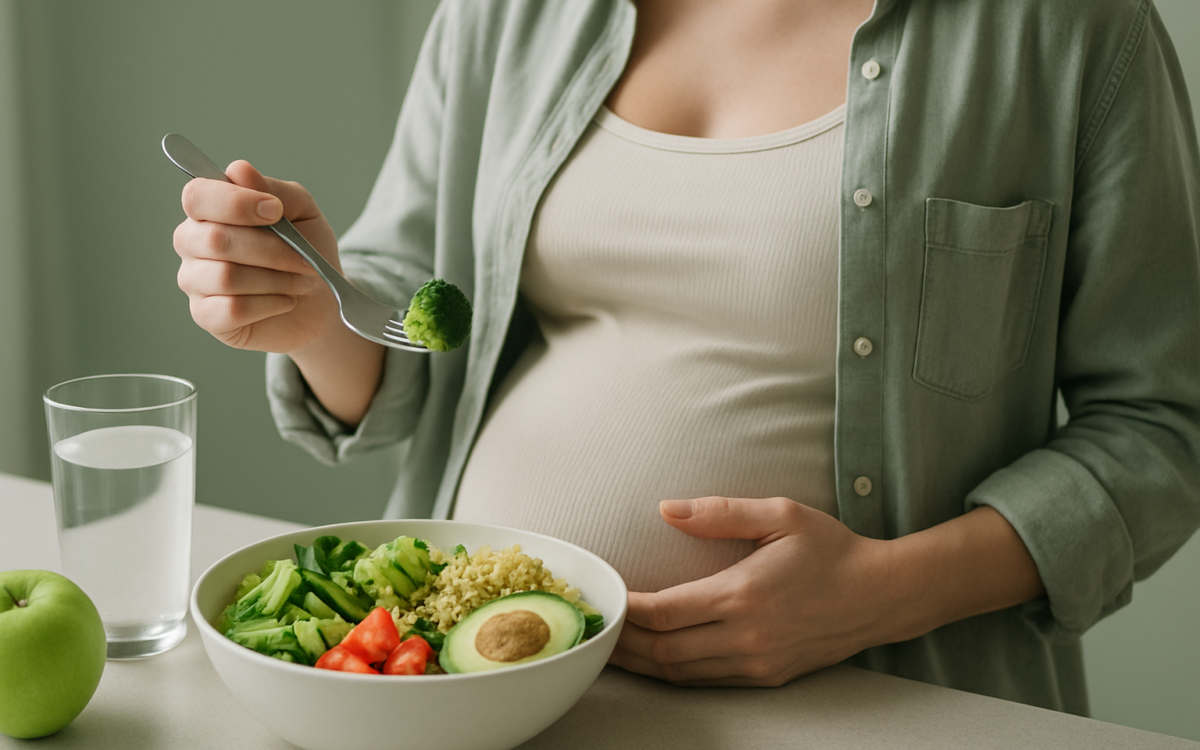
Pregnancy is a beautiful journey filled with excitement and anticipation, but it also comes with the responsibility of ensuring both the mother and the developing baby are healthy. One of the key elements in achieving this is a proper diet. Eating a balanced and nutritious diet during pregnancy is vital for the baby’s growth and helps manage the mother’s health as well. So, what does a proper diet for pregnant women look like? Let’s explore the essential components of a healthy pregnancy diet.
Understanding Nutritional Needs
During pregnancy, your body requires extra nutrients to support the rapid growth and development of your baby. Here are some crucial nutrients you need to focus on:
- Folic Acid: This B vitamin is critical in preventing neural tube defects. It is recommended that pregnant women consume 600 micrograms daily from food sources and supplements. Foods rich in folate include leafy greens, legumes, nuts, and fortified cereals.
- Iron: Your iron needs increase significantly during pregnancy to support the growing blood volume and supply oxygen to your baby. Aim for 27 milligrams per day, found in red meat, poultry, fish, lentils, and spinach.
- Calcium: Necessary for building the baby’s bones and teeth, pregnant women should consume about 1,000 mg of calcium daily. Great sources include dairy products, fortified plant milks, tofu, and leafy greens.
- Protein: Helps support the developing fetus and placental growth. Aim for 75 to 100 grams of protein each day, coming from sources like lean meats, poultry, eggs, beans, and nuts.
- Omega-3 Fatty Acids: Important for brain development, omega-3s can be found in fish (like salmon), flaxseeds, chia seeds, and walnuts.
Creating a Balanced Plate
Now that you know the essential nutrients, how do you incorporate them into your daily meals? A balanced plate during pregnancy should include a variety of food groups:
- Fruits and Vegetables: Aim to fill half your plate with a colorful assortment of fruits and vegetables. They are packed with vitamins, minerals, and fiber, important for digestion.
- Whole Grains: Choose whole grains like brown rice, quinoa, and whole wheat bread. These provide energy and fiber, promoting a healthy digestive system.
- Protein Sources: Include both animal and plant-based protein. Chicken, fish, beans, tofu, and legumes are excellent choices.
- Dairy or Alternatives: Choose low-fat dairy or dairy alternatives fortified with calcium and vitamin D for healthy bones.
This balance ensures that you’re not only nourishing your body but also providing necessary nutrients for your baby.
Staying Hydrated
Hydration is another essential aspect of a proper diet during pregnancy. Staying well-hydrated helps maintain amniotic fluid levels and supports increased blood volume. Here are some hydration tips:
- Water: Aim for at least 8-10 cups of water each day. Carry a water bottle with you to encourage regular intake.
- Avoid Sugary Drinks: Limit sodas and fruit juices that are high in sugar and calories.
- Herbal Teas: Some herbal teas can be soothing and hydrating. However, consult your doctor before consuming herbal products.
Foods to Limit or Avoid
While it’s crucial to focus on what you should eat, it’s equally important to know which foods to limit or avoid:
- Processed Foods: High in sugars, unhealthy fats, and preservatives, these can lead to unnecessary weight gain and other health issues.
- Caffeine: Moderate caffeine consumption is generally considered safe, but it’s best to limit your intake to under 200mg per day—about one 12-ounce cup of coffee.
- Alcohol: There is no safe known amount of alcohol during pregnancy. It’s advisable to abstain entirely to avoid potential harm to the baby.
- Raw or Undercooked Foods: Avoid raw fish, eggs, meat, and unpasteurized dairy products to reduce the risk of foodborne illnesses.
Listening to Your Body
Every pregnant woman’s experience is unique, and dietary needs can vary. It’s essential to listen to your body and respond to its hunger cues. You may find that your cravings change throughout pregnancy, and that’s perfectly normal. If you have specific dietary preferences, such as vegetarianism or food intolerances, consider discussing these with your healthcare provider. They can guide you in making sure you still receive the necessary nutrients.
When to See a Doctor
If you have concerns about your diet during pregnancy, or if you experience symptoms such as persistent nausea, extreme fatigue, or significant cravings that concern you, do not hesitate to consult your doctor. They can provide personalized advice tailored to your unique situation and help you navigate any dietary challenges you might face.
In conclusion, a proper diet during pregnancy is not only about nourishing yourself but also laying the groundwork for your baby’s health. By focusing on a balanced intake of essential nutrients, staying hydrated, and being mindful of the foods you consume, you can support both yourself and your little one throughout this exciting journey. For more guidance, trusted resources like the CDC and Mayo Clinic, offer valuable information for expecting mothers.
