
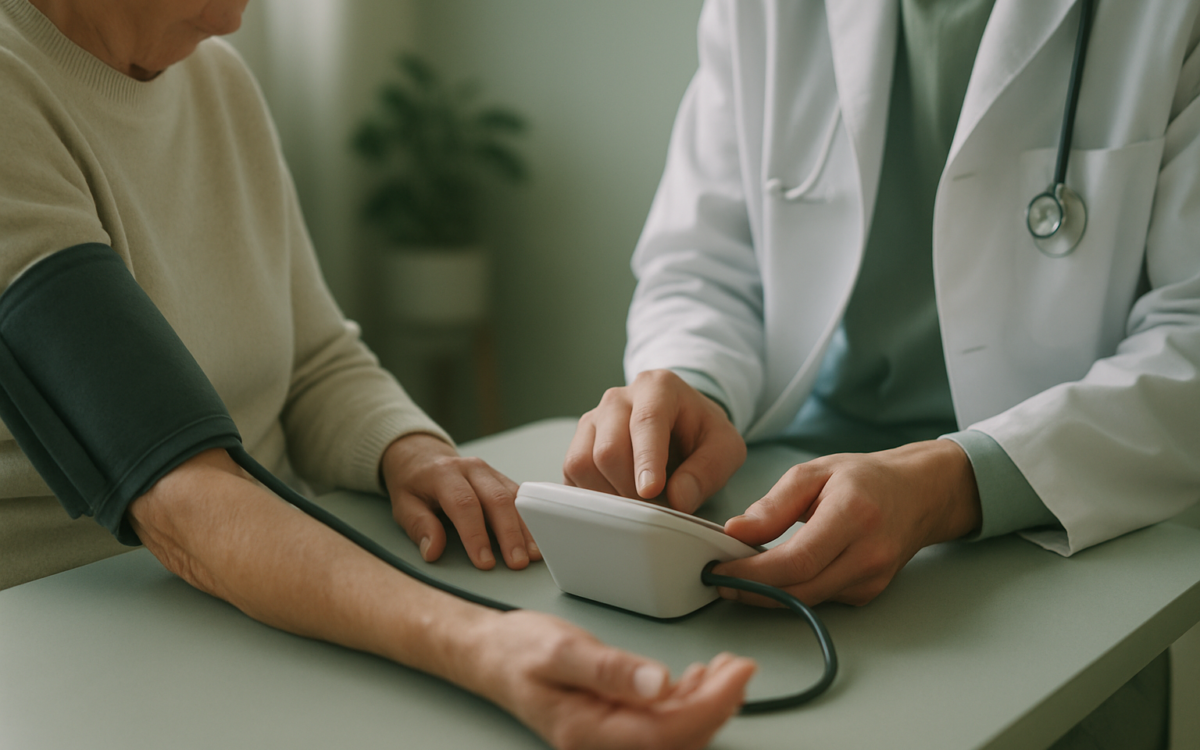
High blood pressure, also known as hypertension, is a common condition that can lead to serious health problems, including heart disease and stroke. It often goes unnoticed, which is why regular check-ups are crucial. If you’re grappling with this condition or simply want to know more about potential treatments, you’re in the right place.
Understanding High Blood Pressure
Blood pressure measurements have two numbers: systolic (the top number) and diastolic (the bottom number). Normal blood pressure is generally considered to be around 120/80 mm Hg. When blood pressure readings consistently hit 130/80 mm Hg or higher, this indicates hypertension.
High blood pressure can be categorized into two primary types:
- Primary Hypertension: This type develops gradually over many years and has no identifiable cause.
- Secondary Hypertension: This type can occur suddenly and is often a result of an underlying condition, such as kidney disease or hormonal disorders.
Lifestyle Changes: The First Line of Defense
Many individuals can manage high blood pressure effectively through lifestyle changes. Here are several suggested adjustments:
1. Maintain a Healthy Diet
A heart-healthy diet can have a significant impact on blood pressure. Consider these nutritional tips:
- Reduce Sodium Intake: Aim for less than 2,300 mg of sodium daily. If you already have high blood pressure, limiting it to 1,500 mg can be more beneficial.
- Embrace the DASH Diet: The Dietary Approaches to Stop Hypertension (DASH) diet emphasizes fruits, vegetables, whole grains, and lean proteins while reducing saturated fat and cholesterol.
- Limit Alcohol Consumption: Excessive drinking can raise blood pressure. Stick to moderate drinking guidelines: up to one drink per day for women and two for men.
2. Engage in Regular Physical Activity
Physical activity helps lower blood pressure and maintain a healthy weight. Aim for at least 150 minutes of moderate aerobic exercise a week, such as:
- Brisk walking
- Swimming
- Biking
3. Maintain a Healthy Weight
If you’re overweight, shedding even a small amount of weight can significantly impact your blood pressure. A combination of dietary changes and physical activity plays a crucial role in weight management.
Medications for High Blood Pressure
When lifestyle changes aren’t enough to control blood pressure, healthcare providers may recommend medications. Here are some common classes of antihypertensive drugs:
1. Diuretics
Diuretics, often referred to as water pills, help your body eliminate excess sodium and water, which can reduce blood volume and lower blood pressure.
2. ACE Inhibitors
Angiotensin-converting enzyme (ACE) inhibitors help relax blood vessels by blocking the formation of a hormone that causes them to constrict.
3. Beta-Blockers
These medications decrease the heart rate and the heart’s workload. They also help in reducing the amount of blood pumped through the body.
4. Calcium Channel Blockers
These drugs prevent calcium from entering the cells of the heart and blood vessels, leading to lower blood pressure.
Monitoring and Managing Your Blood Pressure
Regular monitoring of your blood pressure is essential to identify whether your treatment plan is effective. You can either:
- Check blood pressure at home using a blood pressure cuff.
- Visit a healthcare professional for regular check-ups.
Natural Remedies and Alternative Approaches
While lifestyle modifications and medications are often the mainstays of treatment, some individuals may explore natural remedies. These can complement traditional treatments but should be approached cautiously:
- Herbal Supplements: Some studies suggest that garlic extract, omega-3 fatty acids, and hibiscus tea may have beneficial effects on blood pressure. However, always consult with a healthcare provider before starting any supplement.
- Stress Reduction Techniques: Practices such as yoga, meditation, and deep breathing can help manage stress levels, which may contribute to high blood pressure.
When to See a Doctor
If you’ve been diagnosed with high blood pressure or suspect you might have it, consulting a healthcare provider is critical. Seek medical advice if you experience any of the following:
- Severe headaches
- Fatigue or confusion
- Vision problems
- Chest pain
- Difficulty breathing
Conclusion
Managing high blood pressure is a journey that often begins with lifestyle changes and may require medications down the line. Staying informed and actively participating in your health will empower you to keep your blood pressure within a healthy range. Always consult your healthcare provider if you have questions or need assistance in managing your blood pressure. Remember that you are not alone in this journey, and there are many resources available to help.
