
Stress is an inevitable part of life, but how we react to it makes all the difference. Whether stemming from work, family, or other responsibilities, stress can snowball if not managed effectively. Luckily, there are numerous strategies to help you cope and improve your well-being.
Understanding Stress
Before diving into management techniques, it’s crucial to understand what stress is. Stress is your body’s response to challenging situations, whether they’ll be physical, emotional, or environmental. When you face a stressor, your body produces hormones like adrenaline and cortisol, initiating the ‘fight or flight’ response. While this reaction can help you respond to immediate threats, constant stress can be damaging to your health. Long-term exposure to stress can lead to anxiety, depression, heart disease, and other serious health conditions (NIH).
Identifying Your Stressors
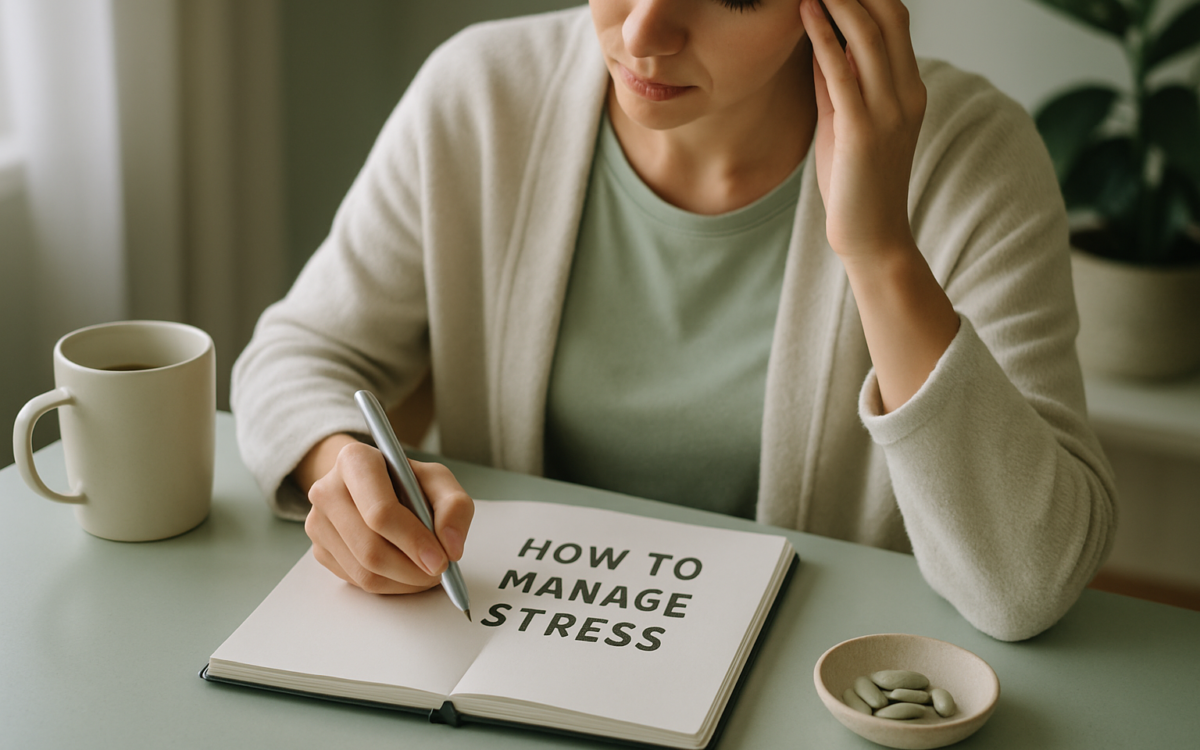
The first step in managing stress is identifying what causes it. Consider keeping a stress journal. Writing down stressful events can provide insights into patterns or specific situations that trigger your feelings. Here are common stressors:
- Work pressures or job insecurity
- Changes in relationships or family dynamics
- Financial challenges
- Health concerns
- External pressures, such as societal expectations
Once you identify your stressors, you can start planning how to address them.
Mindfulness and Relaxation Techniques
Mindfulness practices can help ground you and reduce stress. Consider these techniques:
1. Deep Breathing
Deep breathing exercises can promote relaxation by slowing your heart rate and lowering blood pressure. Try this simple five-step process:
- Find a comfortable position, either sitting or lying down.
- Place one hand on your belly and the other on your chest.
- Inhale deeply through your nose, allowing your belly to rise.
- Hold your breath for a count of four.
- Slowly exhale through your mouth. Repeat this process for five to ten minutes.
2. Progressive Muscle Relaxation
Progressive muscle relaxation involves tensing and then relaxing each muscle group in the body. This technique can help reduce physical tension associated with stress. Start at your toes, tense each muscle group for a few seconds, and then release. Work your way up to your head.
3. Mindfulness Meditation
A few minutes of mindfulness meditation can help you stay present and combat racing thoughts. Find a quiet space, sit comfortably, and focus on your breath or a calming phrase. If your mind wanders, gently bring your focus back to your breath.
Physical Activity: A Stress Reliever
Exercise isn’t just about improving physical health; it’s also an excellent way to manage stress. Physical activity releases endorphins, chemicals in your brain that act as natural painkillers and mood elevators. Here are some simple ways to incorporate movement into your daily routine:
- Take brisk walks during breaks or after work.
- Join a local sports team or group exercise class.
- Practice yoga or tai chi to combine movement with mindfulness.
Even just 30 minutes of moderate exercise on most days can help reduce stress levels, leading to better overall physical and mental health (Mayo Clinic).
Healthy Lifestyle Choices
Your everyday choices can significantly impact your ability to manage stress. Here are a few tips:
1. Balanced Diet
A healthy diet plays a crucial role in your mood and energy levels. Aim for a balanced intake of fruits, vegetables, whole grains, and lean proteins. Avoid excessive caffeine and sugar, which can lead to energy crashes and add to your stress.
2. Sleep Hygiene
Quality sleep is essential for stress management. Establish a sleep routine—go to bed and wake up at the same time each day. Create a calming bedtime environment by keeping your room dark, cool, and quiet.
3. Social Connections
Building and maintaining social networks can provide emotional support. Connect with friends, family, or support groups. Sharing your thoughts and feelings can help lighten your emotional load.
When to See a Doctor
If your stress is overwhelming and you find it difficult to cope, it may be time to consult a healthcare professional. Signs that you should seek help include:
- Persistent feelings of sadness or anxiety
- Changes in appetite or sleep patterns
- Increased use of alcohol or drugs
- Thoughts of harming yourself or others
Healthcare providers can offer guidance, support, and possible medical interventions to help you manage stress more effectively (WHO).
Conclusion
Managing stress is a vital skill that takes practice and commitment. By identifying your stressors and implementing strategies—such as mindfulness, exercise, and healthy living—you can improve your resilience. Remember, it’s okay to seek help if you feel overwhelmed. Ultimately, taking small, consistent steps can lead to significant changes in your overall well-being.
