
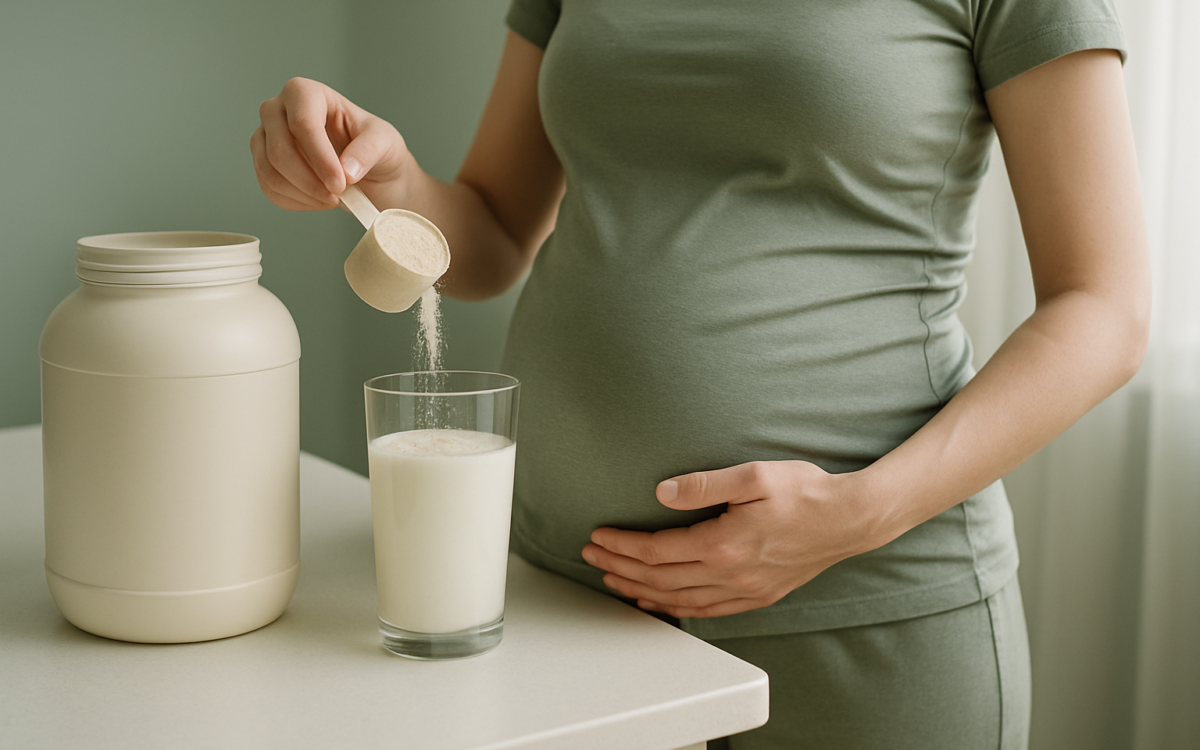
Pregnancy is a time of incredible change, not just in a woman’s body but also in her nutritional needs. Many expectant mothers are keenly aware of the significance of a balanced diet, and for some, protein supplements become part of their routine. But with so much information available, it can be challenging to navigate the world of protein supplements during pregnancy. This article aims to clarify what you need to know about protein, the role of supplements, and how to approach them safely.
Understanding Protein Needs During Pregnancy
Protein is essential for growth and development, especially during pregnancy. The body uses protein to build tissues, including the growing fetus, placenta, and maternal tissues. According to the National Institutes of Health, pregnant women need about 70 grams of protein per day, which is an increase of approximately 25 grams compared to non-pregnant women.
Sources of Protein
Whole foods should be the primary source of protein in a pregnant woman’s diet. Here are some excellent natural sources:
- Meat and Poultry: Chicken, turkey, and lean beef are rich in protein.
- Fish: Fatty fish like salmon provide protein and omega-3 fatty acids, which are crucial for the baby’s brain development.
- Dairy: Milk, cheese, and yogurt not only contain protein but also calcium and vitamin D.
- Legumes: Beans, lentils, and chickpeas are plant-based proteins packed with fiber and essential nutrients.
- Nuts and Seeds: Almonds, peanuts, and chia seeds offer protein along with healthy fats.
Incorporating a variety of these protein sources into your daily meals is a great way to meet your nutritional needs.
When to Consider Protein Supplements
While whole foods should make up the bulk of protein intake, some situations might warrant considering protein supplements. These could include:
- Vegetarian or Vegan Diets: Women who follow strict plant-based diets may find it challenging to meet their protein needs without supplements.
- Severe Nausea: Morning sickness can make it difficult to eat a balanced meal, leading to potential protein deficiencies.
- High Activity Levels: Pregnant women who are highly active or are carrying multiples may require more protein to support their needs.
If you identify with any of these situations, it might be worth discussing protein supplements with your healthcare provider.
Types of Protein Supplements
There are various types of protein supplements available, each with unique characteristics. Common options include:
- Whey Protein: Derived from milk, whey is a complete protein that contains all essential amino acids. It’s quickly absorbed, making it a popular choice.
- Casein Protein: Also a milk-derived product, casein digests more slowly, providing a steady release of amino acids.
- Plant-Based Proteins: Options like pea, hemp, or brown rice protein are suitable for those avoiding animal products. They can be less complete proteins but can be combined for a complete amino acid profile.
- Protein Bars and Powders: Many protein bars and powders are specifically designed for pregnant women and may include added nutrients like folic acid and iron.
Always choose high-quality supplements from reputable brands and check labels to avoid excess sugars or fillers.
Safety Considerations
While protein is vital during pregnancy, safety is paramount when considering supplements. Here are some tips:
- Consult Your Healthcare Provider: Always talk to your doctor before starting any supplements. They can guide you based on your individual health and dietary needs.
- Watch for Allergens: If you have a history of food allergies, check for potential allergens in the protein supplements you choose.
- Avoid Excessive Intake: More protein is not always better. Stick to recommended amounts, as high protein diets can strain the kidneys and may lead to health issues.
- Check for Additives: Some protein supplements contain added ingredients that may not be suitable during pregnancy. Always choose products with minimal additives.
Staying informed and proactive about your nutrition can help ensure a healthy pregnancy experience.
When to See a Doctor
If you are concerned about your protein intake or nutritional needs during pregnancy, do not hesitate to contact your healthcare provider. Watch for signs of protein deficiency, such as extreme fatigue, reduced appetite, or muscle weakness. Always inform your doctor about any supplements you are considering, as they can help evaluate their necessity and safety.
Pregnancy is a unique and joyful time that requires attention to your health and nutrition. Protein supplements can be beneficial in specific circumstances, but they should not replace a balanced diet rich in whole foods. Always approach supplementation with care and guidance from your healthcare professional.
