
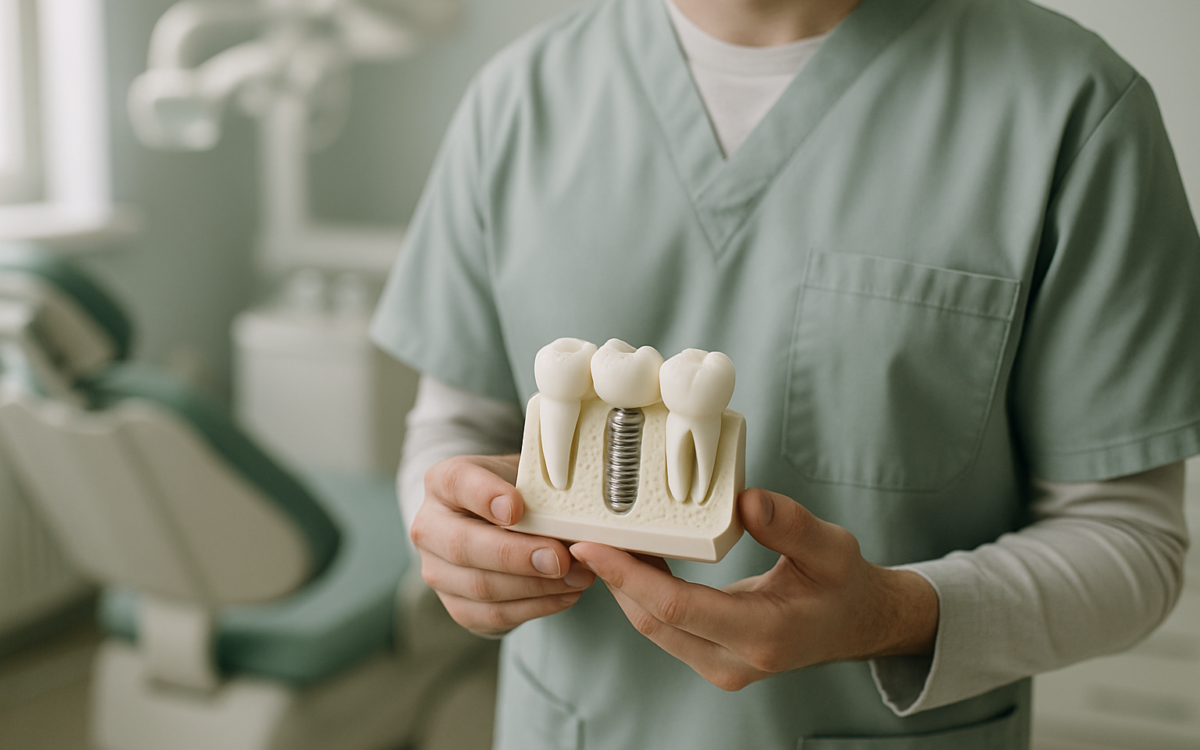
When you’re facing tooth loss, dental implants can be an excellent solution. They offer a permanent way to replace missing teeth while restoring function and appearance. However, the success of this procedure greatly depends on the expertise of the dental implants specialist you choose. But how do you find the right one? Let’s explore important factors to consider in your search.
Understanding Dental Implants
Before diving into how to find a specialist, it’s important to understand what dental implants are. A dental implant is a small titanium post that is surgically placed into the jawbone to serve as a replacement root for a missing tooth. This post integrates with the bone over time, creating a strong foundation for crowns, bridges, or dentures. To find the right specialist, it’s helpful to know the advantages and potential challenges involved in dental implant procedures.
Research Their Credentials
When looking for a dental implants specialist, start by researching their credentials. Ensure they are a licensed dentist and ask if they have additional training in implant dentistry. Many specialists are trained in periodontics or oral surgery, making them particularly qualified for this type of work. You can find valuable information from the American Academy of Implant Dentistry (AAID) and other reputable organizations to verify their credentials.
Experience Matters
Experience can significantly impact the success of your implant surgery. Ask about how many procedures the specialist has performed and their success rates. It may also be helpful to inquire about complications and how they were handled in previous cases. A skilled specialist will also share before and after photos of previous patients, allowing you to gauge their work.
Consultation Expectations
Once you’ve narrowed down your options, schedule consultations with potential specialists. During this meeting, pay attention not only to their knowledge and expertise but also how they communicate. A good specialist should be willing to explain the procedure, answer your questions, and discuss risks and benefits clearly.
Technology and Techniques
The field of dental implants is continually evolving, with new technologies and techniques emerging. Ask about the technology the specialist uses, including imaging systems like 3D X-rays that provide detailed views of your jawbone and help in planning the procedure. Advanced techniques, such as guided implant surgery, can lead to greater precision and effectiveness during the procedure.
Patient Reviews and Testimonials
Reading patient reviews can provide insight into how a dental implants specialist conducts their practice. Websites like Healthgrades and Vitals allow patients to share their experiences. Look for patterns in these reviews—do patients feel respected? How do they describe their recovery? Going through testimonials can help you gauge the quality of care you can expect.
Costs and Payment Options
Dental implants can be a significant investment. Before making a final decision, discuss treatment costs and what is included in the pricing. Inquire whether the practice accepts insurance or offers financing options to make the procedure more affordable. A transparent discussion about costs can help avoid any surprises later.
When to See a Doctor
If you’re experiencing tooth loss or are dissatisfied with your current dental solutions, consider consulting a dental implants specialist. They can provide guidance tailored to your specific needs and help you explore suitable options. Additionally, if you have underlying health conditions, such as diabetes or osteoporosis, it’s crucial to discuss these with your doctor before proceeding with implants.
Choosing the right dental implants specialist is a crucial step toward restoring your smile and confidence. Take the time to do your research and find a qualified practitioner who makes you feel comfortable and informed.
For additional insights on oral health and dental procedures, consider visiting resources like the National Institutes of Health or the Mayo Clinic.
