
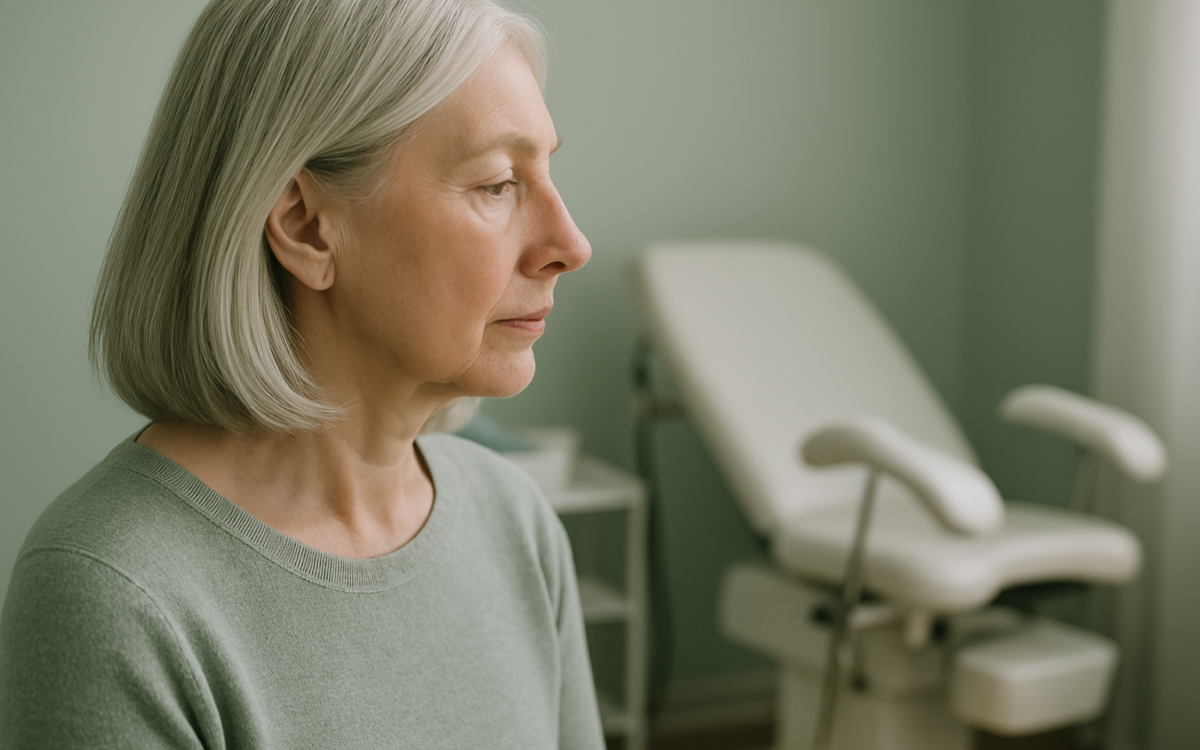
Menopause is a natural phase of life that every woman experiences, typically occurring in their late 40s to early 50s. While the start of menopause can bring a range of changes, many women wonder, “When does menopause finish?” Understanding the end of menopause and the transitions that occur can help demystify this important stage of life. Let’s explore how menopause progresses, what happens in the postmenopausal phase, and when to reach out to your doctor for support.
Understanding Menopause Phases
Menopause is not a single event but a series of changes that occur over time. The process is generally divided into three significant phases:
- Perimenopause: This is the transitional phase leading up to menopause. It can last anywhere from a few months to several years. During this time, hormonal fluctuations can lead to irregular periods, hot flashes, mood swings, and other symptoms.
- Menopause: A woman is considered to be in menopause when she has not had a menstrual period for twelve consecutive months. The average age for menopause is around 51, but it can vary widely.
- Postmenopause: This phase begins after the one-year mark without a period. Hormonal levels stabilize, but women may still experience some symptoms related to hormone changes.
When Does Menopause Finish?
The question of when menopause finishes can be nuanced. Officially, a woman is in postmenopause after 12 months without menstruating. However, the physical and emotional changes associated with menopause can continue into the postmenopausal years. It’s crucial to understand what “finishing menopause” means regarding your symptoms and health.
Symptoms That May Persist
Even after reaching postmenopause, some women may continue to experience symptoms such as:
- Hot Flashes: These sudden feelings of warmth can occur beyond the official menopausal stage for some women, sometimes lasting for several years.
- Vaginal Dryness: Reduced estrogen levels can lead to dryness, which may affect sexual health and comfort.
- Mood Changes: Emotional fluctuations, anxiety, or depression can linger as the body adapts to lower hormone levels.
Ongoing symptoms can be addressed with lifestyle changes or through discussions with healthcare providers about treatment options.
Health Considerations in Postmenopause
Once in postmenopause, women should pay attention to their overall health. The reduction in estrogen levels can impact various aspects of health, including:
- Bone Health: Lower estrogen has been linked to a decrease in bone density, increasing the risk of osteoporosis. Regular weight-bearing exercises and a diet rich in calcium and vitamin D are essential for maintaining bone strength.
- Heart Health: Menopause can alter cholesterol levels, increasing the risk of heart disease. It’s crucial to keep an eye on heart health by managing blood pressure, cholesterol, and engaging in regular physical activity.
- Mental Well-being: Emotional health can continue to fluctuate during this transition. Stress management techniques, along with conversation therapy or counseling, can help support mental well-being.
Lifespan of Symptoms and What to Expect
The duration and intensity of menopause symptoms can vary significantly among women. Research indicates that:
- About 75% of women experience hot flashes, which can last from a few months to several years.
- Some women may notice that their symptoms diminish considerably within a couple of years post-menopause, while others might continue to experience discomfort longer.
- Postmenopausal symptoms, like vaginal dryness, may become more pronounced as women age due to further hormonal changes.
Understanding these patterns can help women prepare for what is to come, making their experience smoother.
When to See a Doctor
While menopause is a natural transition, it’s essential to consult a healthcare provider under certain circumstances. You should reach out if you:
- Experience extreme discomfort that hampers daily life.
- Notice significant mood swings or depression.
- Sustain any bleeding after a year without a period.
Your doctor can help address these issues and discuss options to ease symptoms.
Conclusion
Menopause can feel daunting, but knowing what to expect can help ease the transition. By understanding the phases of menopause and what occurs in postmenopause, women can be better prepared for this significant life change. Remember, support is available, and open communication with your healthcare provider is key to navigating this journey successfully. Embrace this new chapter with confidence and a proactive approach to health.
