
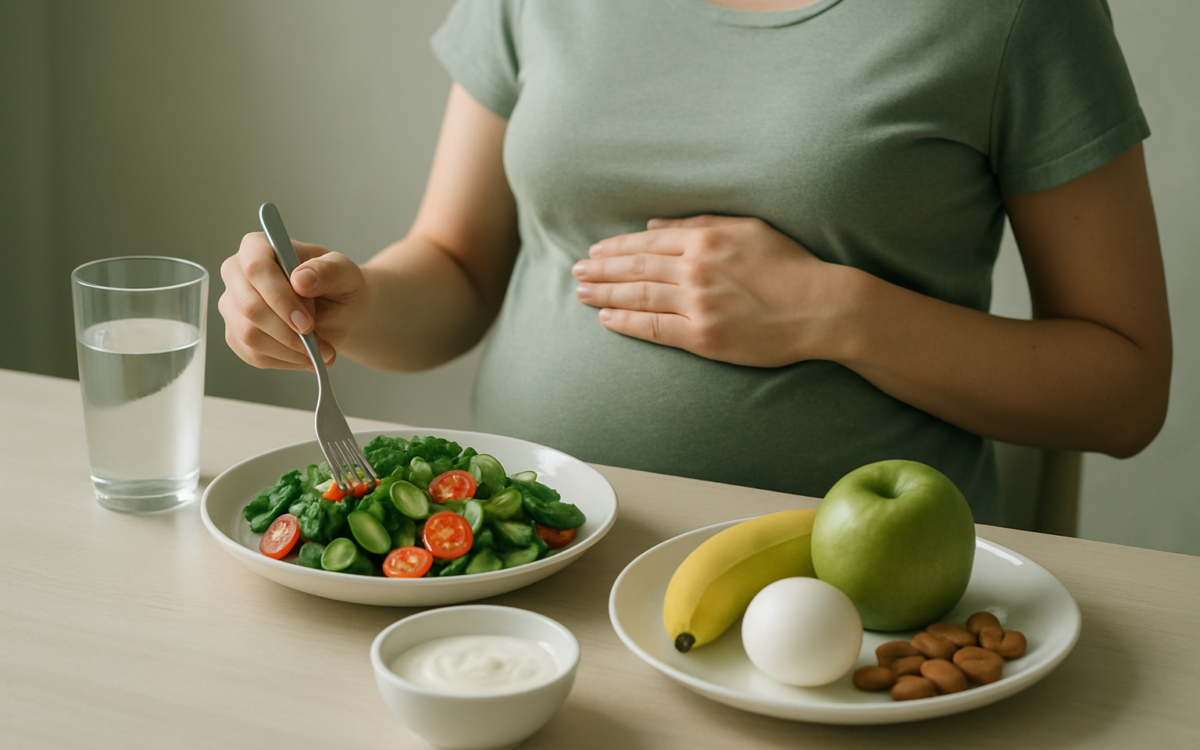
Pregnancy is a remarkable journey filled with excitement and change. As your body adapts to support new life, it’s essential to focus on a diet that promotes both your health and your baby’s development. This article breaks down the essentials of the healthiest pregnancy diet, guiding you through the dietary choices that can make a real difference during this special time.
Understanding Nutritional Needs During Pregnancy
Pregnancy brings unique nutritional requirements. Your body needs more key nutrients for the baby’s growth and your well-being. Increased intake of calories is necessary, but it’s equally important to make sure those calories come from nutritious sources.(NIH) For many women, this translates to a balanced intake of proteins, fats, vitamins, and minerals.
The Building Blocks of a Healthy Diet
Your pregnancy diet should focus on a variety of food groups to ensure you receive a well-rounded mix of nutrients.
1. Proteins
Proteins are the building blocks of cells and are crucial for your baby’s growth. Include lean meats, poultry, fish, eggs, beans, and legumes in your daily diet. These foods not only provide necessary amino acids but also supply iron, which is vital for blood production.
2. Healthy Fats
Don’t shy away from fats; instead, choose healthy sources. Avocados, nuts, seeds, and olive oil are excellent options. These fats are essential for brain development and help your body absorb fat-soluble vitamins.
3. Whole Grains
Whole grains are an excellent source of energy and should form the basis of your carbohydrate intake. Foods like brown rice, quinoa, oatmeal, and whole-grain bread provide fiber, which is essential for digestive health and can help prevent constipation—common during pregnancy.
4. Fruits and Vegetables
Fruits and vegetables are packed with vitamins, minerals, and antioxidants. Aim to include a rainbow of options in your diet to ensure you’re getting various nutrients. Dark leafy greens, berries, and citrus fruits are particularly beneficial.
5. Dairy and Alternatives
Dairy products are valuable sources of calcium, which is important for the development of your baby’s bones and teeth. If you are lactose intolerant, consider fortified plant-based milk or fortified tofu to meet your calcium needs.
Key Vitamins and Minerals to Include
While general nutrition is vital, certain vitamins and minerals are especially important during pregnancy. Here’s a closer look:
- Folic Acid: Folic acid helps prevent neural tube defects and is crucial during the early stages of pregnancy. Aim for 600 micrograms per day, found in leafy greens, beans, and fortified cereals.
- Iron: Iron supports increased blood volume. Include iron-rich foods, such as red meat, beans, and fortified cereals, and pair them with vitamin C-rich foods for better absorption.
- Calcium: Essential for bone health, pregnant women should aim for 1,000 mg of calcium daily. Dairy or fortified alternatives can help meet this requirement.
- DHA: This omega-3 fatty acid is crucial for the baby’s brain development. Fatty fish like salmon, walnuts, and flaxseeds are great sources.
Foods and Substances to Avoid
While it’s important to focus on what to eat, being aware of foods to avoid can also contribute to a healthier pregnancy experience.
- Raw or Undercooked Seafood and Meats: These can carry harmful bacteria or parasites.
- Caffeine: Limit caffeine intake as it can be associated with low birth weight and might affect fetal development.
- Alcohol: Avoid alcohol completely, as it can lead to developmental issues.
- Processed Foods: Try to minimize processed foods high in sugars and unhealthy fats; these provide little nutritional value.
Staying Hydrated
Hydration is another crucial aspect of a healthy pregnancy diet. Water helps in nutrient transportation, supports digestion, and promotes overall well-being. Aim to drink plenty of fluids throughout the day. Consider natural beverages like herbal teas or fresh fruit juices without added sugars, but water should be your primary beverage.
Meal Planning and Snacking Tips
Planning meals can ensure you get the nutrients you need and help avoid unhealthy choices. Here are some helpful tips:
- Prepare in Advance: Cook and store meals ahead of time to make it easier to access healthy options during busy days.
- Snack Smart: Choose snacks that combine proteins and carbohydrates, like apple slices with peanut butter or yogurt with fruit.
- Listen to Your Body: Pregnancy cravings can point to specific nutrient needs—embrace healthy options when they arise.
When to See a Doctor
If you have concerns about your diet or nutrition during pregnancy, it’s important to consult your healthcare provider. They can guide you based on your individual needs and make personalized recommendations.
Conclusion
Embracing the healthiest pregnancy diet involves nourishing your body and your growing baby with a rich variety of foods. By focusing on whole, nutrient-dense ingredients and staying hydrated, you can help support a healthy pregnancy. Remember, every pregnancy is unique, so always consult with your healthcare provider, especially when making significant changes to your diet.
