
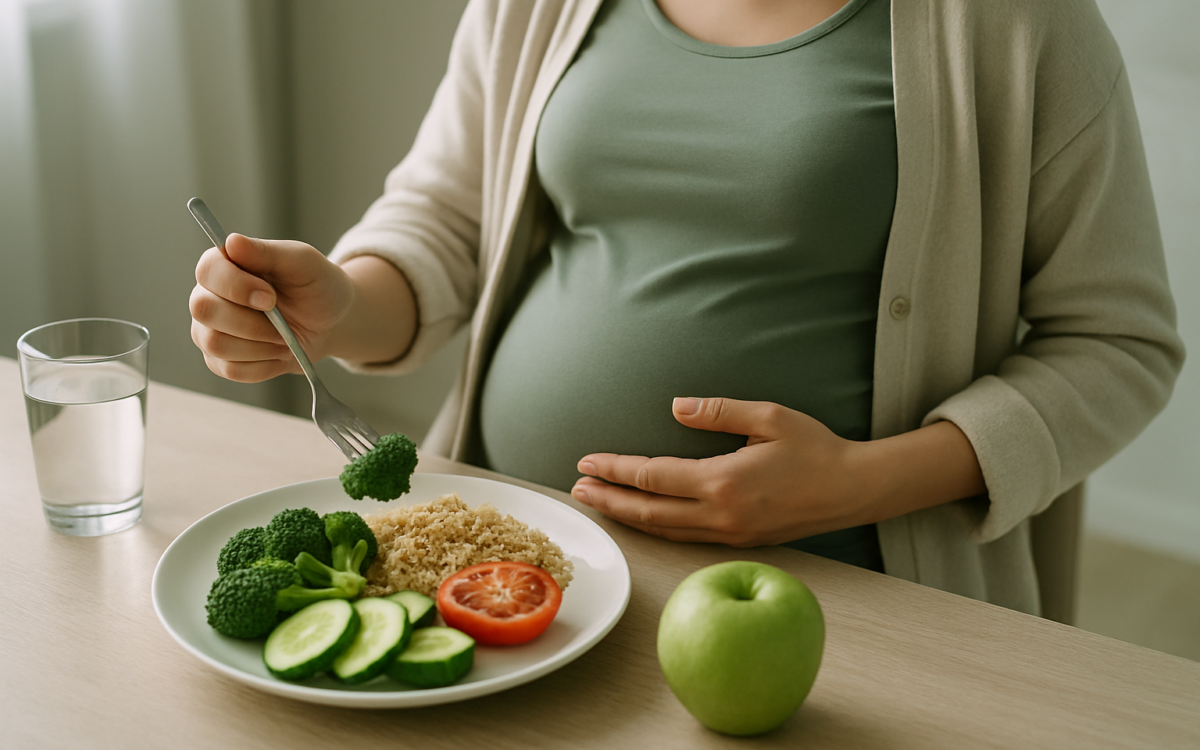
Pregnancy is an exciting journey, filled with anticipation and joy. It’s also a time when your body goes through incredible changes. What you eat plays a crucial role in not only your health but also the health of your growing baby. A healthy diet while pregnant can help ensure that both you and your baby get the right nutrients needed for optimum growth and development.
Understanding Nutritional Needs
During pregnancy, your nutritional needs change. You need extra calories, but it’s important to focus on the quality of those calories rather than just the quantity. It’s generally recommended that expectant mothers gain between 25-35 pounds, depending on their starting weight. Here’s a breakdown of essential nutrients you’ll need:
- Folic Acid: Critical for preventing neural tube defects, this B-vitamin is especially important in the first trimester. Foods rich in folate include leafy greens, beans, and fortified cereals.
- Iron: To support increased blood volume and prevent anemia, iron is crucial during pregnancy. Lean meats, leafy vegetables, and fortified grains can help meet your iron needs.
- Calcium: Your baby’s bones and teeth need calcium, which can be found in dairy products, almonds, and green leafy vegetables.
- Protein: Vital for fetal growth, protein sources include legumes, fish, poultry, eggs, and nuts.
Building a Balanced Plate
Creating a balanced plate is key to meeting your nutritional requirements. Aim for a variety of foods from different food groups:
Fruits and Vegetables
Fill half your plate with fruits and vegetables. These foods are rich in vitamins, minerals, and fiber. Try to include a rainbow of colors to get a wide range of nutrients.
Whole Grains
Choose whole grains over refined grains. Whole grains, such as brown rice, whole wheat bread, and oats, provide more nutrients and fiber, which can help with digestion.
Lean Proteins
Opt for lean sources of protein. Skinless poultry, fish, eggs, and plant-based proteins like beans and lentils are excellent choices that support both your health and your baby’s development.
Dairy or Alternatives
Dairy products are a great source of calcium and protein. If you’re lactose intolerant or choose not to consume dairy, look for fortified plant-based alternatives.
Healthy Fats
Incorporate healthy fats into your diet. Foods like avocados, nuts, seeds, and fatty fish can provide essential fatty acids that are important for brain development.
Hydration Matters
Staying hydrated is just as important as eating a nutritious diet. Aim to drink plenty of water throughout the day. Proper hydration supports digestion, regulates body temperature, and helps transport nutrients. You can also include other hydrating options, such as herbal teas and broth-based soups, but be cautious with excessive caffeine and sugary drinks.
Special Considerations and International Perspectives
Cultural dietary norms can vary widely around the world. In some cultures, traditional nutritional practices emphasize fermented foods, specific grains, or local fruits and vegetables that may be particularly beneficial for pregnant women. For instance, countries might have unique superfoods that offer additional health benefits during pregnancy.
If you’re considering international treatment options or practices during your pregnancy, facilities like Acibadem International offer various resources and expertise. Researching local practices or consulting healthcare providers knowledgeable in international prenatal care can broaden your dietary insights.
When to See a Doctor
During pregnancy, it’s essential to maintain regular check-ups with your healthcare provider. If you have concerns about your diet, experience significant weight changes, or have dietary restrictions due to medical conditions, consult your doctor for personalized advice. Always consult your healthcare provider before making any significant changes to your diet or if you have specific nutritional concerns.
Conclusion
A healthy diet while pregnant lays the foundation for a healthier pregnancy and baby. By focusing on balanced meals rich in essential nutrients, staying hydrated, and engaging with your healthcare provider, you’re setting the stage for a positive pregnancy experience. Make eating well a priority, and enjoy this unique time with the best nutrition you can provide for yourself and your little one.
