
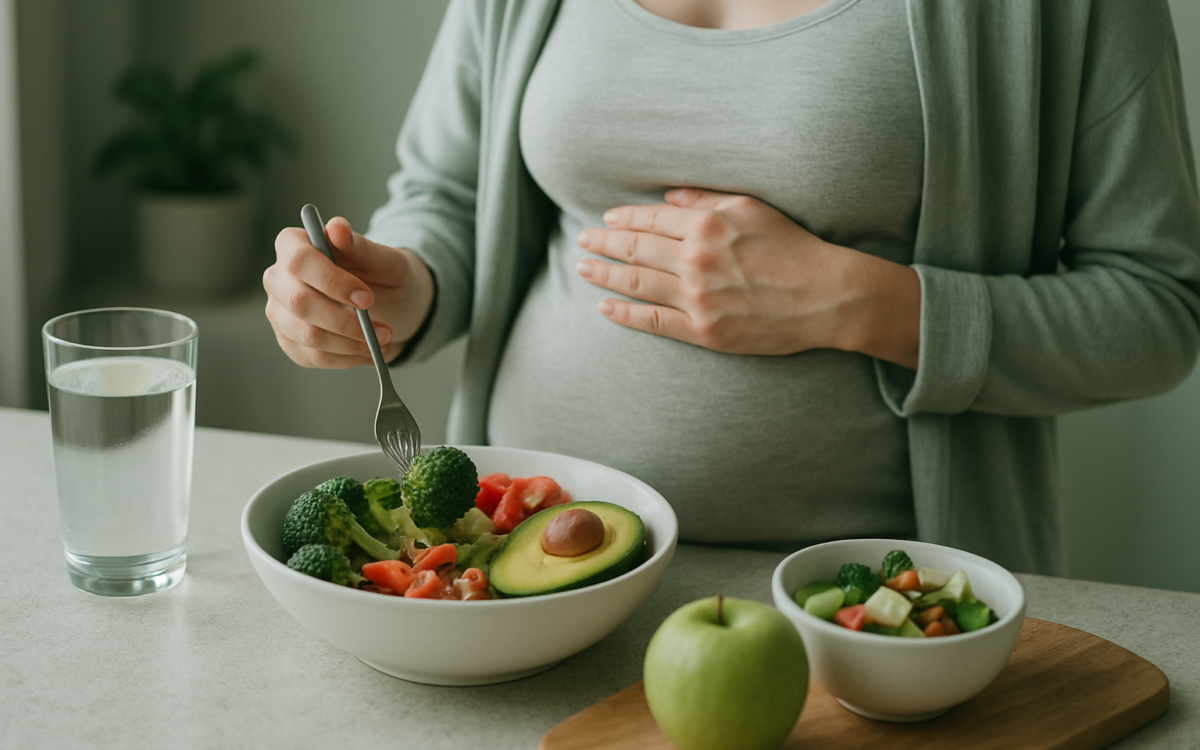
Pregnancy is an extraordinary time in a woman’s life, filled with excitement and many changes. One of the most crucial aspects of preparing for a new arrival is ensuring that you maintain a healthy diet. Eating well during this period not only supports the growth and development of your baby but also helps you feel better and cope with the changes happening in your body. Let’s explore the components of a healthy diet for pregnant women, essential nutrients to consider, and tips to create a balanced meal plan.
Understanding Nutrition Basics
Nutrition is more than just eating a variety of foods; it’s about giving your body the right tools to thrive during a time of growth. A healthy diet for pregnant women focuses on balance, variety, and moderation. It should incorporate:
- Fruits and vegetables
- Whole grains
- Lean proteins
- Dairy or dairy alternatives
These food groups will provide the essential vitamins and minerals your body needs to support both you and your developing baby.
Essential Nutrients for Pregnancy
During pregnancy, your body requires additional nutrients to maintain health and support your growing baby. Here are the most critical nutrients to include in your diet:
Folic Acid
Folic acid is vital for preventing neural tube defects in your baby. It’s recommended that pregnant women consume at least 600 micrograms per day. You can find folic acid in leafy green vegetables, legumes, nuts, and fortified cereals.
Iron
Iron is essential for creating red blood cells and preventing anemia. During pregnancy, your daily iron requirement increases to about 27 mg. Good sources of iron include lean meats, spinach, beans, and fortified cereals. Pairing iron-rich foods with vitamin C can enhance absorption.
Calcium
Calcium is crucial for building your baby’s bones and teeth. Pregnant women should aim for around 1,000 mg of calcium each day. Dairy products, leafy greens, and fortified plant-based milk are excellent sources.
DHA (Omega-3 Fatty Acids)
DHA is an important type of omega-3 fatty acid that supports the development of your baby’s brain and eyes. Aim for at least 200 mg of DHA per day, which can be obtained from fatty fish (like salmon), flaxseeds, or algae-based supplements.
Creating Balanced Meals
To ensure you’re getting these essential nutrients, aim to develop balanced meals. Here are some practical tips:
- Plan your meals: Create a weekly meal plan to include a variety of food groups.
- Portion control: Understand what constitutes a healthy portion size. It’s important to avoid overeating.
- Healthy snacks: Keep healthy snacks like yogurt, nuts, or fresh fruit on hand to satisfy cravings and maintain energy levels.
- Hydration: Drink plenty of water, as staying hydrated is essential for your overall health.
Adopting a Global Perspective on Nutrition
The principles of a healthy diet can extend across cultures. In some countries, the emphasis is placed on dishes rich in colorful vegetables and grains. For pregnant women considering international treatment options or dietary advice, exploring diverse culinary traditions may offer innovative ways to incorporate essential nutrients. For instance, treatment in Turkey includes a focus on various grains, rich legumes, and fresh herbs that can significantly contribute to a nutritious diet. Local dishes can be a fantastic way to include a variety of nutrients.
Foods to Avoid
While it’s essential to focus on what to eat, it’s equally important to know which foods to avoid during pregnancy to protect your health and your baby’s development. Here are some common ones:
- Raw or undercooked seafood, meat, and eggs: These can carry harmful bacteria or parasites.
- Deli meats and unpasteurized dairy products: These can pose risks for foodborne illnesses.
- Caffeine: High caffeine intake can be linked to miscarriage or low birth weight, so moderate your consumption.
- Alcohol: There is no known safe amount of alcohol during pregnancy, so it’s best to avoid it altogether.
When to See a Doctor
If you have concerns about your diet or how it may affect your pregnancy, it’s essential to consult your healthcare provider. This is especially important if you experience any unusual symptoms or if you have specific dietary restrictions, like allergies or intolerances.
Conclusion
A healthy diet during pregnancy is crucial for supporting you and your baby. By focusing on nutrient-rich foods and avoiding certain harmful items, you can create a supportive environment for your baby’s healthy growth and development. Remember, every pregnancy is unique, so don’t hesitate to reach out to your healthcare provider for tailored advice. With mindful eating and a positive approach, you can nourish both your body and your little one.
