
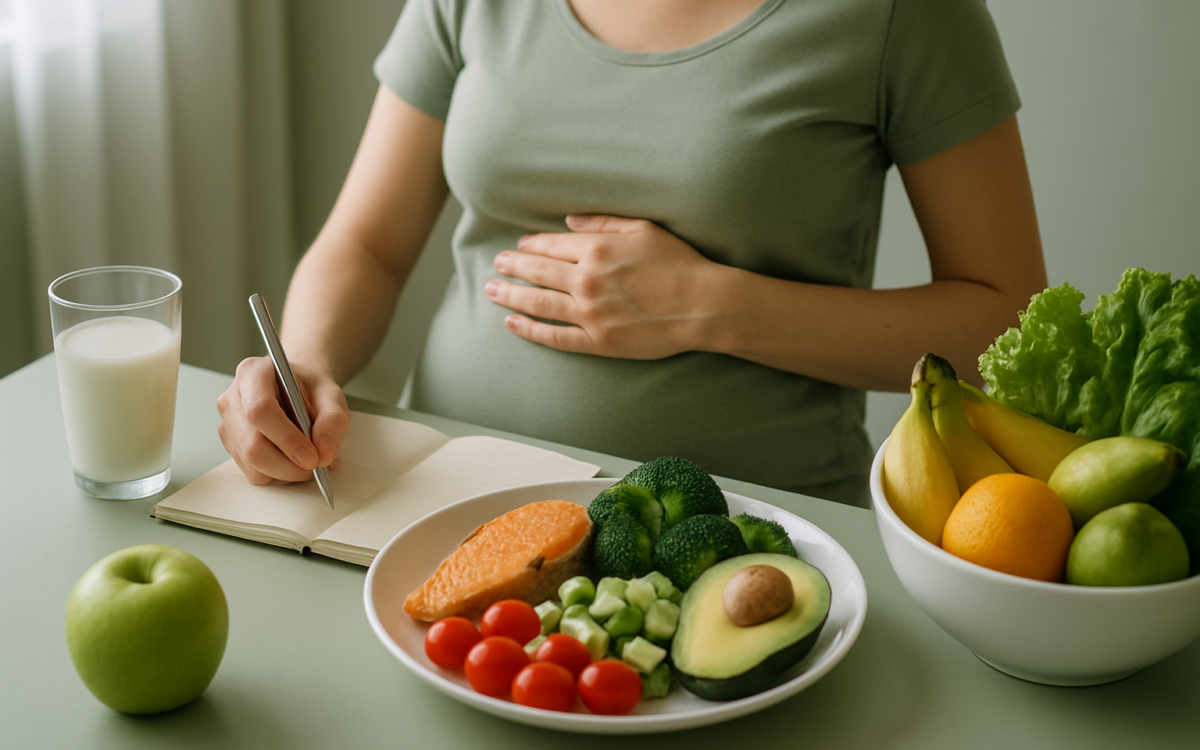
Pregnancy is an exciting journey, full of anticipation and change. As your body undergoes transformations to nurture a new life, your nutrition becomes more important than ever. A well-rounded pregnancy diet plan can help ensure both you and your baby receive the essential nutrients needed for healthy development. Let’s explore how to create the right dietary approach to support this amazing experience.
The Importance of a Balanced Diet
A balanced diet during pregnancy supports fetal growth and reduces the risk of complications. Proper nutrition aids in overall maternal health, contributing to energy levels, mood, and the body’s ability to cope with the physical demands of pregnancy. According to the NIH, certain nutrients become especially vital in this period.
Key Nutrients for Pregnant Women
As you plan your meals, focus on incorporating the following key nutrients:
- Folic Acid: Vital for preventing neural tube defects. Sources include leafy greens, citrus fruits, and fortified cereals.
- Iron: Important for preventing anemia. Include lean meats, beans, and spinach in your diet.
- Calcium: Essential for developing strong bones and teeth. Dairy products, tofu, and fortified plant-based milks are excellent sources.
- Omega-3 Fatty Acids: Beneficial for brain development. Fatty fish, flaxseeds, and walnuts should be part of your diet.
- Protein: Crucial for the growth of fetal tissue. Eggs, lean meat, and legumes are great protein sources.
Creating Your Pregnancy Diet Plan
Designing your diet plan doesn’t have to be overwhelming. Here’s how to structure a daily eating plan:
Breakfast
- Oatmeal topped with fresh berries and a scoop of nuts.
- Scrambled eggs with spinach and whole-grain toast.
Mid-Morning Snack
- A banana with a tablespoon of almond butter.
- Greek yogurt with honey and chia seeds.
Lunch
- Quinoa salad with chickpeas, cucumber, tomatoes, and feta cheese.
- Whole-grain wrap with grilled chicken, avocado, and mixed greens.
Afternoon Snack
- Cottage cheese with pineapple or berries.
- Carrot sticks and hummus.
Dinner
- Baked salmon with steamed broccoli and brown rice.
- Stir-fried tofu and vegetables served with quinoa.
Evening Snack (if hungry)
- An apple with cheese slices.
- A handful of nuts or seeds.
Hydration and Its Role in Pregnancy
Staying hydrated is crucial during pregnancy. Water helps in nutrient transportation, supports amniotic fluid, and aids digestion. Aim to drink at least 8-10 cups of water daily. When exercising or in hot weather, increase this amount. Remember that beverages like herbal teas and diluted fruit juices can contribute to your fluid intake as well.
Foods to Avoid During Pregnancy
While there are plenty of healthy options to choose from, it’s equally important to know which foods to limit or avoid entirely:
- Raw or undercooked seafood, meat, and eggs: These can pose risks of foodborne illnesses.
- Certain fish high in mercury: Such as shark, swordfish, and king mackerel. Opt for safer choices like salmon or sardines.
- Unpasteurized dairy products and juices: These can contain harmful bacteria.
- Processed and junk foods: Rich in sugars, unhealthy fats, and additives, affecting both your health and your baby’s.
Supplementing Your Pregnancy Diet
While whole foods should make up the majority of your diet, prenatal vitamins can help fill any gaps. Always consult your healthcare provider for recommendations tailored to your needs. Most doctors suggest a prenatal vitamin containing folic acid, iron, and DHA to support both maternal and fetal health.
When to See a Doctor
Always maintain open communication with your healthcare provider during pregnancy. Consult your doctor if you experience significant weight loss, excessive weight gain, unusual cravings, or any dietary concerns. Regular check-ups can also help ensure you and your baby are on the right track.
Creating a pregnancy diet plan that incorporates a variety of nutritious foods is essential for promoting a healthy pregnancy. By focusing on balanced meals and staying informed, you can support both your well-being and your baby’s development. Remember, consulting a healthcare provider can provide personalized guidance to help you navigate this remarkable journey.
