
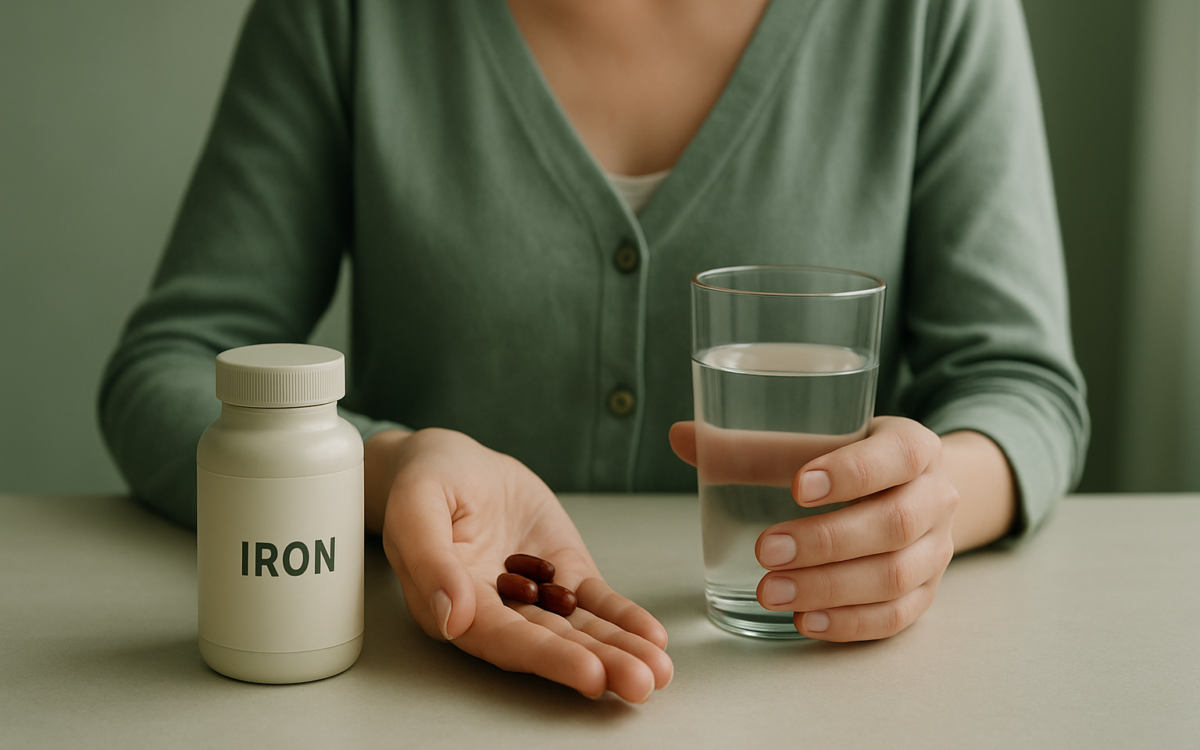
Iron is an essential mineral that plays a key role in many bodily functions, including the production of hemoglobin, which is necessary for transporting oxygen in the blood. Women, in particular, face unique challenges when it comes to maintaining adequate iron levels. Factors such as menstruation, pregnancy, and dietary habits can all impact iron levels. While many can meet their needs through diet, some women may require iron supplements. This article explores the importance of iron supplements for women, how to choose the right one, and when to seek medical advice.
Why do women need iron supplements?
Iron is crucial for several reasons specific to women’s health. Menstruating women lose blood each month, which can lead to a decrease in iron levels. For those who experience heavy periods (menorrhagia), the risk of developing iron deficiency anemia increases. Pregnant women also have increased iron needs due to the demands of the growing fetus and the blood volume expansion in their bodies.
According to the NIH, women aged 19-50 need about 18 mg of iron per day, while pregnant women require even more, around 27 mg daily. With such varying needs, it’s essential for women to understand their unique situations and what might necessitate supplements.
Signs of iron deficiency
Recognizing the signs of iron deficiency is crucial for timely intervention. Common symptoms include:
- Fatigue and weakness
- Pale skin
- Shortness of breath
- Dizziness or lightheadedness
- Cold hands and feet
- Headaches
If you experience any of these symptoms, it might be time to talk to a healthcare provider about your iron levels and the possibility of supplementation.
Choosing the right iron supplement
When looking for an iron supplement, it’s essential to choose one that fits your needs. There are two main types of iron supplements—ferrous and ferric:
- Ferrous iron: This form is typically better absorbed by the body and is generally recommended for supplementation.
- Ferric iron: This form is less readily absorbed and may be used in certain circumstances, but it’s less common for everyday iron supplements.
Common ferrous iron supplements include ferrous sulfate, ferrous gluconate, and ferrous fumarate. It’s also worth considering the dosage; while higher doses might be necessary for some, others may only need a lower amount. Always consult a healthcare provider before starting a new iron supplement to determine the right dosage for your situation.
Dietary sources of iron
While iron supplements can be beneficial, it’s equally important to incorporate iron-rich foods into your diet. There are two types of dietary iron:
- Heme iron: Found in animal products like meat, fish, and poultry. This type is more easily absorbed by the body.
- Non-heme iron: Found in plant-based foods such as beans, lentils, tofu, spinach, and fortified cereals. Non-heme iron is less easily absorbed but can still contribute to your overall intake.
Pairing non-heme sources of iron with vitamin C-rich foods (like citrus fruits, tomatoes, or bell peppers) can enhance absorption. If you are an international patient seeking specialized guidance on diet and supplements, consider reaching out to international patient services that can provide personalized health support.
Potential side effects of iron supplements
While iron supplements can be very helpful, they also come with potential side effects. Some common side effects include:
- Stomach upset or nausea
- Constipation or diarrhea
- Dark stools
- Stains on teeth (if using liquid forms)
If you experience severe side effects or any unusual reactions, consult your healthcare provider for advice. They may be able to recommend different forms of iron or adjust your dosage.
When to see a doctor
If you suspect you have an iron deficiency, it’s essential to see a healthcare provider. They can perform blood tests to determine your iron levels and decide the best course of action. This is especially important if you are pregnant, experiencing heavy menstrual bleeding, or have a diet low in iron-rich foods.
Conclusion
Iron is vital for women’s health, and when dietary sources aren’t enough, iron supplements can play an important role in meeting nutritional needs. Understanding your body, recognizing the signs of deficiency, and consulting with healthcare professionals can help ensure you maintain optimal iron levels. Whether it’s through diet or supplements, focusing on proper iron intake is a crucial step toward overall well-being.
