
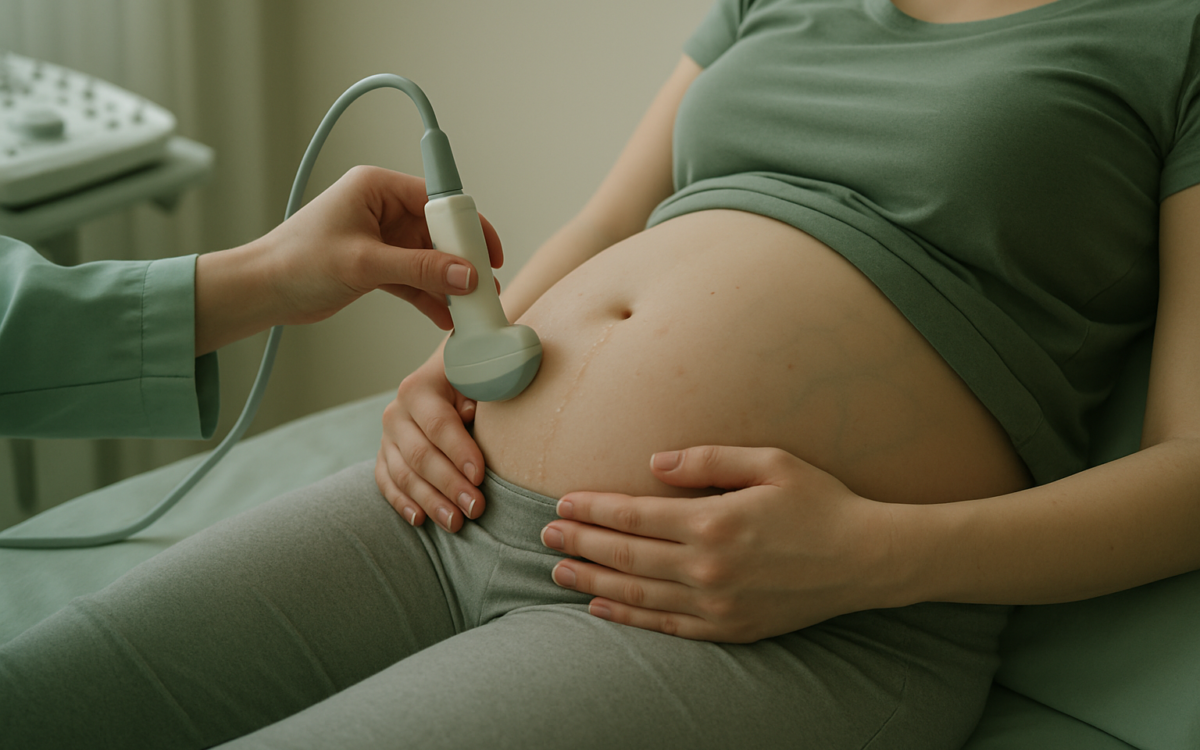
Polycystic ovary syndrome (PCOS) is one of the most common hormonal disorders among women of reproductive age. It affects not only menstrual health but also can present challenges during pregnancy. For women with PCOS who are trying to conceive, understanding the condition and its potential implications is crucial. In this article, we will explore how PCOS relates to pregnancy, potential complications, and how to optimize health during this important time.
What is Polycystic Ovary Syndrome?
PCOS is characterized by a combination of symptoms, including irregular menstrual cycles, excessive androgen levels (male hormones), and polycystic ovaries. Women with PCOS may experience weight gain, acne, and excessive hair growth. The exact cause of PCOS is still unknown, but it is believed to involve a combination of genetic and environmental factors.
PCOS and Fertility Challenges
One of the primary concerns for women with PCOS is fertility. Irregular ovulation or lack of ovulation can make it more challenging to conceive. Research indicates that PCOS can affect hormone levels, which leads to problems like irregular menstrual cycles. In fact, many women with this condition may find it necessary to seek assistance when trying to become pregnant.
Pregnancy Outcomes in Women with PCOS
While many women with PCOS succeed in having healthy pregnancies, they may face certain risks. Studies suggest that women with PCOS are at a higher risk for complications such as gestational diabetes, preeclampsia, and premature birth. Moreover, some research from the National Institutes of Health indicates that the rates of miscarriage might be slightly higher in women with PCOS compared to those without the condition. Understanding these potential risks can help in planning appropriate prenatal care.
Managing PCOS During Pregnancy
Effective management of PCOS during pregnancy can significantly improve outcomes. Here are some strategies to consider:
- Regular medical check-ups: Consult with a healthcare provider frequently to monitor your pregnancy and manage any risks.
- Healthy lifestyle: Maintain a balanced diet and incorporate regular exercise. This can help manage weight and reduce complications.
- Monitor blood sugar levels: As women with PCOS may have an increased risk for gestational diabetes, keeping an eye on blood sugar levels is crucial.
- Stress management: Engage in activities that reduce stress, as anxiety can impact pregnancy health. Consider yoga or meditation.
Emotional Considerations
Being diagnosed with PCOS and considering pregnancy can be an emotional journey. Feelings of anxiety, frustration, and fear are common. It is essential to seek support, whether from healthcare providers, support groups, or mental health professionals. Connecting with others who understand your experience can provide comfort and useful coping strategies.
After the Baby: Long-term Health Considerations
The journey doesn’t end with pregnancy. Women who have PCOS remain at higher risk for certain health issues later in life, such as type 2 diabetes and cardiovascular diseases. It’s essential to continue regular check-ups with a healthcare provider postpartum to monitor overall health, manage weight, and assess any ongoing symptoms of PCOS.
When to See a Doctor
If you have PCOS and are planning to conceive, it is advisable to consult with a healthcare provider who specializes in reproductive health. Early and regular prenatal care can help manage any complications effectively. Additionally, seek medical advice if you experience symptoms such as severe abdominal pain, heavy bleeding, or signs of anxiety or depression.
Being well-informed and prepared can help women with PCOS embrace their journey to pregnancy with confidence. Always consult with healthcare professionals for personalized guidance and support, and remember that many women with PCOS achieve healthy pregnancies.
Conclusion
Polycystic ovary syndrome presents unique challenges for women considering pregnancy, but it is important to remember that with proper management, many go on to have successful pregnancies. Understanding the condition, maintaining a healthy lifestyle, and seeking professional support are key components in navigating this journey. By prioritizing health and being proactive, women with PCOS can work toward fulfilling their dreams of motherhood.
