
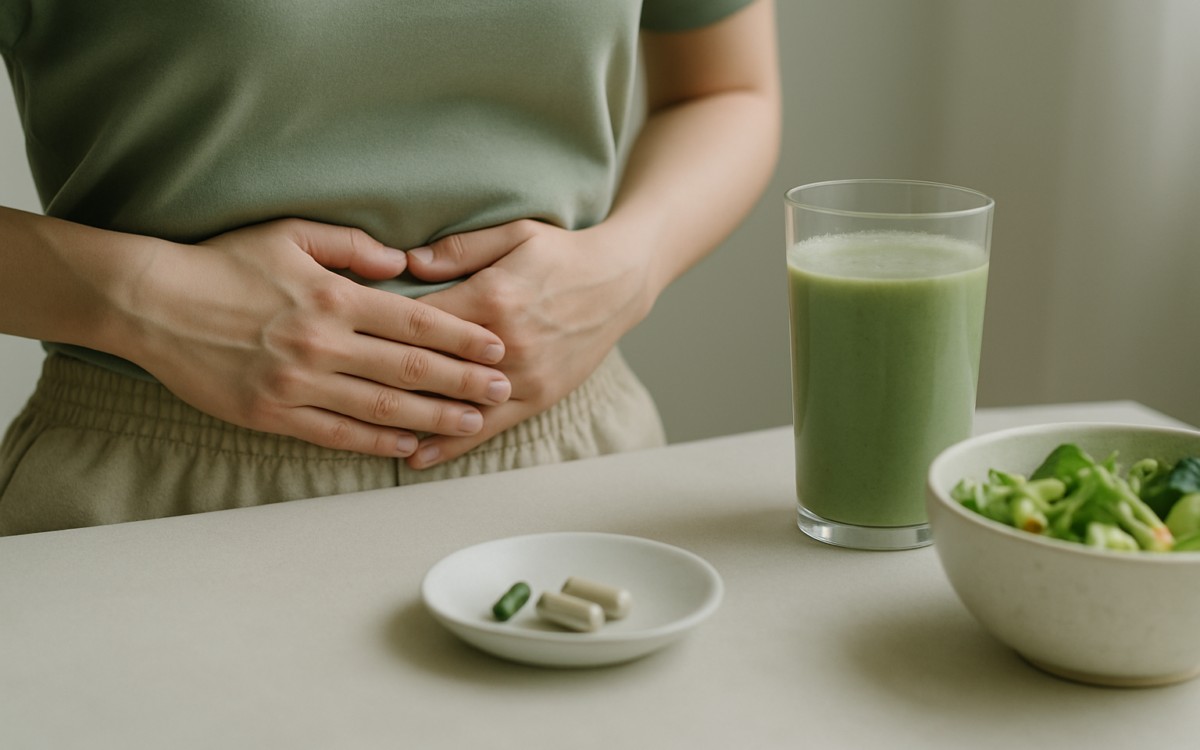
Gut inflammation can affect your overall health and well-being. It may lead to discomfort, bloating, and even chronic diseases if left unchecked. Fortunately, there are several quick and effective strategies to help reduce gut inflammation and support a healthier digestive system. Let’s explore some practical and evidence-informed steps.
Understanding Gut Inflammation
Gut inflammation occurs when the immune system reacts to harmful substances in the digestive tract. Some common causes include infections, an unhealthy diet, stress, and food intolerances. Symptoms can range from mild bloating and gas to persistent abdominal pain and diarrhea. Chronic gut inflammation is linked to various health issues like irritable bowel syndrome (IBS) and inflammatory bowel disease (IBD) (source: NIH).
Adopt an Anti-Inflammatory Diet
What you eat plays a crucial role in how your gut feels. An anti-inflammatory diet consists of whole, nutrient-rich foods that can help soothe inflammation. Here are some key components:
- Fruits and Vegetables: Foods like berries, leafy greens, and cruciferous vegetables are rich in antioxidants and phytonutrients that combat inflammation.
- Healthy Fats: Include sources of omega-3 fatty acids, such as fatty fish (salmon, mackerel), walnuts, and flaxseeds.
- Whole Grains: Opt for whole grains like quinoa, brown rice, and oats over refined grains, as they are higher in fiber.
- Fermented Foods: Foods such as yogurt, kimchi, and sauerkraut contain beneficial probiotics that support gut health by balancing gut flora.
- Spices: Turmeric and ginger are known for their anti-inflammatory properties. Adding these spices to your meals can assist in alleviating gut inflammation.
Hydration is Key
Staying hydrated is essential for overall health, including gut health. Water helps in digestion and aids in the body’s natural detoxification processes. Aim to drink at least 8 glasses of water daily. Additionally, herbal teas, especially those containing ginger or peppermint, can provide soothing effects on the digestive system.
Manage Stress Levels
Stress can have a significant impact on gut health. When you’re stressed, it can lead to changes in gut function, which may exacerbate inflammation. Finding ways to manage stress is crucial. Consider practices such as:
- Meditation: Taking just a few minutes each day to meditate can help calm your mind.
- Yoga: Gentle yoga can boost relaxation and improve gut function.
- Deep Breathing Exercises: Focusing on deep, abdominal breathing can activate your body’s relaxation response.
Regular Physical Activity
Exercise can also play a significant role in reducing gut inflammation. Regular physical activity helps improve gut motility and supports a healthy weight. Aim for at least 150 minutes of moderate aerobic activity each week, such as brisk walking or cycling. Even short bursts of activity can be beneficial, so find what works for you.
Considering International Treatment Options
If you are experiencing severe gut inflammation, you might want to explore treatment options beyond your local healthcare providers. Many people travel for specialized care that may include comprehensive assessments and cutting-edge treatments. Facilities like international patient services can help arrange specialized gastroenterology consultations and treatments that may not be available locally.
When to See a Doctor
While many forms of gut inflammation can be managed with lifestyle changes, it’s important to consult your doctor if you experience:
- Severe or persistent abdominal pain
- Unexplained weight loss
- Persistent diarrhea or blood in your stool
- Symptoms that do not improve with dietary changes
Your doctor can provide a tailored assessment and recommend tests or treatments based on your specific needs.
Conclusion
Reducing gut inflammation quickly is possible through dietary adjustments, hydration, stress management, and regular physical activity. With these strategies, you can support your gut health and overall well-being. Remember, if symptoms persist or worsen, always consult your healthcare provider for the best guidance and care.
