
In today’s health-focused world, we often hear about the effects of inflammation on our bodies. Chronic inflammation has been linked to various health issues, such as heart disease, diabetes, and even certain cancers. A non-inflammatory diet can be a powerful way to manage and reduce inflammation, supporting overall well-being. But what exactly does this diet entail, and how can it transform your health?
Understanding Inflammation
Inflammation is a natural response by the body to protect itself from injury and infection. However, when inflammation becomes chronic, it can lead to several health problems. Factors like poor diet, lack of exercise, stress, and environmental toxins can contribute to this inflammation. The good news is that certain dietary choices can help combat this issue.
What Is a Non-Inflammatory Diet?
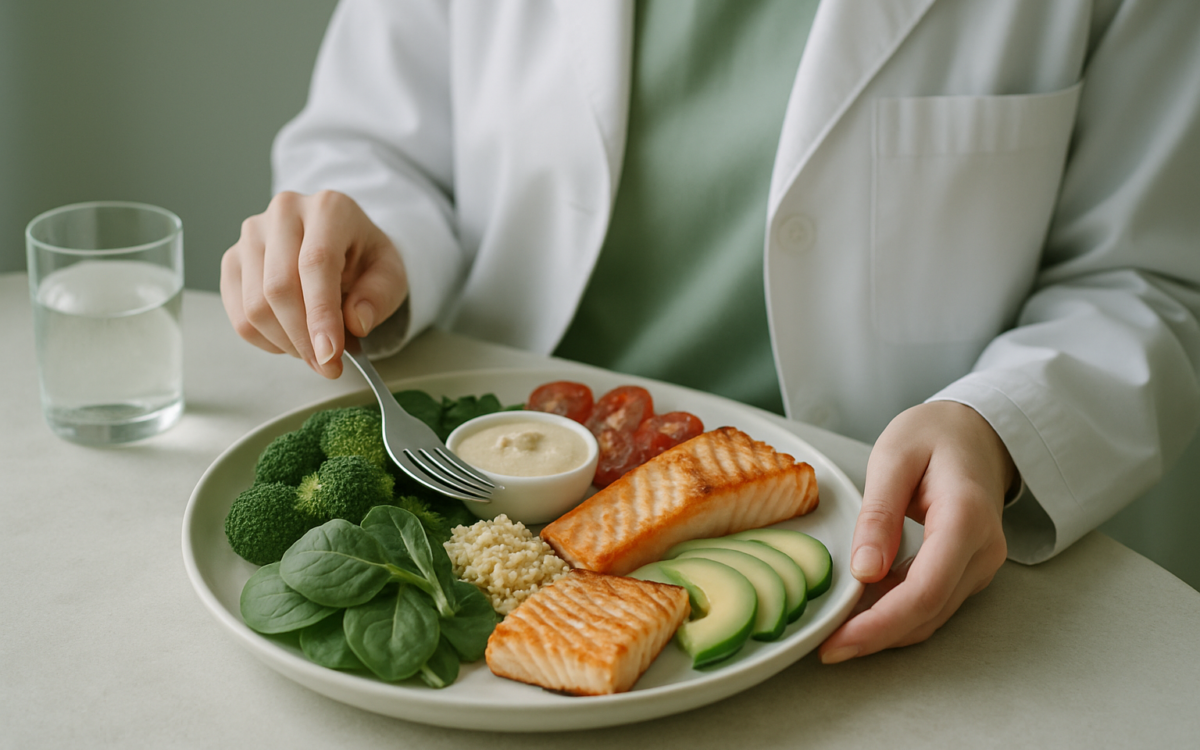
A non-inflammatory diet focuses on foods that can help decrease inflammation in the body. This way of eating promotes whole, minimally processed foods rich in antioxidants and omega-3 fatty acids while minimizing those that can trigger inflammatory responses. Foods to consider include:
- Fruits and vegetables: Berries, leafy greens, and cruciferous veggies like broccoli are packed with vitamins and minerals that help reduce inflammation.
- Healthy fats: Incorporating sources of healthy fats, like olive oil and avocados, can be beneficial. Omega-3 fatty acids found in fatty fish like salmon and seeds like chia are particularly effective.
- Whole grains: Opt for whole grains like quinoa, brown rice, and oats, which can provide fiber and nutrients that help manage inflammation.
- Legumes and nuts: Beans, lentils, almonds, and walnuts provide protein and healthy fats, contributing to a balanced diet.
Foods to Avoid
While it’s essential to include anti-inflammatory foods, it’s just as important to limit certain items known to provoke inflammation. These include:
- Processed foods: Packaged snacks and fast foods often contain unhealthy trans fats and sugars that can increase inflammation.
- Refined carbohydrates: White bread and pastries can spike blood sugar levels and trigger an inflammatory response.
- Sugary beverages: Soft drinks and excessive fruit juices can lead to increased inflammation and weight gain.
Benefits of a Non-Inflammatory Diet
One of the key benefits of following a non-inflammatory diet is its potential to improve overall health. Research suggests that diets rich in anti-inflammatory foods can lead to a lower risk of chronic diseases. Some of the advantages you might notice include:
- Weight management: A focus on whole, nutrient-dense foods can help maintain a healthy weight.
- Improved digestion: High-fiber foods promote gut health, which is essential for overall wellness.
- Better mood and energy levels: Certain foods can support brain health, leading to improved mood stability and increased energy.
<pMany studies, such as those published by the NIH, indicate that diet plays a significant role in modulating inflammation in the body, potentially impacting long-term health but also offering immediate improvements in how one feels day-to-day.
Practical Tips for Starting a Non-Inflammatory Diet
If you’re interested in making changes to your eating habits, here are some simple steps to help you transition to a non-inflammatory diet:
- Start Slowly: Instead of overhauling your diet overnight, consider making gradual changes, like adding one new vegetable to your meals each week.
- Plan Your Meals: Planning ahead can help you avoid reaching for quick, processed options.
- Stay Hydrated: Drink plenty of water and opt for herbal teas instead of sugary drinks.
When to See a Doctor
While dietary changes can be impactful, it’s essential to consult your healthcare provider before starting any new diet, especially if you have underlying health conditions. If you are experiencing symptoms like chronic fatigue, joint pain, or digestive issues, it may be time to seek medical advice. Your doctor can assist in determining whether inflammation is a concern and if specific dietary changes are warranted.
Conclusion
Embracing a non-inflammatory diet offers a pathway towards improved health and well-being. With a focus on nourishing, whole foods and avoiding those that can contribute to inflammation, you can set yourself on a course for better health. Remember that changes take time, and listening to your body is essential. By making informed choices, you can promote not just a healthier lifestyle but also a happier, more energized life.
