
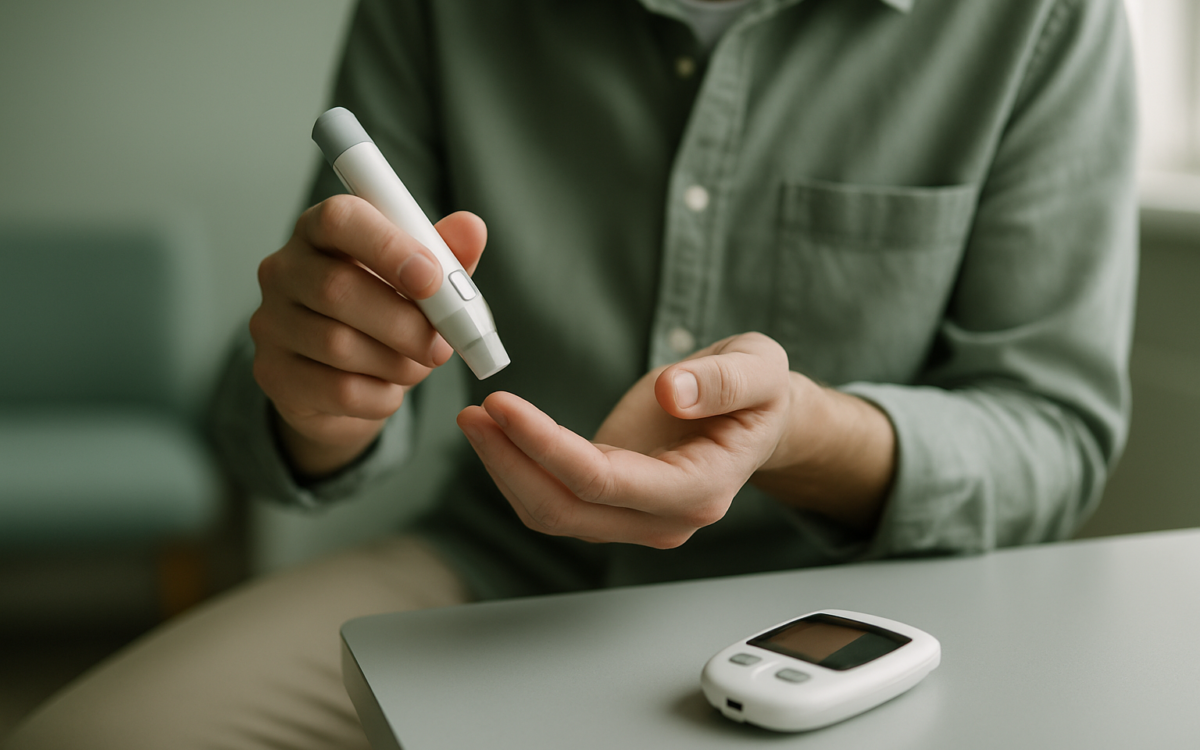
Diabetes is a serious condition that affects millions of people worldwide. Recognizing its early signs is crucial for effective management and prevention of complications. The sooner you identify symptoms, the quicker you can seek help and make necessary lifestyle changes.
What is Diabetes?
Diabetes is a chronic disease that occurs when the body cannot effectively use insulin, a hormone that regulates blood sugar (glucose) levels. There are two main types of diabetes: Type 1 and Type 2. Type 1 diabetes is typically diagnosed in children and young adults, while Type 2 diabetes usually affects adults and is often associated with obesity and inactivity. According to the World Health Organization, diabetes is a leading cause of kidney failure, heart attacks, and strokes.
Common Early Signs of Diabetes
Being aware of the early signs of diabetes can lead to earlier diagnosis and better management. Here are some common symptoms to watch for:
- Excessive Thirst: Increased thirst is often one of the first signs of diabetes. The body signals that it needs more fluids due to high blood sugar levels.
- Frequent Urination: High glucose levels can cause your kidneys to work harder to filter out the excess sugar, leading to increased urination.
- Unexplained Weight Loss: If you are losing weight without trying, it could be a sign that your body isn’t using glucose properly for energy.
- Fatigue: Persistent fatigue can occur as your body struggles to convert food into energy. Poorly managed blood sugar can lead to feeling tired and exhausted.
- Blurred Vision: High blood sugar levels can cause the lens of your eyes to swell, leading to blurry vision.
- Slow-Healing Sores: If you notice that cuts or bruises are taking longer to heal than usual, it could be a sign of diabetes-related complications.
Additional Signs in Type 2 Diabetes
Type 2 diabetes may develop more gradually than Type 1, and some early signs can be subtle. Here are a few additional symptoms to be mindful of:
- Dark Patches of Skin: Acanthosis nigricans is a condition where dark, velvety patches develop in body folds and creases. It can be a sign of insulin resistance.
- Increased Hunger: After eating, you might feel unusually hungry. This can be due to the body’s inability to use insulin effectively.
- Numbness or Tingling: Some people with diabetes may experience nerve damage, known as neuropathy, especially in the feet and hands.
Understanding Risk Factors
Certain factors can increase your chances of developing diabetes. Understanding these risk factors can empower you to take preventive measures:
- Family History: If you have a close relative with diabetes, your risk increases significantly.
- Obesity: Being overweight is one of the most significant risk factors for Type 2 diabetes.
- Lack of Physical Activity: An inactive lifestyle contributes to weight gain, which can lead to diabetes.
- Age: The risk of Type 2 diabetes increases as you age, particularly after age 45.
- Gestational Diabetes: Women who develop diabetes during pregnancy are at higher risk for developing Type 2 diabetes later.
Testing and Diagnosis
If you notice any early signs of diabetes, discuss your symptoms with a healthcare professional. They may recommend several tests to diagnose diabetes:
- Fasting Blood Sugar Test: Your blood sugar is tested after fasting for at least 8 hours.
- Oral Glucose Tolerance Test: This test measures your blood sugar before and after drinking a sugary solution.
- A1C Test: This blood test provides an average blood sugar level over the past 2-3 months.
When to See a Doctor
Don’t hesitate to consult a doctor if you notice any symptoms of diabetes. Early detection can help prevent complications like heart disease, kidney damage, and more. The CDC recommends screening for diabetes starting at age 45, or earlier if you have risk factors.
Conclusion
Recognizing the early signs of diabetes can make a significant difference in health outcomes. Awareness of your body’s signals and understanding risk factors can empower you to seek help and make necessary changes. Remember, consulting a healthcare professional is always a critical step in managing your health.
