
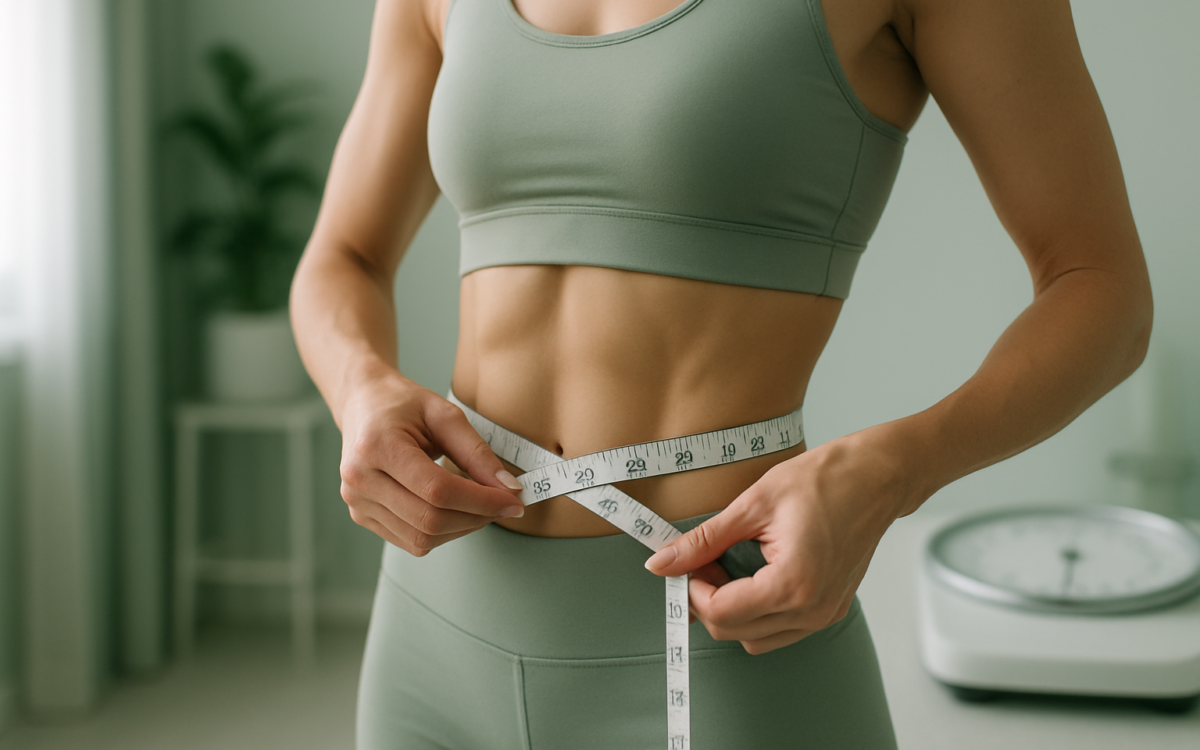
In today’s world, many people strive to achieve a leaner physique, but the journey can often feel overwhelming. With countless diets, workout plans, and trends, where do you begin? The path to getting lean is not just about quick fixes; it’s about sustainable changes that integrate into your lifestyle. Let’s explore some effective strategies that can help you on your journey to becoming leaner.
Understanding Lean Body Composition
Before diving into how to get lean, it’s essential to understand what being “lean” means. Lean body composition refers to having a higher ratio of muscle to fat in your body. This not only enhances your appearance but also improves your overall health, metabolism, and energy levels. According to the National Institutes of Health, maintaining a healthy body composition can help reduce the risk of chronic diseases.
Balanced Nutrition: The Foundation of Getting Lean
Nutrition plays a vital role in achieving a lean physique. Here are some practical tips to consider:
- Focus on Whole Foods: Incorporate fruits, vegetables, whole grains, lean proteins, and healthy fats into your meals. These foods are nutrient-dense and can help keep you full longer.
- Watch Portion Sizes: Being mindful of how much you eat is crucial. Try using smaller plates or measuring portions to avoid overeating.
- Stay Hydrated: Drinking enough water can prevent unnecessary snacking. Sometimes, our bodies confuse thirst with hunger.
- Limit Processed Foods: Foods high in sugar and unhealthy fats can sabotage your efforts to get lean. Aim for natural, unprocessed options whenever possible.
Regular Physical Activity: Move Your Body
Exercise is equally important when it comes to eliminating excess fat and building muscle mass. Here are some effective types of workouts:
- Aerobic Exercises: Activities like running, cycling, and swimming increase your heart rate and burn calories. Aim for at least 150 minutes of moderate-intensity aerobic activity per week.
- Strength Training: Building muscle through weightlifting or bodyweight exercises like push-ups and squats can boost your metabolism and help you burn fat more effectively.
- Flexibility and Balance: Incorporate yoga or Pilates into your routine to enhance flexibility and balance, promoting overall fitness and injury prevention.
Mindfulness and Stress Management
Your mental state can significantly impact your physical goals. Stress can lead to emotional eating and unhealthy habits. Here’s how to cultivate a healthy mindset:
- Practice Mindfulness: Mindfulness techniques can help you stay aware of your eating habits and emotions. Consider meditation or deep breathing exercises to ground yourself.
- Get Enough Sleep: Lack of sleep can lead to weight gain by affecting hormones that regulate appetite. Make sleep a priority to support your overall well-being.
- Set Realistic Goals: Aim for gradual weight loss rather than drastic changes. A rate of 1-2 pounds per week is considered safe and effective.
Building a Support System
Your journey to getting lean doesn’t have to be solitary. A support system can keep you motivated and accountable:
- Join a Class: Group fitness classes can provide camaraderie and encouragement. Being with like-minded individuals fosters motivation.
- Partner Up: Find a workout buddy or friend to share your fitness goals with. Exercising together can make the experience more enjoyable.
- Seek Professional Guidance: Consider consulting a registered dietitian or a personal trainer for tailored advice and support on your journey.
Tracking Progress
Monitoring your progress is crucial to staying on track. Here are some ways to do it:
- Keep a Journal: Document what you eat, your workouts, and how you feel. This helps identify patterns and areas for improvement.
- Use Apps: Various fitness apps can help track your nutrition and workouts, keeping your goals within reach.
- Celebrate Milestones: Recognize your achievements, no matter how small. Whether it’s a pound lost or a new exercise mastered, celebrate your hard work!
When to See a Doctor
While many people can safely pursue a leaner body on their own, some may need professional support. Consult your doctor if:
- You have underlying health conditions that may affect your ability to lose weight.
- You are considering a drastic change in diet or exercise regimen.
- You experience significant emotional distress related to body image or eating behaviors.
Conclusion
Getting lean is more than just a physical transformation; it’s about adopting a healthier lifestyle. With the right nutrition, regular exercise, mindfulness, and support, you can achieve your goals in a sustainable way. Remember, each small step you take contributes to the journey toward becoming the leaner version of yourself. Enjoy the process and celebrate your progress!
