
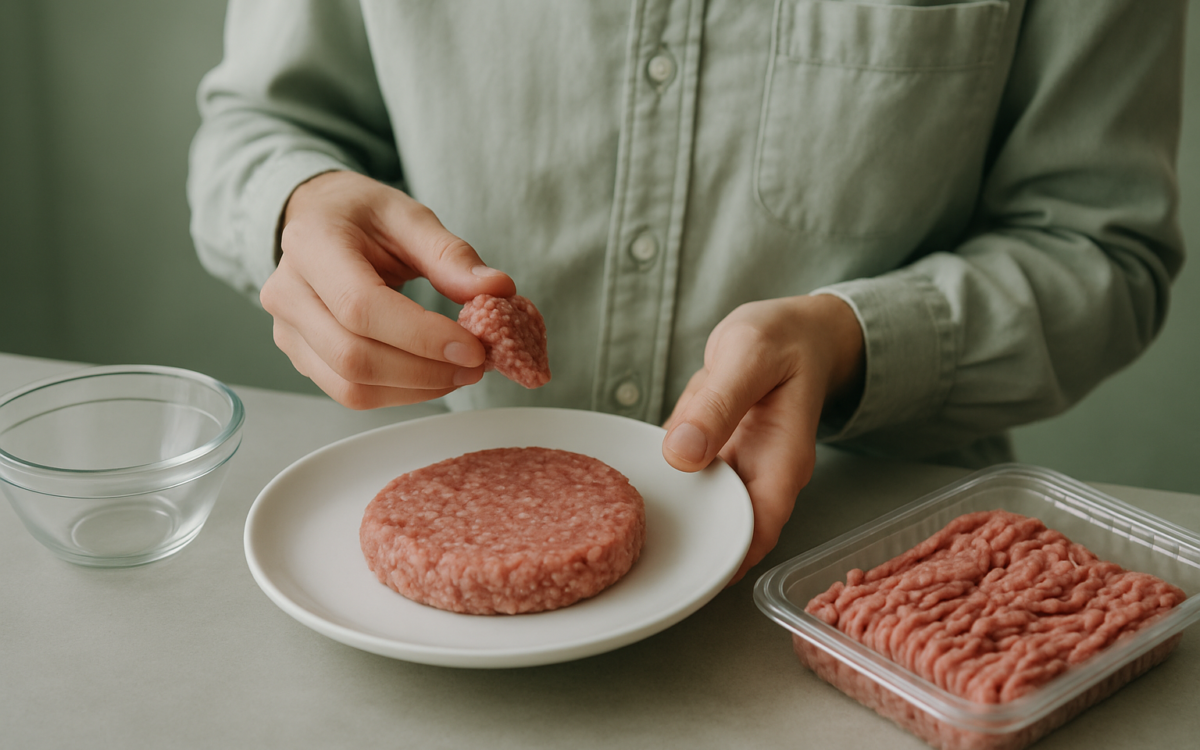
When it comes to cooking meals at home, knowing the state of your ingredients is crucial, especially when it comes to meat. Hamburger meat is a popular choice for many, whether it’s for burgers, meatloaf, or tacos. However, it’s important to understand how to tell if your hamburger meat has gone bad. Consuming spoiled meat can lead to foodborne illnesses, so recognizing the signs of spoilage is essential for safe cooking.
The Importance of Checking Hamburger Meat
Each year, millions of people suffer from foodborne illnesses caused by consuming contaminated food. Raw meat, such as hamburger, is particularly vulnerable to bacterial growth. Understanding how to assess the quality of hamburger meat can help ensure you and your family stay safe and healthy. Familiarizing yourself with the signs of bad meat can also minimize waste in your kitchen.
Visual Signs of Spoilage
One of the first things to check when evaluating your hamburger meat is its appearance:
- Color: Fresh ground beef is typically bright red on the outside, due to exposure to oxygen, while the inside may be a darker color. If your hamburger is turning brown or gray throughout, it could be a sign of spoilage. However, some color change can be normal after it’s been packaged for a while.
- Texture: Fresh hamburger meat should feel firm and slightly moist. If the texture is slimy or sticky, it is likely spoiled and should not be consumed.
Olfactory Cues to Consider
Smell can be one of the best indicators of spoilage. Fresh hamburger meat should have a mild, meaty odor.
- If the meat smells sour or off, it’s an indication that it has gone bad. Trust your instincts: if it doesn’t smell right, don’t use it.
Packaging and Expiration Dates
How the meat is packaged and its expiration date are also critical indicators of quality:
- Packaging: Always check the packaging for any signs of damage, such as tears or leaks. Meat that has been exposed to air can spoil faster due to bacterial growth.
- Expiration and Sell-By Dates: Be sure to follow the expiration dates on the packaging. Ground beef should ideally be used within one to two days of purchase if stored in the refrigerator. If you plan to keep it longer, freeze it for later use.
Proper Storage Practices
To keep your hamburger meat fresh longer, proper storage is key:
- Refrigeration: Store ground beef in the coldest part of your refrigerator at 40°F (4°C) or lower. Make sure it is tightly wrapped or in an airtight container to minimize exposure to air.
- Freezing: If you don’t plan to use the meat within a couple of days, consider freezing it. Properly packaged hamburger can last about 3 to 4 months in the freezer without losing quality. However, it should still be cooked within a couple of days of thawing.
Cooking to Safe Temperatures
Cooking hamburger meat to the right temperature is essential to kill any harmful bacteria that may be present:
- Temperature Guidelines: Use a food thermometer to ensure ground beef reaches an internal temperature of 160°F (71°C). This temperature is necessary to eliminate pathogens such as Escherichia coli (E. coli) and Salmonella, which can cause severe illness.
Safe Thawing Methods
If you’ve frozen your hamburger meat, make sure to thaw it safely:
- Thaw in the refrigerator, in cold water, or in the microwave if you’re cooking it immediately. Avoid thawing at room temperature, as this can encourage bacterial growth.
When to See a Doctor
If you suspect you have consumed spoiled hamburger meat and experience symptoms like nausea, vomiting, diarrhea, or fever, it’s important to consult a healthcare provider. Foodborne illnesses can sometimes escalate and require medical attention. Always prioritize your health and safety when handling and consuming food.
Conclusion
Being able to recognize the signs of spoiled hamburger meat is crucial in maintaining food safety in your home. By checking for visual signs, odors, examining packaging, ensuring proper storage, and cooking to safe temperatures, you can enjoy delicious and safe meals. If in doubt, it’s always better to err on the side of caution—when it comes to food safety, trust your senses and prioritize your health.
