
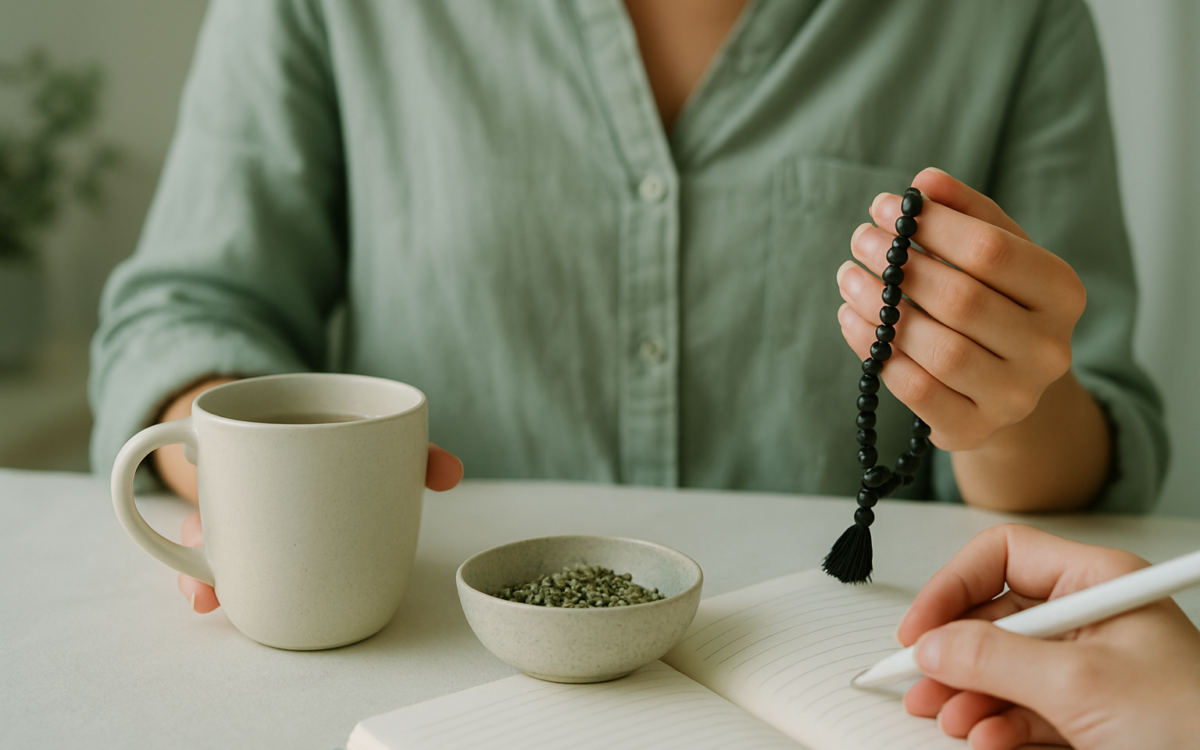
We all experience stress at some point in our lives, whether it’s due to work, family responsibilities, or unexpected challenges. It’s essential to find effective ways to manage this stress to maintain our mental and physical well-being. Luckily, there are simple daily habits that can significantly reduce stress and enhance our overall quality of life.
Practice Mindfulness
Mindfulness is the practice of being present and fully engaged in the current moment without judgment. Incorporating mindfulness into your daily routine can be as simple as taking a few minutes each day to focus on your breath or observe your surroundings. Research indicates that mindfulness not only helps lower stress but also improves emotional health and can lead to better relationships (see NIH).
How to Practice Mindfulness
- Start your day with a few minutes of deep breathing.
- Pay attention to your sensations while eating or walking.
- Try a guided meditation app for structured sessions.
Keep an Active Routine
Regular physical activity is a fantastic stress-buster. Exercise triggers the release of endorphins, which are hormones that elevate your mood and help combat stress. Even simple activities, like walking for 30 minutes a day, can have significant benefits. Studies show that engaging in regular exercise leads to lower levels of anxiety and better stress management (see CDC).
Incorporating Exercise
- Find a sport or activity you enjoy.
- Take the stairs instead of the elevator.
- Join a local gym or class for social interaction.
Connect with Nature
Spending time outdoors can do wonders for your mental health. Nature has a calming effect, and studies suggest that even a short stroll in a park can lower stress levels. Exposure to green spaces has been linked to improved mood and increased feelings of well-being (see WHO).
Ways to Connect with Nature
- Take a walk during your lunch break in a nearby park.
- Start a small garden at home.
- Plan weekend hikes or nature trips with friends or family.
Establish a Sleep Routine
Quality sleep is crucial for managing stress. Developing a consistent sleep schedule can help regulate your body’s internal clock, making it easier to fall asleep and wake up. Insufficient sleep can escalate stress and anxiety levels, making it essential to prioritize a good night’s rest.
Tips for Better Sleep
- Avoid screens at least one hour before bedtime.
- Create a relaxing bedtime ritual such as reading or taking a warm bath.
- Keep your bedroom dark and cool for optimal sleep.
Maintain Social Connections
Humans are social beings, and maintaining healthy relationships plays a vital role in stress management. Talking to friends or family can provide emotional support and help you feel more connected. Sharing your thoughts and feelings with someone you trust can lighten your emotional load.
Ways to Strengthen Connections
- Schedule regular catch-ups with friends or loved ones.
- Join clubs or groups with shared interests.
- Volunteer for local causes to meet new people.
Set Boundaries and Take Breaks
Feeling overwhelmed often stems from taking on too much. It’s vital to set clear boundaries in your work and personal life. Saying no when you need to and scheduling breaks can prevent burnout and reduce stress. Allowing yourself short breaks throughout the day can help you recharge.
Managing Your Time Effectively
- Use a planner or digital calendar to organize your tasks.
- Designate specific times for work and personal activities.
- Incorporate short 5-10 minute breaks every hour.
When to See a Doctor
If stress becomes overwhelming and interferes with your daily life, it may be time to consult a healthcare professional. Signs that you need help include persistent feelings of sadness, anxiety, or hopelessness, inability to cope with daily activities, or changes in sleep and appetite.
Remember, seeking help is a sign of strength, and there are various resources available to support you in managing stress effectively.
In conclusion, daily stress management is not just about eliminating stressors but also about creating a balanced lifestyle. By incorporating mindfulness, physical activity, nature connection, quality sleep, strong social ties, and effective time management into your routine, you can cultivate a more relaxed and healthier life. Take small, manageable steps each day, and remember that reducing stress is a journey, not a destination.
