
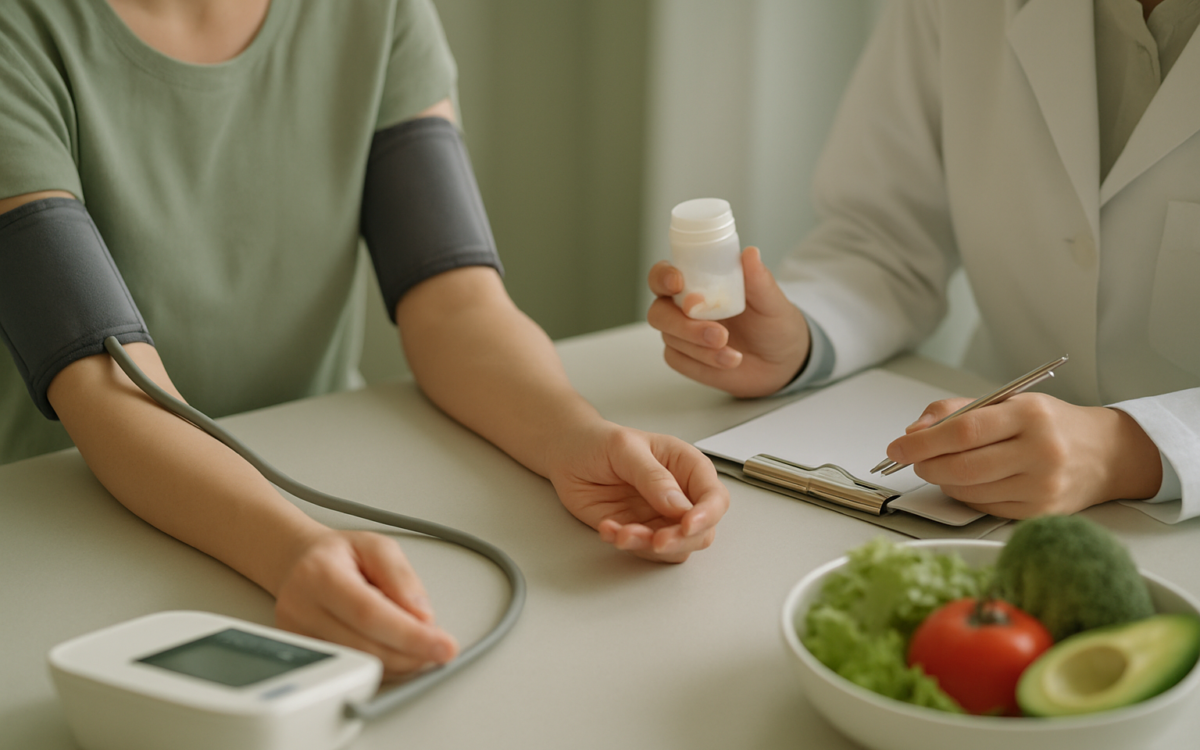
High blood pressure, or hypertension, affects millions of people worldwide, and it often goes unnoticed until significant damage has been done. Understanding how to lower high blood pressure can make a profound difference in your health and life. While medications can be an essential part of treatment for some, many lifestyle changes can aid in reducing blood pressure naturally. This article will explore various strategies that can help you take control of your blood pressure levels.
Understanding High Blood Pressure
High blood pressure, defined as a systolic reading of 130 mm Hg or greater or a diastolic reading of 80 mm Hg or greater, can lead to serious health issues, including heart disease, stroke, and kidney problems. According to the CDC, managing high blood pressure is crucial for maintaining your health.
Embrace a Heart-Healthy Diet
Your diet plays a pivotal role in managing blood pressure. Here are some dietary recommendations:
- Reduce Sodium Intake: Limit your sodium (salt) intake to less than 2,300 mg a day, or ideally 1,500 mg for most adults.
- Increase Fruits and Vegetables: Aim for a diet rich in fruits, vegetables, whole grains, and lean proteins. The DASH diet is specifically designed to help lower high blood pressure.
- Choose Healthy Fats: Incorporate healthy fats from sources like avocados, nuts, and olive oil, while limiting saturated and trans fats.
Stay Active with Regular Exercise
Physical activity is a powerful tool for lowering blood pressure. Regular exercise strengthens your heart, enabling it to pump blood more efficiently. Consider these tips:
- Aim for Consistency: Try to get at least 150 minutes of moderate aerobic exercise each week, like brisk walking, swimming, or cycling.
- Add Strength Training: Include muscle-strengthening activities at least two days a week.
- Find Activities You Enjoy: Staying active doesn’t have to feel like a chore. Choose activities that you enjoy and can sustain over time.
Manage Stress Effectively
Chronic stress is a significant contributor to high blood pressure. Learning to manage stress can have a positive impact on your health. Here are some methods to reduce stress:
- Practice Relaxation Techniques: Try mindfulness meditation, yoga, or deep breathing exercises to calm your mind.
- Stay Connected: Maintain social connections with supportive friends and family, which can help reduce feelings of isolation and anxiety.
- Set Realistic Goals: Break tasks into smaller, manageable steps to avoid feeling overwhelmed.
Avoid Harmful Habits
Certain habits can worsen high blood pressure. Consider reducing or eliminating the following:
- Limit Alcohol: For those who drink, moderation is key. This means no more than one drink a day for women and two for men.
- Quit Smoking: Tobacco use raises blood pressure and harms your blood vessels. Seek help if you need support to quit.
- Avoid Sugary Foods: High sugar intake, especially from sugar-sweetened beverages, can increase blood pressure.
Monitor Your Blood Pressure
Regular monitoring can help you stay informed about your blood pressure levels and the effectiveness of your lifestyle changes. Here’s how to monitor:
- Use a Home Blood Pressure Monitor: Keep a home device to track your blood pressure regularly. This can provide valuable insights into your progress.
- Record Your Readings: Keeping a journal of your readings can help you and your doctor understand trends and make necessary adjustments.
- Schedule Regular Check-ups: Visit your healthcare provider for routine evaluations, especially if you have a family history of hypertension.
When to See a Doctor
If lifestyle changes do not seem to control your blood pressure adequately, or if you experience symptoms like severe headaches, vision problems, or shortness of breath, it’s essential to consult a healthcare professional. They can help you understand your condition more deeply and explore additional options for management.
Managing high blood pressure is an ongoing journey that involves your commitment to healthier habits. By adopting a healthier diet, staying active, managing stress, and avoiding harmful behaviors, you can take control of your blood pressure and enhance your overall well-being.
Remember, while these lifestyle changes are crucial, always consult your doctor before making any significant changes to your health regimen.
