
In today’s fast-paced world, stress can often feel like a constant companion. Whether it comes from work, relationships, or everyday responsibilities, finding ways to ease that stress is essential for your overall well-being. This article explores various techniques that you can use to reduce stress and cultivate a calmer mindset.
Understanding Stress
Before diving into stress reduction techniques, it’s important to understand what stress is. Stress is the body’s response to challenges or demands. While some stress can be motivating, chronic stress can lead to serious health problems, including anxiety, depression, and heart disease. According to the National Institutes of Health, managing stress effectively is crucial for maintaining both mental and physical health.
Mindfulness Meditation
One of the most effective techniques to reduce stress is mindfulness meditation. This practice involves paying focused attention to the present moment without judgment. Research has shown that mindfulness can significantly lower stress levels.
How to Practice
- Find a quiet space where you can sit comfortably.
- Close your eyes and concentrate on your breathing.
- Notice how your body feels and what thoughts arise; simply observe them without trying to change them.
- Commit to a few minutes, gradually increasing the duration.
For beginners, even five to ten minutes a day can lead to noticeable improvements in stress levels.
Deep Breathing Techniques
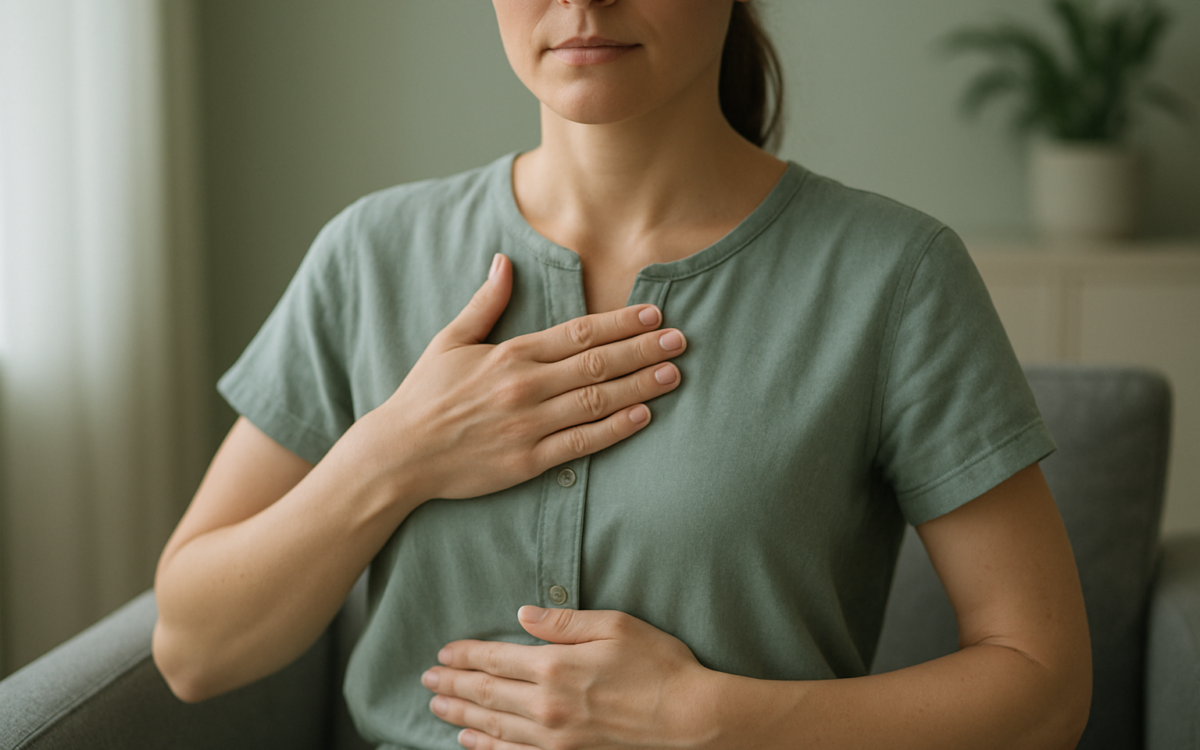
Deep breathing is a quick and effective way to reduce stress. It activates the body’s relaxation response, countering the effects of stress. According to the Mayo Clinic, deep breathing can help decrease stress by promoting calmness and clarity.
Steps to Deep Breathing
- Sit or lie down in a comfortable position.
- Inhale deeply through your nose, allowing your abdomen to rise.
- Hold your breath for a few seconds.
- Exhale slowly through your mouth.
- Repeat for five to ten cycles.
This technique can be done anywhere, making it a practical option during stressful situations.
Physical Activity
Engaging in regular physical activity is another powerful technique to reduce stress. Exercise promotes the release of endorphins, chemicals in the brain that act as natural painkillers and mood elevators. The World Health Organization (WHO) suggests that even moderate physical activity can help reduce anxiety and improve mood.
Types of Physical Activity
- Walking or jogging
- Yoga or Pilates
- Dancing
- Swimming
Even a daily walk around your neighborhood can make a significant difference. Aim for at least 30 minutes of moderate activity most days of the week for optimal results.
Connecting with Nature
Spending time in nature can also be a remarkable technique to reduce stress. Nature has calming effects and can help restore a sense of peace. Studies indicate that exposure to green spaces can lower cortisol levels, the hormone associated with stress.
How to Connect with Nature
- Take a walk in a park or forest.
- Gardening or spending time in your backyard.
- Simply sitting outside and enjoying your surroundings.
Even short bursts of natural exposure can lift your mood and clear your mind.
Creating a Relaxation Routine
Establishing a routine that includes time for relaxation can help in managing stress effectively. This routine can incorporate any of the techniques mentioned above, along with additional practices tailored to your needs.
Tips for Building Your Routine
- Set aside specific times for relaxation each day.
- Include activities you enjoy, such as reading, taking a warm bath, or listening to music.
- Limit screen time and digital distractions during this time.
Creating a space in your life for relaxation signals to your body that it’s time to unwind.
When to See a Doctor
While implementing these techniques can significantly help with managing everyday stress, it’s important to seek professional help if your stress becomes overwhelming. Signs that you should consult a healthcare provider include:
- Persistent feelings of anxiety or sadness.
- Difficulty in managing daily responsibilities.
- Physical symptoms like headaches, fatigue, or digestive issues.
A qualified professional can provide further evaluation and support to address your mental health needs.
Conclusion
Reducing stress is not just about finding temporary escape; it’s about cultivating a lifestyle that prioritizes mental well-being. By integrating mindfulness, deep breathing, physical activity, nature, and relaxation into your daily routine, you can create a more balanced life. Remember, each small step you take towards managing stress can lead to significant improvements in your overall health and happiness.
