
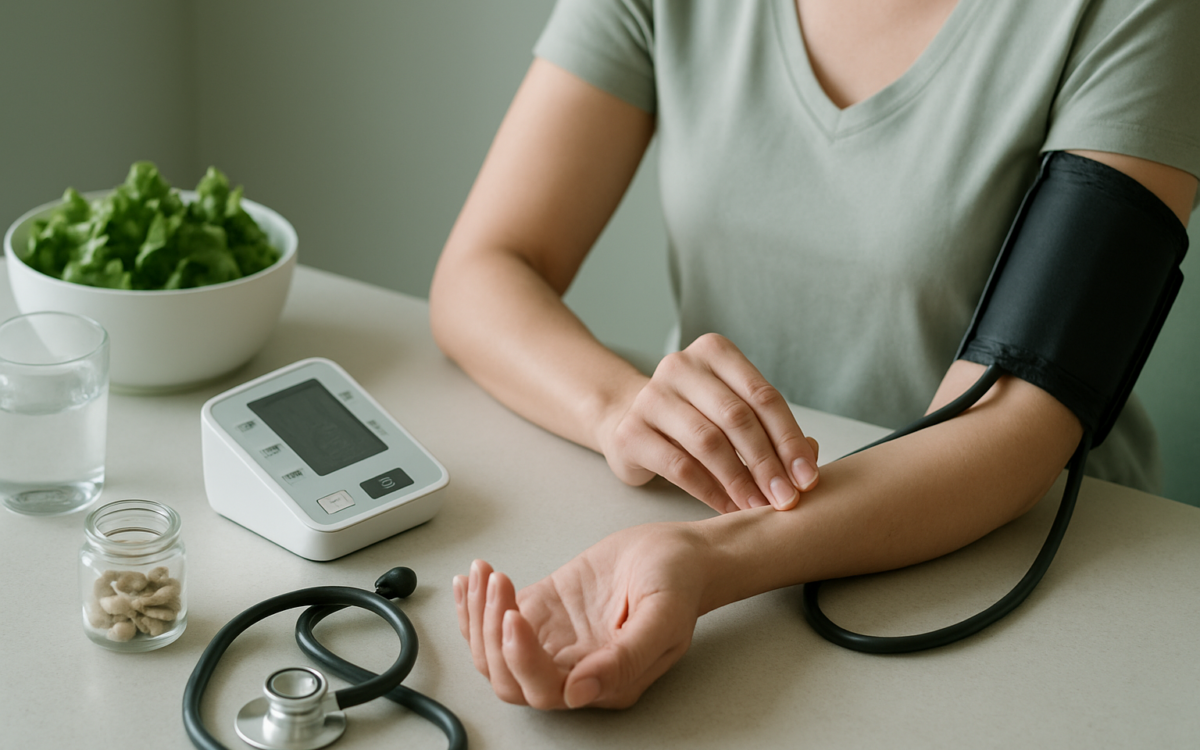
High blood pressure, or hypertension, often sneaks up on people, silently affecting their health. If left unchecked, it can lead to serious issues like heart disease and strokes. However, the good news is that there are many simple lifestyle changes you can make to help lower your blood pressure naturally. In this article, we’ll explore effective techniques to keep your blood pressure in check.
Nutrition: Eating Your Way to Lower Blood Pressure
Your diet plays a crucial role in managing your blood pressure. Here are some dietary adjustments that can make a difference:
- Adopt the DASH Diet: The Dietary Approaches to Stop Hypertension (DASH) is rich in fruits, vegetables, whole grains, and lean protein. It emphasizes reducing salt intake and encourages potassium-rich foods, which can help lower blood pressure.
- Limit Sodium: Aim for less than 2,300 mg of sodium per day, or even lower if possible. Reading labels and choosing fresh ingredients over processed foods can greatly reduce your sodium intake.
- Focus on Whole Foods: Reduce processed food consumption and increase whole foods, such as vegetables, fruits, nuts, seeds, and legumes, which are packed with essential nutrients.
Stay Active: Exercising for Heart Health
Regular physical activity is one of the best ways to reduce blood pressure. It doesn’t mean you have to hit the gym every day; here are some enjoyable options:
- Cardiovascular Exercise: Activities like walking, cycling, swimming, or jogging can help lower blood pressure significantly. Aim for at least 150 minutes of moderate exercise each week, which breaks down to about 30 minutes most days.
- Strength Training: Incorporating strength training at least twice a week can also contribute to better blood pressure control.
- Incorporate Movement into Daily Life: Take stairs instead of elevators, walk during lunch breaks, or do gardening. These little changes add up!
The Power of Stress Management
Managing stress is essential for maintaining healthy blood pressure levels. Chronic stress can lead to poor eating habits and increased alcohol or tobacco use, which can raise blood pressure.
- Practice Mindfulness: Techniques such as meditation, yoga, and deep breathing exercises can help alleviate stress. Even a few minutes a day can make a difference.
- Connect with Loved Ones: Spending time with friends and family or joining support groups can help buffer stress. Regular social interactions contribute to emotional well-being.
- Establish a Balance: Make time for hobbies or activities that you enjoy and ensure you have a work-life balance.
Weight Management and Alcohol Consumption
Maintaining a healthy weight can also influence blood pressure levels. Here are ways to manage your weight and alcohol intake:
- Set Realistic Goals: If you’re overweight, even a modest weight loss of 5-10% can help lower blood pressure.
- Control Portions: Keep an eye on portion sizes and try to fill your plate with healthy, whole foods.
- Watch Your Alcohol: Limit alcohol to moderate levels — up to one drink a day for women and two for men. Excessive consumption can raise blood pressure.
International Treatment Perspectives
Sometimes, exploring treatment options beyond your local healthcare provider can be beneficial. For individuals seeking comprehensive care, centers like Acibadem International offer advanced treatment protocols and lifestyle programs that can help with hypertension management. They provide a range of services, including dietary consultations and tailored exercise programs.
The Importance of Regular Monitoring
Keeping track of your blood pressure can empower you to make necessary changes. Regular monitoring can help you see the effects of your lifestyle changes over time. Here’s how to keep tabs on your blood pressure:
- Home Monitoring: Invest in a home blood pressure monitor for easy tracking. This allows you to measure your blood pressure at various times throughout the day.
- Seek Professional Help: Your doctor can provide insights and help tailor a plan based on your readings. They may recommend specific lifestyle changes and medications if necessary.
When to See a Doctor
If you have concerns about your blood pressure or if you’re experiencing symptoms like severe headaches, vision problems, or chest pain, it’s important to consult a healthcare professional. Regular check-ups and open discussions about your health can lead to better outcomes.
Remember that each body is different, and what works for one person may not work for another. Always consult with your healthcare provider before making significant changes to your lifestyle or diet.
Conclusion
Lowering blood pressure can often be achieved through natural lifestyle changes. With a focus on nutrition, exercise, stress management, weight control, and regular monitoring, you can take significant steps toward better heart health. Every small change makes a difference in your journey to a healthier life.
