
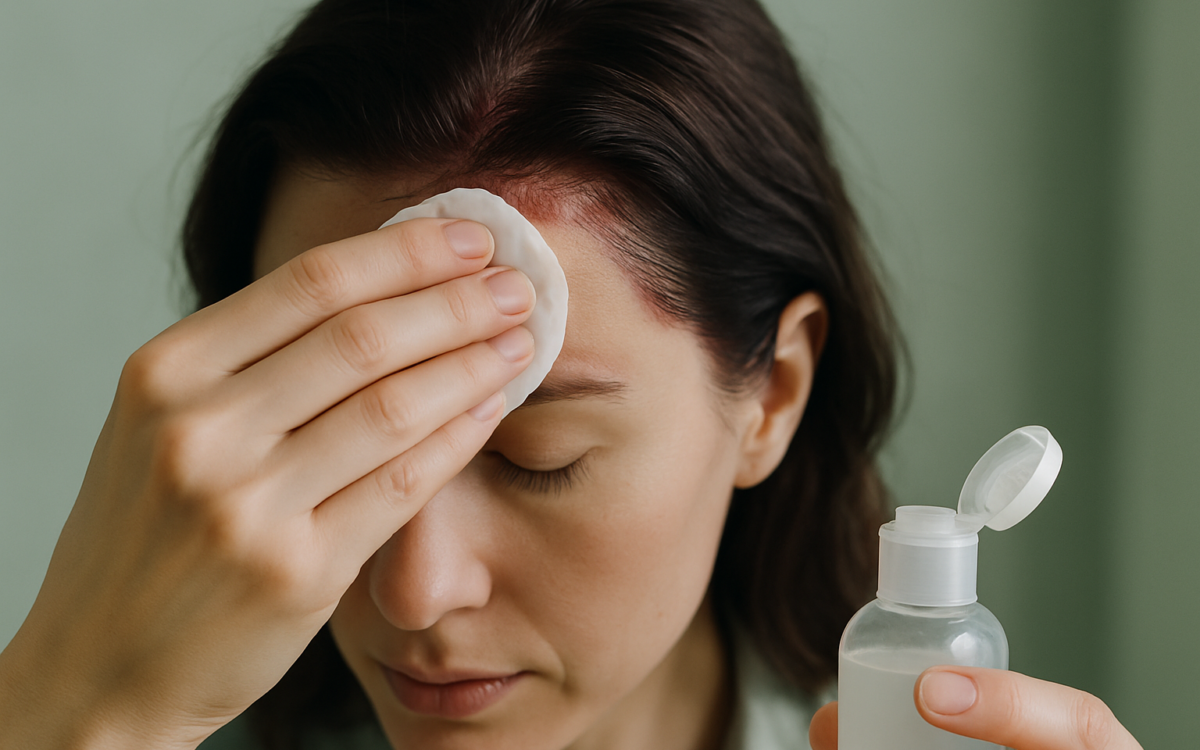
When you’re coloring your hair at home, it’s easy to accidentally get dye on your skin. Whether it’s a small smudge on your forehead or a streak across your cheek, these stains can be frustrating. While hair dye does wash out of hair, it can sometimes cling stubbornly to your skin. However, with the right techniques and products, you can safely and effectively remove those pesky stains.
Why Does Hair Dye Stain Skin?
Hair dye is formulated to penetrate the hair shaft, which is why it can sometimes be tough to wash off your skin. Most dyes contain strong pigments and chemicals that are meant to adhere to hair. When these products touch your skin, the ingredients can cling to the outer skin layer, leading to noticeable stains.
Before You Start: Prevention is Key
While knowing how to remove hair dye from your skin is essential, prevention is always better. Here are a few tips to minimize the chances of staining your skin during hair dyeing:
- Prep your skin: Apply a thin layer of petroleum jelly or a barrier cream around your hairline and on your ears. This simple step can create a barrier that makes it harder for dye to adhere to your skin.
- Use an applicator: If your dye comes with a brush or applicator, use it to minimize overspill. This helps keep the dye where it’s supposed to be.
- Wear gloves: Always wear gloves when applying hair dye. This not only protects your hands but also reduces the risk of transferring dye onto your skin during application.
Effective Home Remedies for Hair Dye Removal
If you do find yourself with dye stains on your skin, don’t panic! Here are some gentle yet effective methods for removing hair dye from your skin using common household items:
1. Soap and Water
Sometimes, all you need is some good old-fashioned soap and water. This is most effective if you catch the dye stain early:
- Wet the stained area with warm water.
- Apply a generous amount of mild soap and gently scrub the area with a washcloth or your fingers.
- Rinse thoroughly and repeat if necessary.
2. Olive Oil or Baby Oil
Natural oils can break down the pigments in hair dye. To use this method:
- Apply a small amount of olive oil or baby oil to a cotton ball.
- Gently rub the stained area for about 1-2 minutes.
- Rinse with soap and water.
3. Toothpaste
Toothpaste can be surprisingly effective for removing hair dye stains due to its mild abrasives:
- Use a non-gel toothpaste and apply a small amount directly to the stain.
- Gently scrub with your fingers or a soft brush.
- Rinse thoroughly and wash the area with soap.
4. Baking Soda and Dish Soap Paste
Combining baking soda with dish soap creates a powerful stain remover:
- Mix equal parts baking soda and dish soap to form a paste.
- Apply the paste to the stain and work it into the skin with your fingers.
- Let it sit for a few minutes before rinsing with warm water.
Commercial Products for Hair Dye Removal
If home remedies don’t do the trick, there are commercial products designed for removing hair dye stains from skin. Look for options labeled as stain removers or skin cleansers tailored for hair dye. Always follow the instructions on the packaging closely.
Be sure to patch test any product on a small area of skin first, especially if you have sensitive skin. Some products can cause irritation or adverse reactions.
When to See a Doctor
Although most hair dye stains can be removed easily and safely at home, some situations call for professional help:
- If the stain does not respond to any removal methods after several attempts.
- If you experience redness, swelling, or other signs of irritation that do not improve.
- If the dye has caused a chemical burn or severe allergic reaction; seek immediate medical attention.
For further information about skin reactions, you can refer to resources from the National Library of Medicine or the Mayo Clinic.
Conclusion
Getting hair dye on your skin can be annoying, but with a few simple techniques, you can usually remove the stains effectively. Prevention is the best first step, and if stains do occur, try these home remedies or commercial products. Always consult with a healthcare professional if you experience severe irritation or if the stain doesn’t come off. Happy coloring!
