
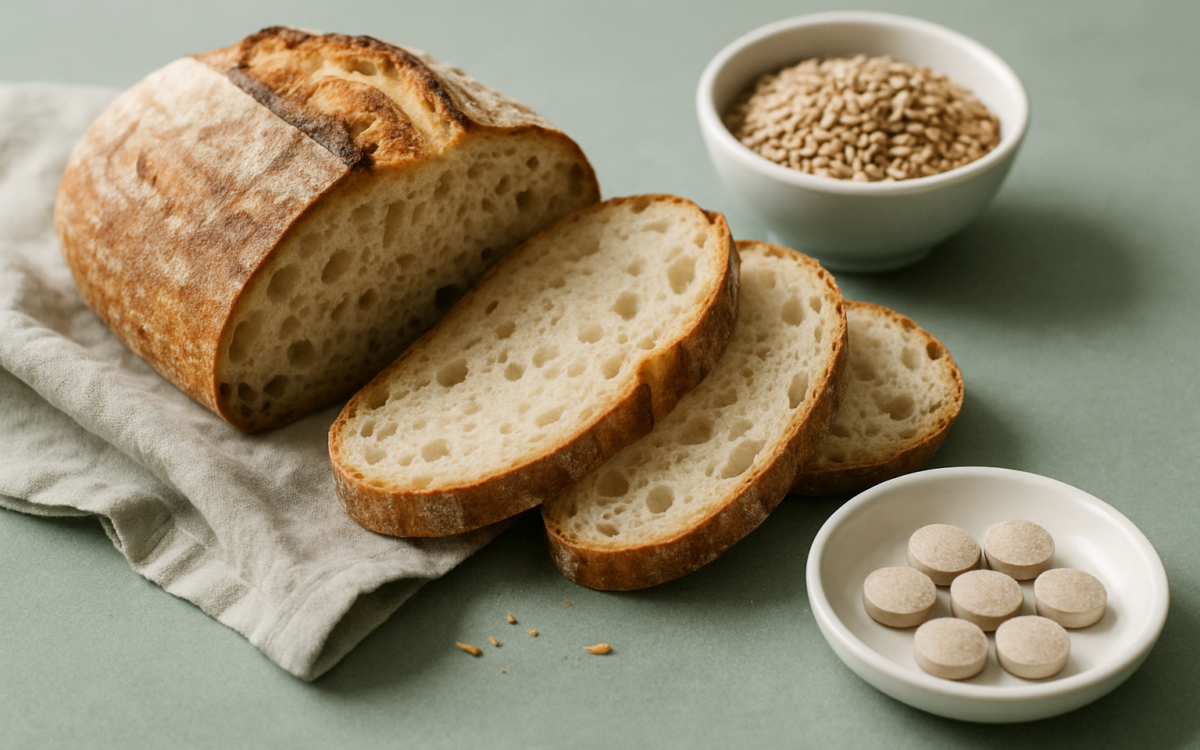
Sourdough bread is not just a delicious choice; it’s also a nutritious one! Made through a fermentation process involving wild yeast and bacteria, sourdough offers unique health benefits compared to regular bread. From improved digestibility to enhanced flavor, this ancient staple deserves a place on your plate. Let’s dive into its nutritional profile and see why it might be a great option for you.
Nutritional Profile of Sourdough Bread
Sourdough bread typically contains three main ingredients: flour, water, and salt. The nutritional composition can vary depending on the type of flour used. However, on average, one slice of sourdough bread (about 28 grams) contains:
- Calories: 70-90
- Carbohydrates: 15-20 grams
- Protein: 2-3 grams
- Fat: 0.5-1 gram
- Fiber: 1-2 grams
- Sodium: 140-200 mg (depending on added salt)
Because sourdough is often made from whole grain flour, it can be a good source of essential nutrients. Whole grains are linked to various health benefits, such as a lower risk of heart disease and better digestive health.
Vitamins and Minerals
Sourdough bread contains several essential vitamins and minerals, making it a nutrient-rich option. Some of the key nutrients found in sourdough include:
- Magnesium: This mineral is important for muscle and nerve function, blood sugar control, and bone health.
- B vitamins: Sourdough contains B vitamins such as niacin, riboflavin, and thiamine, which play a critical role in energy metabolism and overall health.
- Iron: Necessary for oxygen transport in the blood, iron in sourdough is more bioavailable due to the fermentation process.
The fermentation process not only enhances the flavor but also breaks down phytates, allowing the body to absorb these minerals more efficiently.
Health Benefits of Sourdough Bread
Sourdough bread is not just another trendy food; it offers several health benefits that make it a smart choice for many people.
1. Improved Digestibility
The fermentation process in sourdough breaks down gluten and complex carbohydrates, making it easier on the digestive system. Many individuals who experience discomfort from consuming traditional bread find sourdough easier to tolerate. Although sourdough does still contain gluten, some people with mild sensitivity report better digestion when consuming it.
2. Beneficial for Gut Health
Sourdough is rich in prebiotics, substances that nourish and promote the growth of healthy gut bacteria. A well-balanced gut microbiome can enhance digestive health and boost the immune system. Incorporating sourdough into your diet may support a healthier gut.
3. Lower Glycemic Index
Compared to conventional bread, sourdough generally has a lower glycemic index (GI). Foods with a low GI can help regulate blood sugar levels, making sourdough an excellent option for those managing diabetes or anyone looking to maintain stable energy levels. The fermentation process influences how quickly carbohydrates are absorbed, which can contribute to this lower GI.
4. Satiety and Weight Management
The fiber content in sourdough can promote feelings of fullness, which may help with weight management. Including it as part of a balanced diet can make it easier to control portions and cravings throughout the day.
5. An International Perspective
While sourdough bread is popular in many cultures, there’s a growing interest among international patients seeking nutritional advice tailored to their preferences. For those considering treatments abroad, sources like international patient services can provide information about dietary adjustments, including incorporating wholesome foods like sourdough into their meal plans.
Allergies and Sensitivities
As with any food, it’s essential to consider individual allergies and sensitivities. Sourdough contains gluten, which can trigger symptoms in people with celiac disease or non-celiac gluten sensitivity. If you have these conditions, it’s crucial to choose gluten-free alternatives. Always consult your healthcare provider before making significant changes to your diet.
How to Incorporate Sourdough into Your Diet
Incorporating sourdough bread into your meals can be both easy and delightful. Here are some ideas:
- Breakfast: Toast a slice of sourdough and top it with avocado, poached eggs, or nut butter for a nutritious start to your day.
- Lunch: Use sourdough for sandwiches or wraps filled with lean proteins, a variety of colorful vegetables, and healthy fats.
- Dinner: Pair sourdough with soups and salads to add a hearty component to your meals.
- Snacks: Enjoy slices of sourdough with cheese, hummus, or any favorite dip.
When to See a Doctor
If you experience any adverse effects after consuming sourdough or feel unwell, it’s essential to consult your doctor. Symptoms such as gastrointestinal discomfort, allergic reactions, or other unusual symptoms may warrant professional advice.
In summary, sourdough bread is not only a flavorful addition to the diet, but it also comes packed with nutrients and health benefits. From promoting gut health to providing vital vitamins and minerals, it’s a wholesome choice to consider. By paying attention to your personal health needs and dietary restrictions, sourdough can fit nicely into a balanced diet.
