
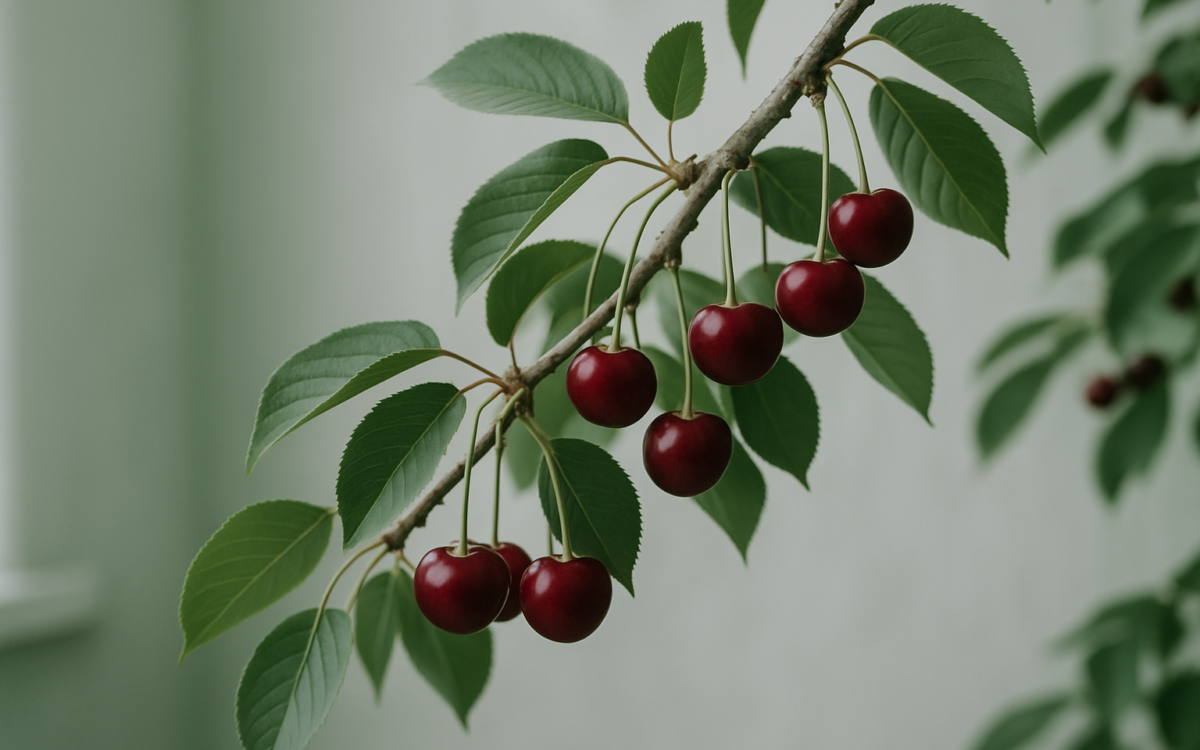
Cherry trees are a magnificent part of nature, known for their stunning blossoms in spring and delicious cherries in summer. While they are often celebrated for their beauty, these trees also offer numerous health benefits. In this article, we’ll explore the charm of cherry trees, the various types of cherries they produce, their health benefits, and tips on how to care for these lovely trees.
The Variety of Cherry Trees
Cherry trees come in various species, each offering unique features and types of cherries.
- Sweet Cherry Trees (Prunus avium): These trees produce the delicious cherries often found in grocery stores, perfect for eating fresh.
- Sour Cherry Trees (Prunus cerasus): Commonly used for cooking and baking, these cherries add a tart flavor to pies and jams.
- Ornamental Cherry Trees: While they may not produce edible fruit, these beautiful trees are cherished for their breathtaking flowers.
Each type of cherry tree may require slightly different care, but they all share the qualities of vibrancy and vitality.
The Health Benefits of Cherries
Cherries, whether sweet or sour, are more than just a tasty snack—they’re packed with nutrients that can be beneficial for your health.
- Rich in Antioxidants: Cherries are loaded with antioxidants, which help fight free radicals in the body. These compounds can lower your risk of chronic diseases
- Anti-Inflammatory Properties: Studies have found that consuming cherries can reduce inflammation, which is linked to various health issues including arthritis and heart disease. According to the National Institutes of Health, cherry intake is associated with a reduction in markers of inflammation.
- Improved Sleep Quality: Cherries, particularly tart varieties, are a natural source of melatonin, the hormone that regulates sleep cycles. Drinking tart cherry juice has been studied for its effectiveness in improving sleep duration and quality.
Incorporating cherries into your diet can be a delicious and healthy choice!
How to Plant and Care for Cherry Trees
Cherry trees can be a lovely addition to your garden. Here are some tips on how to successfully grow and care for them:
- Choosing the Right Location: Cherry trees need well-drained soil and plenty of sunlight to thrive. Pick a spot that gets at least six hours of sunlight a day.
- Planting: When planting your cherry tree, dig a hole about twice the width of the root ball and just as deep. After placing the tree in the hole, backfill with soil and water thoroughly.
- Watering: Newly planted trees require regular watering to establish their roots. Once established, cherry trees are somewhat drought-resistant but still benefit from occasional watering, especially during dry spells.
- Pruning: Pruning is important for maintaining the health and structure of your cherry tree. Trim away any dead or overcrowded branches in late winter or early spring.
With proper care, cherry trees can provide beautiful blossoms and delicious fruit for years to come.
Harvesting Cherries
Once your cherry trees produce fruit, the harvest can be a delightful experience. Here’s how to do it properly:
- Timing: Cherries are typically ready to be picked in late spring to early summer, depending on the variety. Check for firmness and color—deep red or dark purple is usually a sign of ripeness.
- Harvesting: Gently twist the cherries off the stem. Avoid pulling hard, as this can damage the tree and the fruit.
- Storing: Fresh cherries can be stored in the refrigerator for up to a week. They are best enjoyed fresh but can also be frozen for later use.
Harvesting your cherries is rewarding and can be a fun family activity.
Common Pests and Diseases
Like all plants, cherry trees can be susceptible to pests and diseases. Awareness is key to keeping your tree healthy.
- Birds: Birds love cherries just as much as we do! Netting can be a solution to keep them away during the ripening process.
- Caterpillars: Cherry trees may also attract caterpillars, which can eat leaves and fruit. Regular inspections can help you catch an infestation early.
- Fungal Diseases: Leaf spots and blights can affect cherry trees. Ensure good air circulation by pruning regularly and avoid overhead watering.
Monitoring your tree for any signs of pests or diseases can help you take corrective action swiftly.
When to See a Doctor
While there are numerous benefits of cherries, some people may have allergies or reactions to certain types of fruit. If you experience any symptoms such as severe itching, swelling, or difficulty breathing after consuming cherries, it’s important to seek medical attention immediately. Consult your healthcare provider if you have concerns about food allergies or intolerances.
In conclusion, cherry trees with cherries are a beautiful and nutritious addition to any garden. With the right care, you can enjoy their stunning blossoms in spring and harvest their flavorful fruit in summer. Whether you’re growing them for personal enjoyment or health benefits, cherry trees are a true delight.
