
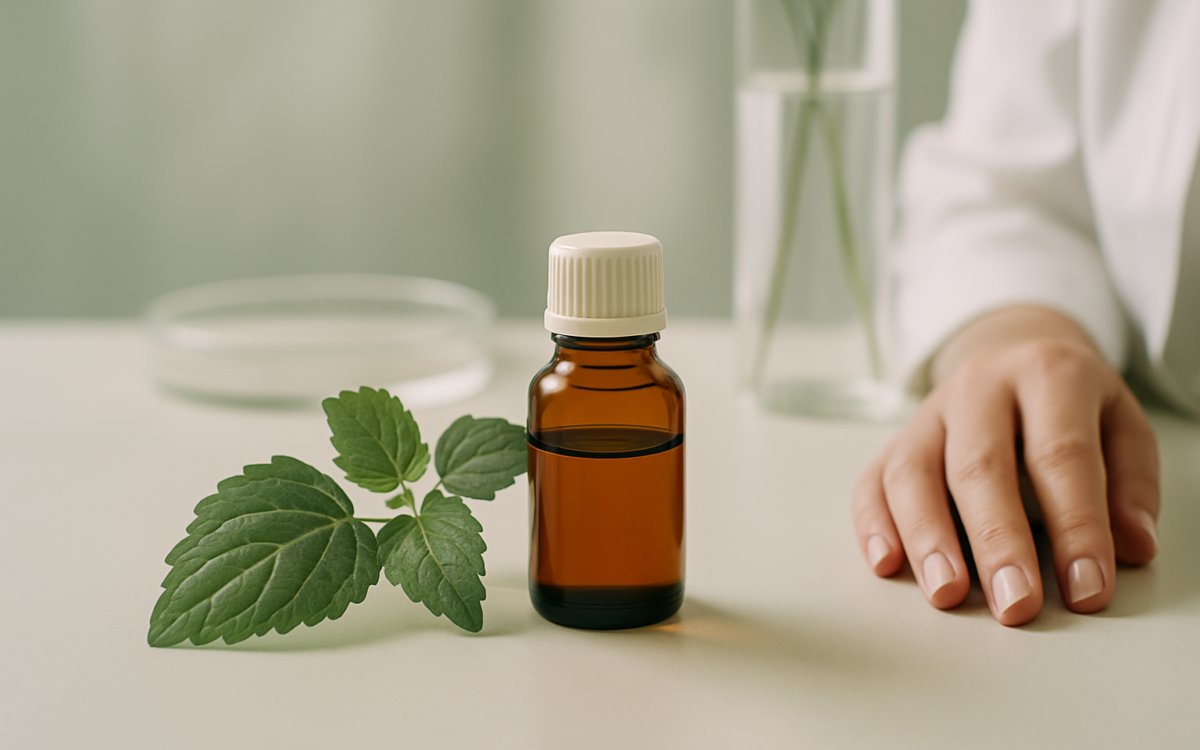
Patchouli oil is often associated with bohemian lifestyles and aromatic perfumes, but its benefits extend far beyond its distinctive scent. Derived from the leaves of the Pogostemon cablin plant, patchouli oil has been utilized for centuries, especially in traditional medicine practices. From skincare to mood enhancement, this oil has a wealth of potential health benefits. In this article, we’ll explore these uses, its effects on mental health, and important considerations regarding safety and application.
What is Patchouli Oil?
Patchouli oil is an essential oil obtained through the steam distillation of patchouli leaves. The scent is musky, earthy, and slightly sweet, making it popular in perfumery and aromatherapy. Beyond its olfactory appeal, patchouli oil is treasured for its versatile uses in wellness.
Benefits for Skin Health
Patchouli oil is renowned for its benefits in skincare, particularly due to its antibacterial and anti-inflammatory properties. It is often used in formulations to:
- Sooth Skin Irritations: The oil can help alleviate minor skin issues like eczema and dermatitis.
- Promote Healing: Its potential to enhance cell regeneration can aid healing wounds and scars.
- Moisturize: Patchouli oil is believed to help combat dryness, making it a popular ingredient in creams and lotions.
However, it is crucial to dilute patchouli oil before use, as essential oils can be potent. Consider a patch test if you are trying it for the first time.
Aromatherapy and Mood Enhancement
The engaging scent of patchouli oil can have uplifting effects on mood. Its use in aromatherapy can help alleviate stress, anxiety, and depression symptoms. Studies suggest that certain essential oils, including patchouli, can influence our emotional states by interacting with the brain’s limbic system, which helps regulate emotions and memories. Inhaling patchouli oil or using it in diffusers may promote feelings of calm and relaxation.
Patchouli Oil in Traditional Medicine
Patchouli has roots in traditional practices, especially in cultures like Ayurvedic medicine. Traditionally, it was used to:
- Assist Digestion: Some proponents claim that patchouli oil may aid digestion and reduce nausea.
- Act as an Insect Repellent: The oil is often used as a natural repellent against mosquitoes and other pests.
Although research on these claims is ongoing, these traditional uses highlight its cultural significance and therapeutic potential.
Safety Precautions and Side Effects
While patchouli oil is generally safe for external use, several precautions should be observed. Individuals should consider:
- Allergic Reactions: Some people may develop skin sensitivities or allergic reactions; always conduct a patch test.
- Pregnancy and Nursing: Pregnant or nursing women should consult their healthcare providers before using patchouli oil.
- Interactions with Medications: People taking other medications should speak with a doctor about potential interactions.
As with any essential oil, moderation is key. Using patchouli oil in diluted form and sparingly can help avoid complications.
When to See a Doctor
If you experience any adverse reactions after using patchouli oil, such as severe skin irritation, difficulty breathing, or unusual symptoms, consult a healthcare professional. Additionally, if you are considering using patchouli oil for a specific health concern, it’s a good idea to discuss it with your healthcare provider.
Conclusion
Patchouli oil is more than just a fragrant reminder of the past; it carries a range of potential health benefits that may enhance your wellness routine. From supporting skin health and mood to embracing traditional medicinal applications, patchouli oil offers a wide array of uses. However, safety should always be prioritized. Understanding its properties and consulting with a healthcare provider can help you make informed choices about incorporating patchouli oil into your lifestyle.
