
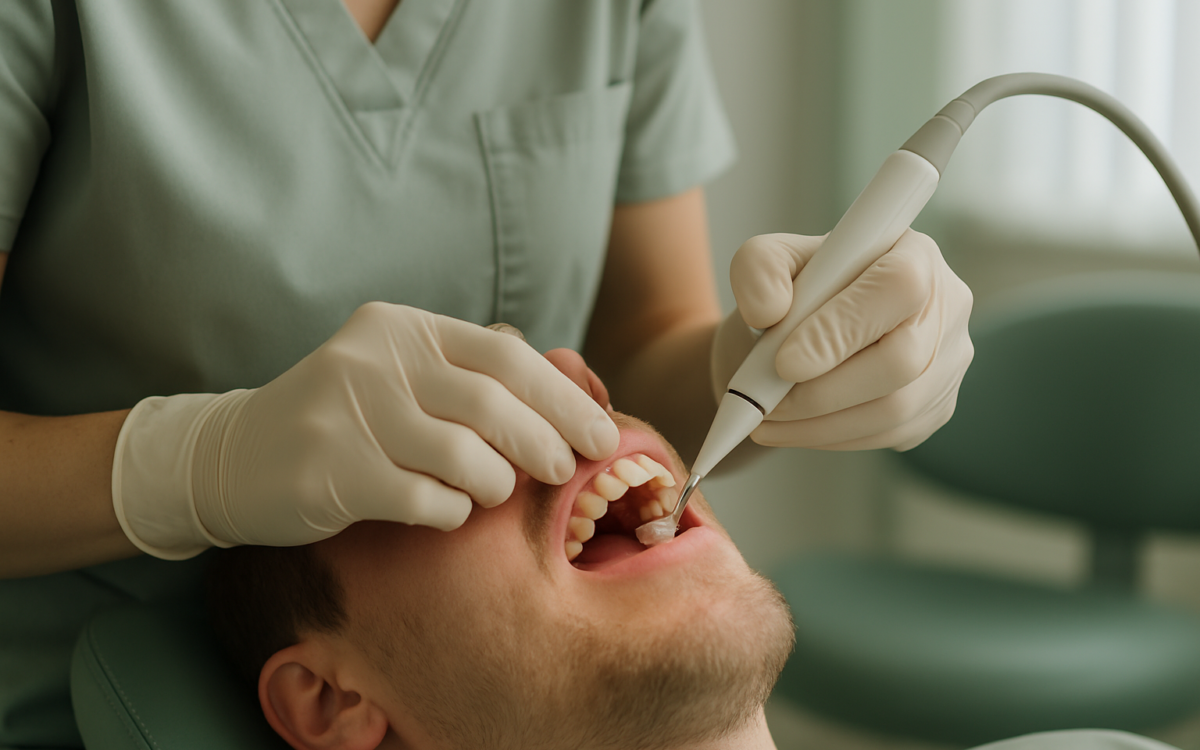
Many of us remember our parents urging us to brush our teeth. While brushing is essential, there’s another equally critical part of dental care that deserves our attention: professional teeth cleaning. This process goes beyond what you can do at home, helping you maintain a healthy smile and overall well-being.
Why Teeth Cleaning Matters
Teeth cleaning is an integral part of oral hygiene that involves the removal of plaque and tartar buildup from your teeth and gums. Plaque, a sticky film of bacteria, can accumulate between dental visits and leads to dental issues if not addressed. According to an NIH study, poor oral hygiene can result in gum disease, cavities, and even heart disease.
Understanding Plaque and Tartar
Plaque forms when sugars and starches interact with the bacteria in your mouth. If not removed through regular brushing and flossing, it can harden into tartar, which is much more difficult to eliminate. Tartar can only be removed by a dental professional during a teeth cleaning session. The buildup of both plaque and tartar can lead to inflammation of the gums, known as gingivitis, indicating the need for prompt care.
The Connection Between Oral Health and Overall Health
There’s more at stake than just your smile. Research shows that poor oral health can lead to systemic health issues. The CDC highlights links between gum disease and conditions such as diabetes, respiratory disease, and even dementia. Keeping your teeth clean isn’t just about aesthetics; it contributes to your overall health.
The Teeth Cleaning Process
So, what happens during a professional teeth cleaning? Here’s a breakdown of the steps involved:
- Assessment: Your dental hygienist will begin by examining your mouth, looking for signs of gum disease, cavities, or other issues.
- Scaling: The dental hygienist uses specialized instruments to remove plaque and tartar from your teeth. This process may include ultrasonic scalers and hand-held tools.
- Polishing: After scaling, the teeth are polished with a gritty toothpaste, which helps remove surface stains, leaving your teeth smooth and bright.
- Flossing: The hygienist will also floss your teeth, ensuring the spaces between your teeth are clean.
- Fluoride Treatment (optional): Sometimes, a fluoride treatment is applied to help strengthen the enamel on your teeth and make them more resistant to decay.
How Often Should You Get Your Teeth Cleaned?
The American Dental Association (ADA) recommends that adults have a professional teeth cleaning every six to twelve months, depending on individual oral health needs. Factors that may influence how often you should visit the dentist include:
- History of gum disease
- Presence of cavities
- Smoking or tobacco use
- Existing medical conditions, such as diabetes
At-Home Care Between Cleanings
While professional cleanings are essential, daily care is crucial for maintaining oral health. Follow these tips to keep your teeth clean between dental visits:
- Brush Twice Daily: Use a fluoride toothpaste and brush for at least two minutes.
- Floss Daily: Flossing helps remove food particles and plaque from areas your toothbrush can’t reach.
- Limit Sugary Foods and Drinks: Sugar promotes plaque buildup and tooth decay, so try to minimize your consumption.
- Stay Hydrated: Water helps rinse away food particles and bacteria, making it a friendly ally for your teeth.
Common Myths About Teeth Cleaning
Despite the importance of teeth cleaning, several myths circulate about the process that may keep some people from seeking proper care. Here are a few:
- Myth: Teeth cleaning is painful. While some people may experience discomfort, modern techniques and anesthesia options have greatly reduced pain associated with dental cleanings.
- Myth: Once you have a good oral care routine, teeth cleaning isn’t necessary. Even the best at-home hygiene cannot replace the thorough cleaning provided by a professional.
- Myth: Teeth cleaning is only for people who have dental problems. Routine cleanings are crucial for everyone to prevent dental issues before they start.
When to See a Doctor
While regular teeth cleaning is vital, there are times when you should contact your dentist outside of your scheduled visits:
- You experience persistent bad breath.
- Your gums bleed when brushing or flossing.
- You notice sensitivity to hot or cold beverages.
- You have a tooth that is discolored or feels loose.
If you experience any of these symptoms, it’s essential to consult with your dentist for further evaluation.
Conclusion
Taking care of your teeth through regular cleanings is one of the best investments you can make in your health. From preventing gum disease to improving your overall well-being, the benefits are clear. Make sure to schedule your appointments and maintain your at-home care routine for a bright and healthy smile.
