
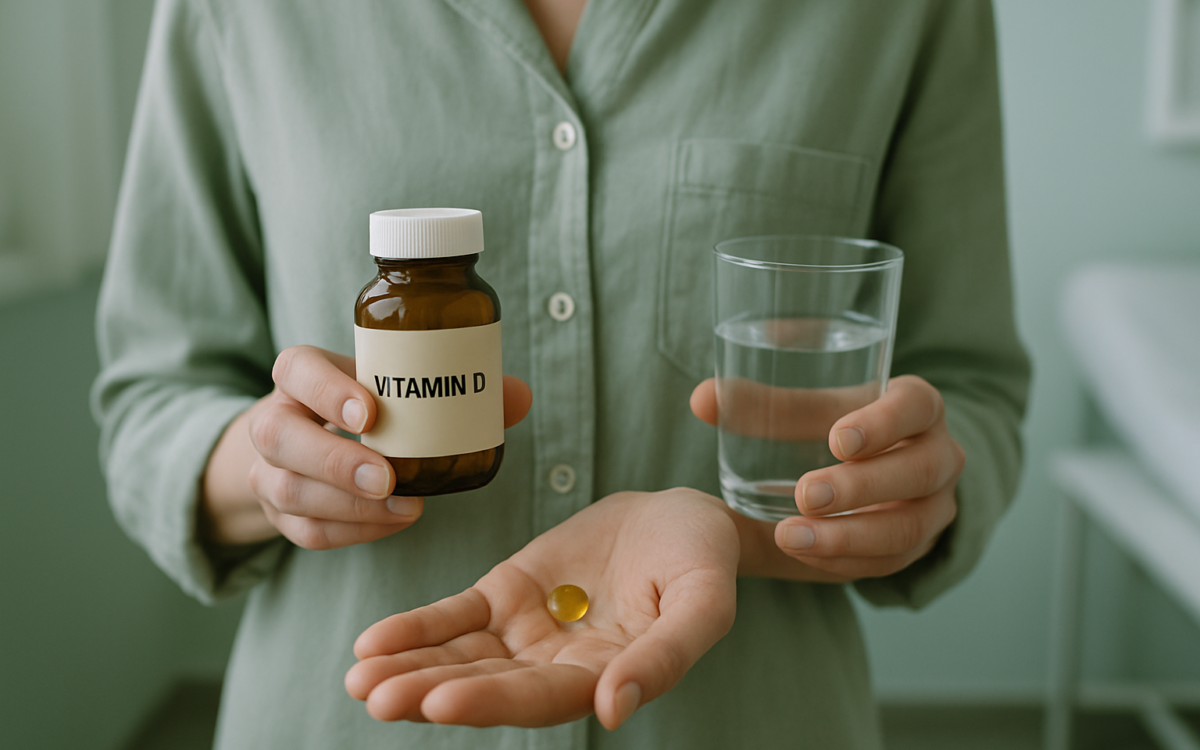
Vitamin D is often called the “sunshine vitamin” because our bodies produce it when exposed to sunlight. However, many people struggle to get enough vitamin D through sunlight alone. This can lead to questions about how and when to take vitamin D supplements. Understanding the best times and ways to incorporate vitamin D into your daily routine is key for maintaining good health.
Why Vitamin D is Important
Vitamin D plays a crucial role in several bodily functions. It helps regulate calcium and phosphorus in the body, which are essential for healthy bones and teeth. It also supports immune function, reduces inflammation, and may help influence mood. Research has shown that low levels of vitamin D can lead to health issues like osteoporosis, weakened immunity, and even increased risk of certain diseases. For more information, you can visit sources like the National Institutes of Health.
Types of Vitamin D
There are two primary forms of vitamin D: D2 (ergocalciferol) and D3 (cholecalciferol). D2 usually comes from fungal sources, while D3 is found in animal products and is also the form produced when your skin is exposed to sunlight. D3 is often preferred in supplements due to its superior effectiveness in raising vitamin D levels in the blood.
When to Take Vitamin D Supplements
The best time to take vitamin D can depend on several factors, including how it is absorbed by the body. Vitamin D is fat-soluble, which means it is best absorbed when taken with food that contains fat. This leads to the question of whether it’s better to take it in the morning or evening.
Morning or Evening?
Although there isn’t a definitive answer, many experts suggest taking vitamin D in the morning. Some studies indicate that taking it too late in the day could interfere with sleep patterns. However, the most crucial factor is consistency. Try to take vitamin D at the same time each day, whether that’s breakfast or dinner.
Consider Your Dietary Sources
Before deciding when to take vitamin D, consider your dietary habits. Foods rich in vitamin D include fatty fish like salmon, fortified dairy products, and eggs. If you consume these foods regularly, you may already be getting adequate amounts of vitamin D. For those who don’t get enough from food or sun exposure, supplements may be necessary.
Sun Exposure and Vitamin D
Sun exposure is one of the most natural ways to obtain vitamin D. Just 10 to 30 minutes of sunlight several times a week can boost your vitamin D levels significantly. However, this varies based on location, skin type, and the time of year. During winter months or in regions with limited sunlight, supplements can help fill the gap. Individuals with darker skin may also need more sun exposure to produce enough vitamin D.
How Much Vitamin D Do You Need?
The recommended dietary allowance (RDA) for vitamin D varies by age, gender, and life stage. For adults, the RDA is about 600-800 IU (International Units) per day. However, some studies suggest that higher doses may benefit certain populations, but always consult with a healthcare professional before starting any new supplement regimen.
Signs of Vitamin D Deficiency
Low vitamin D levels can be asymptomatic, but there are signs to watch for. Symptoms may include chronic fatigue, bone pain, muscle weakness, and frequent illness. If you suspect you might be deficient, a simple blood test can determine your vitamin D levels. A healthcare provider, such as those found through the Mayo Clinic, can help interpret the results and recommend a supplementation strategy.
When to See a Doctor
If you are experiencing symptoms of deficiency, have health concerns, or are unsure about your vitamin D levels, it’s time to see a healthcare provider. They can provide guidance on testing and offer personalized recommendations based on your lifestyle, diet, and sun exposure.
Conclusion
Understanding when to take vitamin D can make a significant difference in your overall health. Whether you choose to obtain it through sun exposure, food, or supplements, it’s essential to tailor your approach to fit your personal needs. Consistency, along with a mindful approach to diet and lifestyle, can help ensure you’re getting enough of this vital nutrient.
