
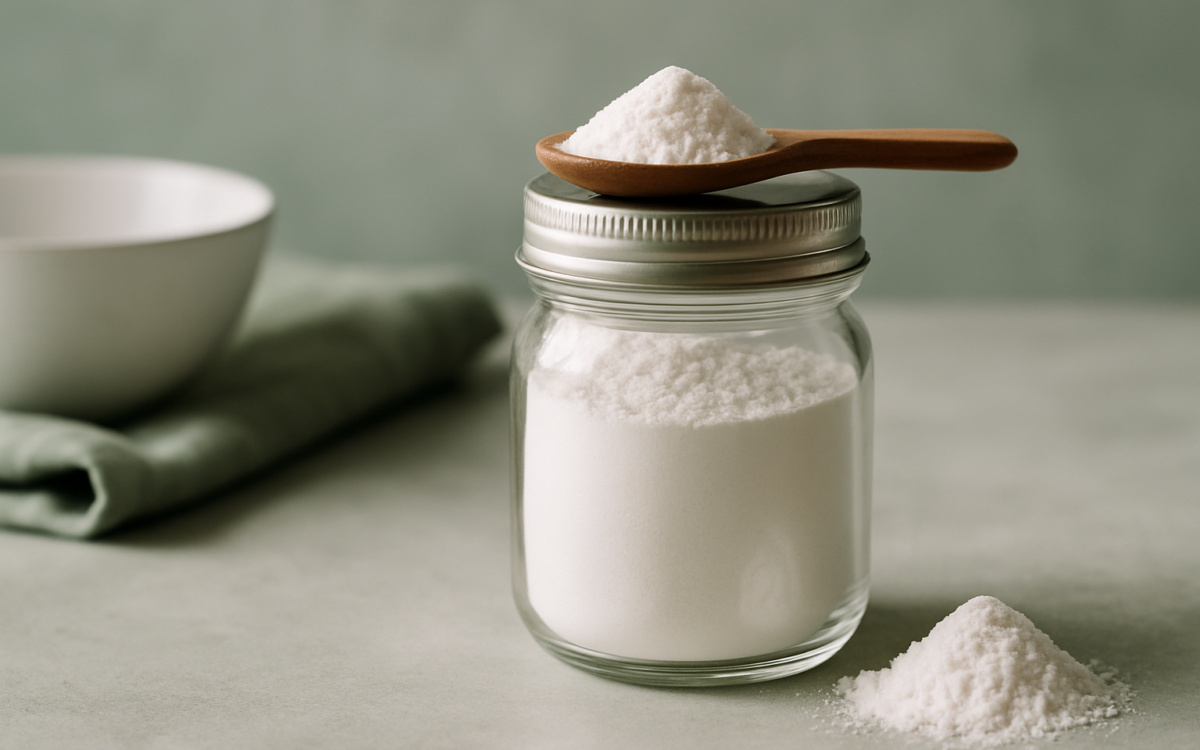
Cream of tartar might not be a staple in every kitchen, but it serves various purposes that extend beyond its role in baking. Known for its distinctive name, this white powder can be surprisingly versatile. Whether you’re trying to perfect your meringues or dive into a few home remedies, understanding cream of tartar can elevate your cooking and health repertoire.
What Is Cream of Tartar?
Cream of tartar, scientifically known as potassium bitartrate, is a byproduct of the winemaking process. It forms naturally when grape juice ferments into wine, leaving behind this acidic powder. Though often overlooked, it’s a vital ingredient in many culinary applications.
Common Uses in Cooking and Baking
In the culinary world, cream of tartar shines as a baking aid. Here are some of its common uses:
- Stabilizing Egg Whites: When whipped into egg whites, cream of tartar helps stabilize the mixture, making it ideal for meringues, soufflés, and angel food cakes.
- Preventing Sugar Crystallization: In candy making, adding cream of tartar to sugar syrup can prevent the sugar from crystallizing, ensuring a smooth texture.
- Baking Powder Substitute: If you’re out of baking powder, you can combine cream of tartar with baking soda to create a substitute (1 part baking soda to 2 parts cream of tartar).
Health Benefits and Nutritional Information
Cream of tartar is not just beneficial in the kitchen; it also has some interesting health aspects. Here are a few:
- Rich in Potassium: Cream of tartar is an excellent source of potassium, a vital mineral that helps regulate blood pressure, maintain fluid balance, and support nerve and muscle function.
- Possible Antioxidant Properties: Some studies suggest that the antioxidants present in cream of tartar can help in detoxifying the body. However, more research is needed to confirm these effects.
- Home Remedies: Due to its alkaline nature, cream of tartar is sometimes used in home remedies for various ailments, such as heartburn or as a natural laxative when combined with water.
Cleaning Hacks with Cream of Tartar
Beyond cooking, cream of tartar serves as an effective cleaning agent. Here are a few tips on how to use it around your home:
- Homemade Cleaners: Mix cream of tartar with vinegar or lemon juice to create a powerful cleaner for countertops and sinks.
- Whitening Grout: Combine cream of tartar with hydrogen peroxide to form a paste that can help clean and whiten grout.
Precautions and Potential Side Effects
While cream of tartar is generally safe for most people when used in cooking or baking, there are some things to keep in mind:
- Allergic Reactions: Though rare, some people may experience allergic reactions to cream of tartar. Symptoms can include skin rashes or gastrointestinal issues.
- High Potassium Levels: Individuals with kidney issues or those on certain medications (such as potassium-sparing diuretics) should consult a healthcare professional before using cream of tartar due to its high potassium content.
When to See a Doctor
If you experience unusual symptoms or suspect an allergic reaction after using cream of tartar, it is important to seek medical advice. Additionally, if you have kidney problems or are on medications that affect potassium levels, consult your healthcare provider before incorporating cream of tartar into your diet.
Conclusion
Cream of tartar is more than just an ingredient in your kitchen—it’s a versatile compound with potential health benefits and a range of practical applications. Whether you’re baking fluffy meringues, using it as a home remedy, or cleaning up stubborn stains, understanding how to make the most of cream of tartar can enhance both your culinary skills and wellness routine.
