
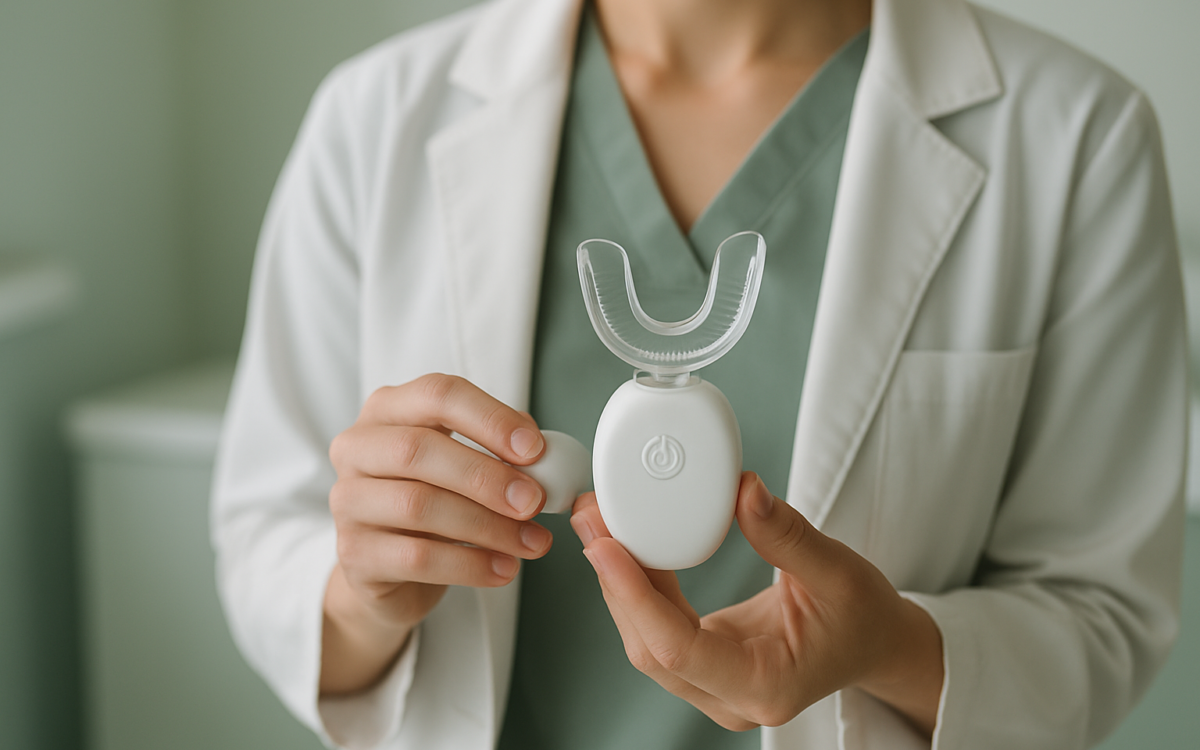
A bright, white smile can enhance your confidence and make a lasting impression. Many people seek ways to achieve whiter teeth, leading to a variety of products and methods available in the market. But with so many options, how do you know which are the most recommended teeth whitening solutions? Here, we will explore some of the most effective methods backed by dental professionals, helping you make an informed choice.
Understanding Teeth Discoloration
Before diving into the whitening options, it’s essential to understand why our teeth can become discolored. Factors contributing to tooth discoloration include:
- Age: As we get older, the outer enamel wears down, revealing the yellower dentin underneath.
- Diet: Foods and beverages, such as coffee, tea, red wine, and certain fruits, can stain teeth.
- Tobacco use: Smoking or chewing tobacco can lead to significant discoloration.
- Dental hygiene: Poor oral care can lead to plaque buildup, making teeth appear dull.
Most Recommended At-Home Whitening Methods
At-home whitening kits are popular for their convenience and affordability. Here are some of the most highly recommended options:
Whitening Strips
These thin, flexible strips coated with a whitening gel can effectively lighten teeth. The gel usually contains hydrogen peroxide or carbamide peroxide, both of which can penetrate the enamel and break down stains. Most brands suggest using the strips daily for about a week to see noticeable results. A systemic review found that whitening strips can produce visible whitening with minimal side effects, often making them a go-to option for many seeking brighter teeth (NIH).
Whitening Toothpaste
Whitening toothpaste contains mild abrasives and chemical agents that help remove surface stains. Though they may not produce dramatic results, they can maintain the brightness of teeth after other treatments. Look for products that are ADA-approved to ensure safety and efficacy.
Whitening Trays
These customizable trays are filled with a whitening gel, allowing for better coverage. Many brands offer over-the-counter options, but for the most effective results, dentist-provided trays might be preferable. According to the Mayo Clinic, these professionally made trays can ensure that the gel remains in contact with teeth long enough to be effective.
Professional Whitening Treatments
For those seeking quicker and more noticeable results, professional whitening treatments at a dental office are a great option.
In-Office Whitening
This procedure typically takes about an hour and can lighten teeth several shades in just one session. Dentists apply a stronger whitening solution, often activated by heat or light, which speeds up the whitening process. Research in peer-reviewed journals shows that in-office treatments can yield immediate and dramatic results, making them a popular choice (Cleveland Clinic).
Prescription Whitening Products
For patients with more severe discoloration, dentists can provide prescription-strength whitening products. These may include stronger gels and customized trays designed to target specific areas of concern. While these treatments can be more effective, it’s essential to follow the dentist’s guidance.
Whitening Myths and Misconceptions
With so much information circulating about teeth whitening, it’s vital to distinguish between fact and fiction. Here are some common misconceptions:
- Whitening products damage enamel: When used correctly, most whitening products are safe and do not harm enamel. Always follow product directions and consult your dentist.
- All whitening products are equal: There is significant variance in strength and efficacy. Professional treatments generally show quicker and more dramatic results compared to over-the-counter options.
- Whitening is for everyone: Some individuals with sensitive teeth, gum disease, or certain dental issues should consult their dentist before whitening, as some treatments may not be suitable.
Important Considerations
While teeth whitening can lead to a brighter smile, there are several factors to consider:
- Sensitivity: Many whitening methods can cause temporary tooth sensitivity. Discuss this with your dentist if you have concerns.
- Duration of results: Results vary; lifestyle choices (like smoking or consuming staining foods) can affect how long whitening lasts.
- Overall dental health: Good oral hygiene and regular dental check-ups are essential for maintaining a healthy smile.
When to See a Doctor
If you experience persistent tooth sensitivity, pain, or discoloration that doesn’t improve with over-the-counter treatments, consider consulting a dentist. In some cases, underlying dental issues may need to be addressed before successful whitening can occur.
Conclusion
The journey to a radiant smile is personal, and the right whitening method for you depends on your individual needs and goals. Whether you choose at-home solutions or professional treatments, staying informed allows you to make the best choices for your dental health. Speak with your dentist about the most recommended teeth whitening options to achieve the dazzling smile you desire.
