
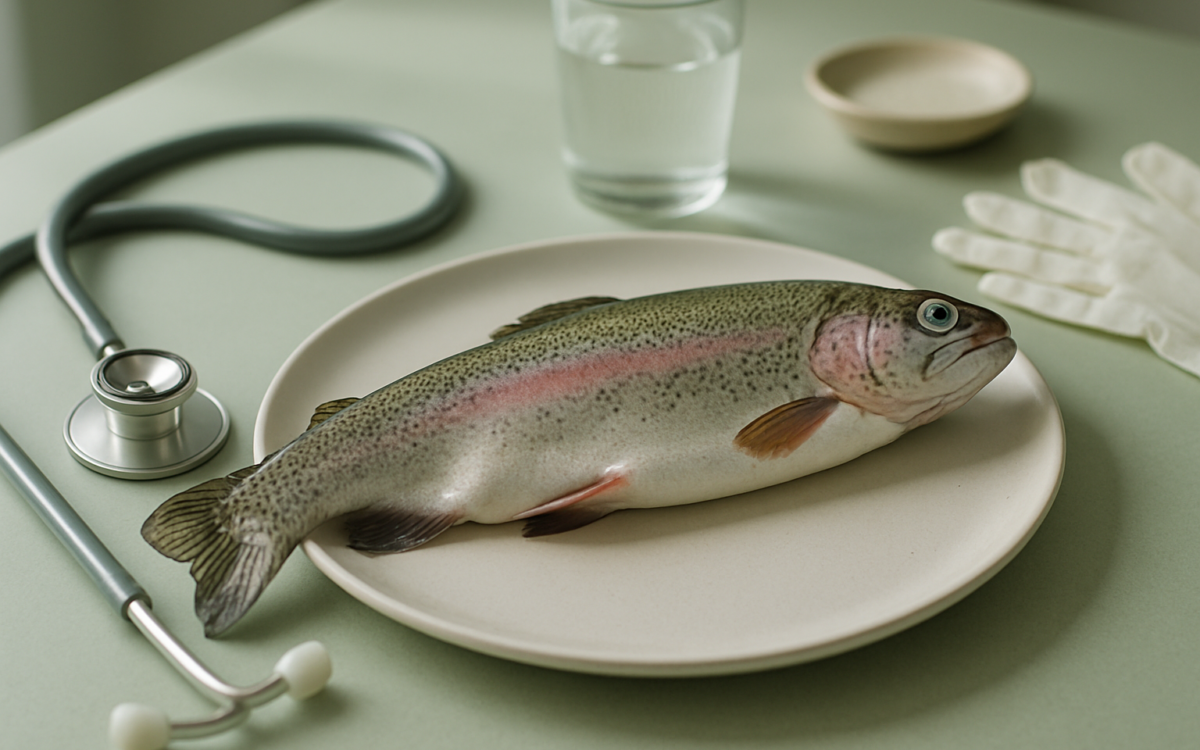
Rainbow trout is not just a vibrant addition to our rivers and lakes; it’s also a delicious and nutritious fish that can enhance your health. Known for its versatility in cooking and rich flavor, this freshwater fish offers a host of benefits that make it a fantastic choice for your meals. In this article, we’ll dive into the nutritional profile of rainbow trout, explore its health benefits, discuss cooking methods, and provide some delicious recipe ideas.
Nutritional Profile of Rainbow Trout
Rainbow trout is packed with essential nutrients that contribute to a balanced diet. A typical serving of cooked rainbow trout contains about 22 grams of protein, making it an excellent source of this vital macronutrient. Moreover, it is rich in healthy fats, particularly omega-3 fatty acids, which are known for their heart-healthy properties.
Vitamins and Minerals
In addition to protein and healthy fats, rainbow trout is also a great source of several important vitamins and minerals:
- Vitamin B12: Essential for nerve health and red blood cell formation.
- Vitamin D: Crucial for bone health and immune function.
- Selenium: An antioxidant that plays a role in metabolism and thyroid function.
- Phosphorus: Important for healthy bones and teeth, as well as energy production.
The combination of these nutrients makes rainbow trout an excellent choice for supporting overall health.
Health Benefits of Eating Rainbow Trout
Incorporating rainbow trout into your diet can provide several health benefits:
- Heart Health: The omega-3 fatty acids found in rainbow trout are especially beneficial for heart health. They can help lower blood pressure, reduce triglycerides, and decrease the risk of heart disease (National Institutes of Health).
- Brain Function: Omega-3 fatty acids are also known to support brain health, potentially reducing the risk of cognitive decline as we age. Fish consumption is associated with improved memory and reduced risk of Alzheimer’s disease.
- Weight Management: The high protein content in rainbow trout promotes feelings of fullness, which can aid in weight management and help reduce unhealthy snacking.
- Reduced Inflammation: Eating fish like rainbow trout may help lower levels of inflammation in the body, which is linked to various chronic diseases.
Cooking Methods for Rainbow Trout
The mild flavor and delicate texture of rainbow trout make it a versatile ingredient in the kitchen. Here are some popular cooking methods:
- Grilling: Grilling rainbow trout enhances its natural flavor and can be done quickly. Simply season with herbs and spices, then grill for about 5-7 minutes per side.
- Baking: Baking trout in the oven is a healthy and straightforward method. Wrap the fish in foil with vegetables and seasonings, and bake at 400°F for about 15-20 minutes.
- Pan-Frying: For a crispy texture, pan-fry rainbow trout in a little olive oil. Coat it in flour for an added crunch.
- Smoking: Smoked rainbow trout can be used in salads or as a savory snack. The smoking process adds a rich flavor that compliments a variety of dishes.
Delicious Rainbow Trout Recipes
Here are a few easy recipes to help you incorporate rainbow trout into your diet:
Grilled Rainbow Trout with Lemon-Dill Sauce
Ingredients:
- 2 rainbow trout fillets
- 1 lemon, juiced
- 2 tablespoons fresh dill, chopped
- 2 tablespoons olive oil
- Salt and pepper to taste
Instructions:
- Preheat the grill to medium-high heat.
- In a small bowl, mix lemon juice, dill, olive oil, salt, and pepper.
- Brush the mixture over the trout fillets.
- Grill each side for 5-7 minutes, until cooked through and flaky.
Baked Rainbow Trout with Vegetables
Ingredients:
- 1 whole rainbow trout, cleaned
- 1 cup cherry tomatoes
- 1 zucchini, sliced
- 1 red onion, sliced
- 2 tablespoons olive oil
- Salt and pepper to taste
Instructions:
- Preheat oven to 400°F.
- Place vegetables in a baking dish and drizzle with olive oil, salt, and pepper.
- Place the trout on top of the vegetables and season the fish.
- Bake for 20 minutes or until the trout is cooked through.
When to See a Doctor
If you experience any unusual symptoms after eating fish or have concerns about allergies, gastrointestinal issues, or food safety, consult your healthcare provider. They can offer guidance on dietary choices and any necessary testing.
In conclusion, rainbow trout is more than just a beautiful fish; it’s a powerhouse of nutrition that can greatly benefit your health. Its versatility in cooking allows you to enjoy it in many delicious ways. So, why not add some rainbow trout to your next meal for a tasty and healthy dining experience?
