
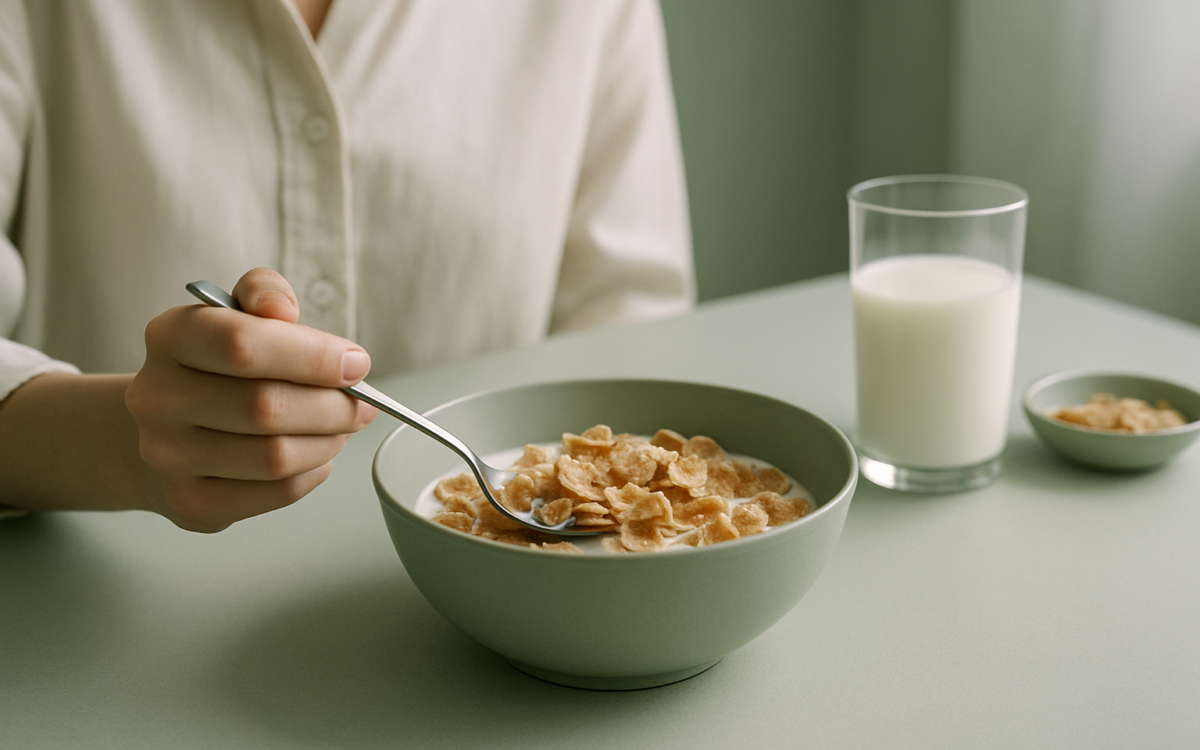
Starting your day with a bowl of cereal can be more than just a quick breakfast option; it can also provide important nutrients to fuel your body. From whole grains to added vitamins, cereal can fit into various diets. But not all cereals are created equal. Let’s explore what makes the perfect bowl of cereal and how to choose wisely.
The Nutritional Benefits of Cereal
Cereal can be a great source of essential nutrients. Many cereals are fortified with vitamins and minerals, making them a convenient way to boost your intake of necessary nutrients, like iron and B vitamins. Furthermore, whole grain cereals contain more fiber than their refined counterparts, which is beneficial for digestion and may promote heart health.
Whole Grains vs. Refined Grains
When selecting a cereal, it’s vital to understand the difference between whole grains and refined grains. Whole grains include all parts of the grain – the bran, germ, and endosperm – which means they are richer in nutrients and fiber. In contrast, refined grains have been processed to remove the bran and germ, stripping away many nutrients.
Nutrition guidelines recommend consuming more whole grains as part of a balanced diet. A bowl of cereal made from whole grains can provide lasting energy throughout the morning. When shopping for cereal, look for products with whole grains listed as the first ingredient. The American Heart Association emphasizes the benefits of whole grains in reducing the risk of heart disease (source).
If Not Cereal, Then What?
While a bowl of cereal is a convenient breakfast option, it’s not the only choice. Some people may prefer other breakfast foods like oatmeal, yogurt, or smoothies. Others might enjoy international options, such as congee or muesli. When considering your breakfast options, think about what will keep you feeling satiated and energized.
If you’re looking for international perspectives on breakfast, it might be helpful to explore international patient services that provide recommendations on healthy eating practices from various cultures.
Choosing the Right Cereal
To choose the best cereal for your morning routine, keep in mind these key factors:
- Low Sugar Content: Look for cereals that contain less than 6 grams of sugar per serving. Excessive sugar can lead to energy crashes and contribute to weight gain.
- High Fiber: Aim for at least 3 or more grams of fiber per serving. Fiber aids digestion and helps you feel full longer.
- Whole Grains: As mentioned, opt for cereals that list whole grains as one of the primary ingredients.
- Limited Additives: Be cautious of cereals with artificial flavors, colors, or preservatives.
By paying attention to these criteria, you can make informed decisions that align with your health goals.
What to Add to Your Cereal
A bowl of cereal is a blank canvas for various toppings and additions. While a bowl of cereal may be nutritious on its own, it can be made even healthier with some thoughtful additions. Consider these options:
- Fresh Fruits: Adding sliced bananas, berries, or apples can enhance flavor and nutrition.
- Nuts and Seeds: Almonds, walnuts, flaxseeds, and chia seeds can boost healthy fats and protein content.
- Yogurt: Swapping milk for yogurt can provide a creamier texture and additional probiotics.
Experiment with different combinations to find what you enjoy most while maximizing your nutrient intake.
When to See a Doctor
If you experience any adverse reactions after eating cereal, such as digestive discomfort, or if you have specific dietary concerns like gluten intolerance or allergies, consult your healthcare provider. They can guide you on the best dietary choices for your individual health needs.
In summary, a bowl of cereal can be a versatile and nutritious addition to your breakfast routine. By choosing wisely and considering what to add, you can create a well-balanced meal that suits your lifestyle and health goals.
