
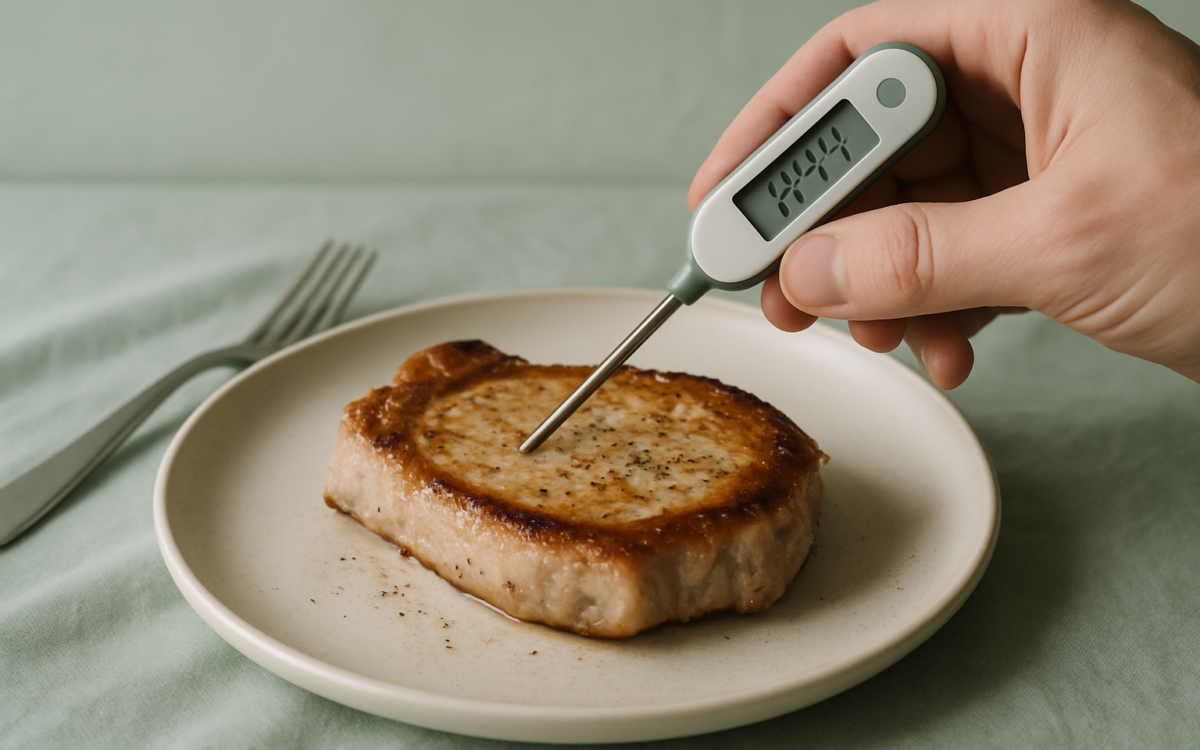
Pork chops are a delicious and versatile meat option, perfect for weeknight dinners or weekend gatherings. However, achieving the ideal texture and flavor while ensuring food safety can be a bit challenging. One essential aspect of cooking pork chops is understanding their internal temperature. This article will guide you through the recommended temperatures for pork chops and how to achieve the best results in your cooking.
Understanding Pork Chop Cuts
Pork chops come in various cuts, each with unique characteristics and cooking requirements. Some popular cuts include:
- Loin chops: Cut from the back, these are lean and tender.
- Rib chops: Known for their flavor, they contain more fat and are often considered the most flavorful.
- Shoulder chops: These are richer in flavor but require longer cooking times due to more connective tissue.
- Blade chops: These fall between loin and shoulder chops, offering a balance of tenderness and flavor.
Understanding the differences in cuts will help you choose the right pork chop for your cooking method and desired outcome.
Recommended Internal Temperature for Pork Chops
The USDA recommends cooking pork to an internal temperature of 145°F (63°C)</strong) for safe consumption. At this temperature, the pork will be juicy and slightly pink in the center due to the fat content. Cooking pork chops to this temperature not only ensures safety but also preserves moisture, preventing dryness, which is a common issue when overcooking meat.
After reaching this temperature, it’s important to let the meat rest for at least three minutes before slicing. Resting allows the juices to redistribute throughout the meat, leading to a more flavorful bite.
How to Measure Internal Temperature
To accurately measure the internal temperature of your pork chop, you’ll need a reliable meat thermometer. Here’s how to use it:
- Insert the thermometer into the thickest part of the chop, avoiding bone and fat.
- Make sure the thermometer is in the center of the meat for a correct reading.
- Wait a few seconds for the reading to stabilize.
Using a meat thermometer is the only way to ensure your pork is cooked to perfection and keeps you safe from foodborne illness. Make it a habit to check temperatures, especially when cooking pork.
Cooking Methods for Pork Chops
There are various cooking methods for pork chops, including grilling, baking, pan-frying, and broiling. Each method can yield delicious results if you pay attention to the internal temperature.
Grilling
Grilling pork chops adds a wonderful char and smoky flavor. Preheat your grill and cook the chops over direct heat for about 4-6 minutes on each side or until they reach an internal temperature of 145°F (63°C).
Baking
Baking pork chops is an easy and healthy method. Preheat your oven to 375°F (190°C). Place the chops in a baking dish and bake for 20-30 minutes, depending on thickness, until they reach the recommended temperature.
Pan-Frying
For a delicious sear, pan-fry your pork chops in a hot skillet with a little oil. Cook for about 4-5 minutes on each side until they reach the ideal internal temperature.
Broiling
Broiling allows for quick cooking under high heat. Position the oven rack close to the heating element, and broil the pork chops for about 4-5 minutes per side, keeping a close watch to prevent overcooking.
Pairing Side Dishes with Pork Chops
Pork chops can be paired with various side dishes to create a well-rounded meal. Here are some ideas:
- Vegetables: Roasted vegetables, steamed broccoli, or sautéed greens can complement pork chops well.
- Starches: Mashed potatoes, rice pilaf, or couscous are great options.
- Salads: A fresh salad with seasonal greens can add a refreshing contrast to the richness of pork.
Don’t hesitate to get creative with herbs and spices to enhance the flavors of your dish!
When to See a Doctor
If you experience symptoms of foodborne illness, such as nausea, vomiting, diarrhea, or fever after consuming undercooked pork, it’s important to seek medical attention. Consult your healthcare provider if symptoms persist or worsen. For more information about food safety and related illnesses, visit resources from the CDC or the World Health Organization.
Conclusion
Cooking pork chops may seem daunting, but understanding the importance of internal temperature can help you serve up juicy and safe meals. By following recommended cooking temperatures, using a meat thermometer, and pairing with the right sides, you’ll master the art of cooking pork chops. Enjoy your culinary adventures, and remember to prioritize food safety!
