
When it comes to strength training, specific exercises stand out for their effectiveness and versatility. One such exercise is the hip thrust, which primarily targets the glutes and can significantly enhance your fitness routine. Whether you’re looking to build muscle, improve athletic performance, or simply achieve a healthier lifestyle, understanding the benefits and proper technique of hip thrusts can make all the difference.
What is a Hip Thrust?
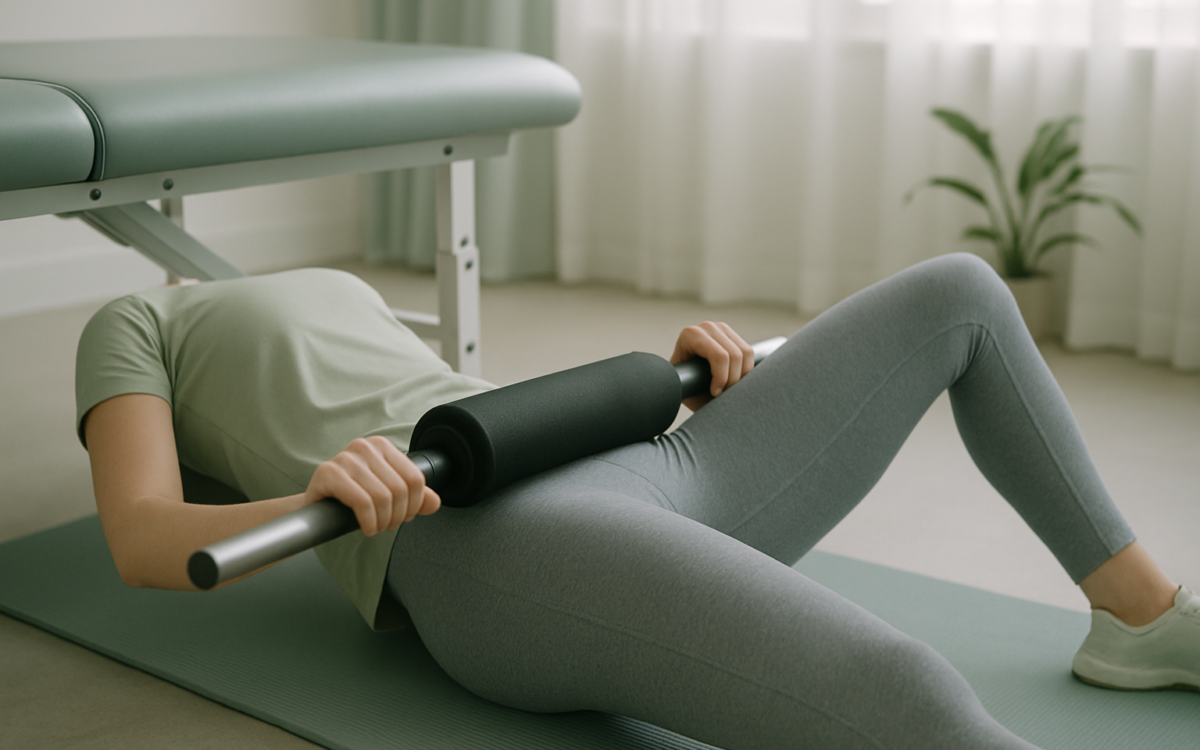
The hip thrust is a lower-body exercise that involves elevating your hips while keeping your upper back on a stable surface, usually a bench or platform. This movement primarily engages the gluteus maximus, the largest muscle in the buttocks, and also works the hamstrings and core. The beauty of the hip thrust is that it can be easily modified for different fitness levels and goals.
Benefits of Hip Thrusts
Incorporating hip thrusts into your workout routine offers numerous advantages:
- Strengthens the Glutes: One of the primary reasons people perform hip thrusts is to strengthen and develop the glute muscles. Strong glutes contribute to overall athletic performance and can enhance other exercises like squats and deadlifts.
- Improves Hip Extension: Effective hip extension is essential for many athletic activities, including running and jumping. Hip thrusts help improve this movement pattern, making you more powerful and efficient in sports.
- Enhances Core Stability: While mainly a lower-body exercise, hip thrusts require core engagement to maintain proper form. This can lead to improved core stability, which is linked to better posture and reduced risk of injuries.
- Reduces Back Pain: Strengthening the glutes can alleviate strain on the lower back. Research indicates that well-developed glutes can help support proper alignment and reduce discomfort in the lumbar region (NIH).
How to Perform a Hip Thrust
Executing a hip thrust correctly is crucial for maximizing its benefits and minimizing injury risks. Follow these steps for proper form:
- Setup: Sit on the ground with your upper back against a bench or platform. Roll a barbell over your legs so it rests on your hips (or use only your body weight if you’re a beginner).
- Positioning: Bend your knees and place your feet flat on the floor, about shoulder-width apart. Your feet should be positioned so your shins are vertical at the peak of the thrust.
- Lift: Push through your heels to lift your hips toward the ceiling. Squeeze your glutes at the top of the movement.
- Lower: Lower your hips back down without fully resting on the ground, creating tension in your glutes.
- Repetitions: Aim for 3 sets of 10-15 repetitions, adjusting weight as needed.
Common Mistakes to Avoid
While hip thrusts are a fantastic exercise, some common mistakes can hinder your progress or lead to injury:
- Not Engaging the Core: Failing to activate your core can lead to lower back strain. Focus on drawing your belly button in during the movement.
- Using Too Much Weight: Beginners should prioritize form over heavy weights. Start with your body weight or a light barbell and gradually increase as you become comfortable.
- Incorrect Foot Placement: Ensure your feet are positioned correctly to allow for maximum engagement of the glutes. Your knees should not extend past your toes.
How Often Should You Include Hip Thrusts?
The frequency of hip thrust training largely depends on your fitness goals and overall workout routine. If you’re aiming to build strength and size in your glutes, you might include hip thrusts in your workout 1-2 times per week. If you primarily focus on endurance or cardiovascular activities, you could still include them as part of a full-body routine without concerns about overtraining.
Always consider your body’s response and make adjustments accordingly. It’s essential to balance your training with recovery to maintain optimal performance.
Variations to Explore
Once you feel comfortable with basic hip thrusts, consider trying variations to keep your workouts fresh and challenging:
- Single-Leg Hip Thrust: Perform the hip thrust with one leg elevated, which increases difficulty and stability training.
- Weighted Hip Thrust: Increase resistance by adding weight plates to the barbell resting on your hips.
- Hip Thrust with Resistance Bands: Incorporate resistance bands around your knees to increase the engagement of your glutes during the thrust.
When to See a Doctor
If you experience persistent pain, discomfort, or swelling in your hips or lower back that does not improve with rest or over-the-counter pain relief, consider consulting a healthcare professional. Early intervention can help address underlying issues and prevent long-term problems. Additionally, if you have any pre-existing conditions affecting your hips or back, it’s wise to discuss new exercise routines with a doctor or physical therapist.
Conclusion
The hip thrust is a powerful exercise that can greatly enhance your lower body strength and improve overall athletic performance. By mastering the technique and incorporating this movement into your training regimen, you can unlock the numerous benefits it offers. As always, listen to your body, focus on proper form, and don’t hesitate to consult a healthcare professional if you have any concerns. Enjoy your fitness journey!
