
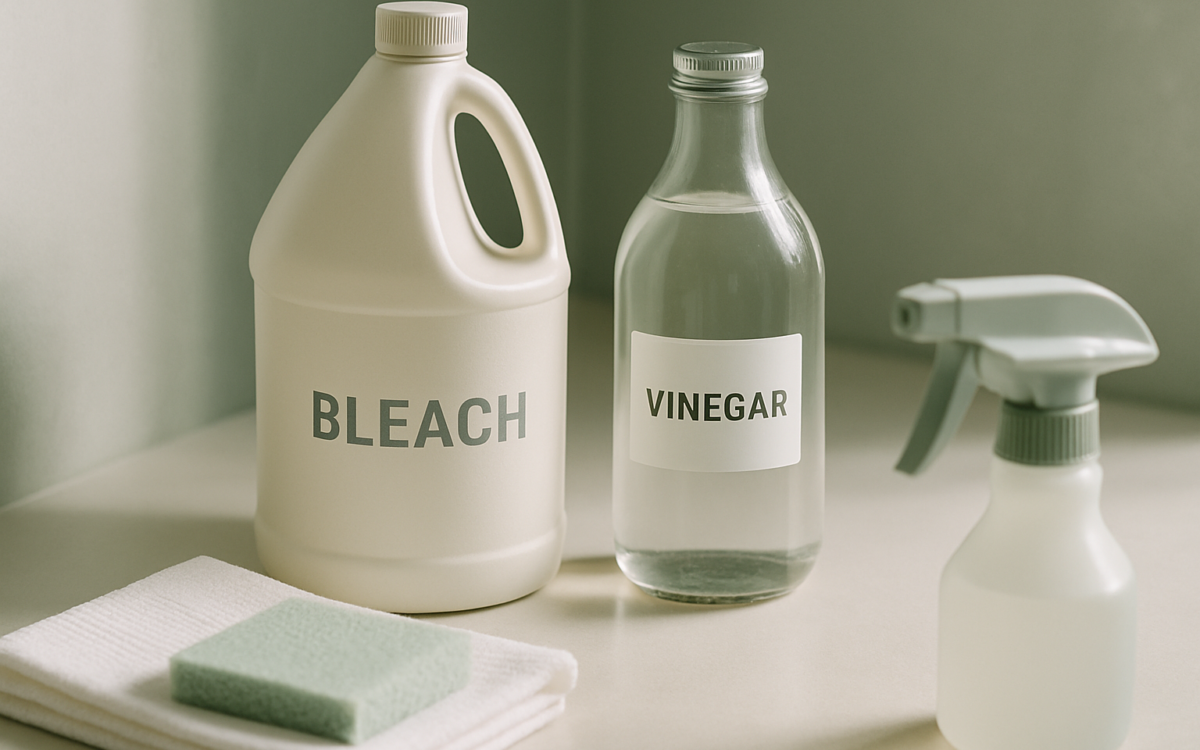
While cleaning our homes, many of us tend to rely on familiar products like bleach and vinegar. Both have their unique strengths—bleach is well-known for disinfecting surfaces, while vinegar is celebrated for its natural cleaning properties. However, a potentially dangerous misconception can arise: using them together. In this article, we’ll explore why mixing bleach and vinegar is a bad idea, the risks involved, and safer alternatives for your cleaning routine.
Understanding Bleach and Vinegar
Bleach, typically in the form of sodium hypochlorite, is a powerful disinfectant often used in households for its ability to kill germs and whiten laundry. It works by breaking down the chemical bonds in stains and bacteria.
Vinegar, on the other hand, primarily consists of acetic acid and water. It’s a versatile cleaning agent that can cut through grease, remove odors, and even act as a mild disinfectant. Many people appreciate vinegar for its ability to clean without harsh chemicals.
The Dangers of Mixing
When bleach and vinegar are combined, they react to produce chlorine gas. This toxic gas can be extremely harmful when inhaled. In small amounts, it can irritate the eyes, throat, and lungs. However, higher concentrations of chlorine gas can lead to severe respiratory issues, as well as headaches and nausea.
Signs of Chlorine Gas Exposure
If someone has been exposed to chlorine gas, they may experience several symptoms, including:
- Difficulty breathing
- Coughing or wheezing
- Nausea or vomiting
- Burning sensations in the eyes, nose, or throat
- Chest pain or tightness
It’s crucial to seek fresh air immediately if you suspect exposure to this gas.
When to Avoid Mixing Cleaning Products
In addition to the bleach and vinegar combination, there are other household cleaning products that should not be mixed:
- Bleach and ammonia: This combination produces toxic chloramine vapors, which can lead to respiratory distress.
- Hydrogen peroxide and vinegar: Mixing these creates peracetic acid, which can be irritating and harmful at high concentrations.
- Different brands of the same product: Variations in chemical composition can lead to unexpected reactions.
For safety, always read labels carefully and use products as directed.
Safer Alternatives for Cleaning
If you’re looking for effective cleaning solutions that are safe and non-toxic, consider these alternatives:
- Baking soda: A natural abrasive that can help with scrubbing and deodorizing.
- Hydrogen peroxide: An effective disinfectant that can kill bacteria without harmful chemicals; just be sure to store it properly.
- Castile soap: A plant-based soap that’s gentle yet effective in cleaning various surfaces.
- Essential oils: Oils like tea tree or lavender not only smell great but also possess antimicrobial properties.
By opting for these alternatives, you can keep your home clean without compromising safety.
When to See a Doctor
If you suspect you or someone else has been exposed to chlorine gas, especially if experiencing severe symptoms, seek medical attention immediately. It’s crucial to consult with a healthcare provider if you have any concerns about chemical exposure or respiratory issues.
Conclusion
Mixing bleach and vinegar may seem like a quick way to boost your cleaning powers, but it can lead to dangerous consequences. Understanding the risks associated with combining these substances is essential for maintaining a safe and healthy home environment. By choosing safer cleaning alternatives, you can effectively manage household tasks while minimizing health risks. Always consult your doctor or a healthcare professional if you have further questions or concerns about chemicals in your home.
