
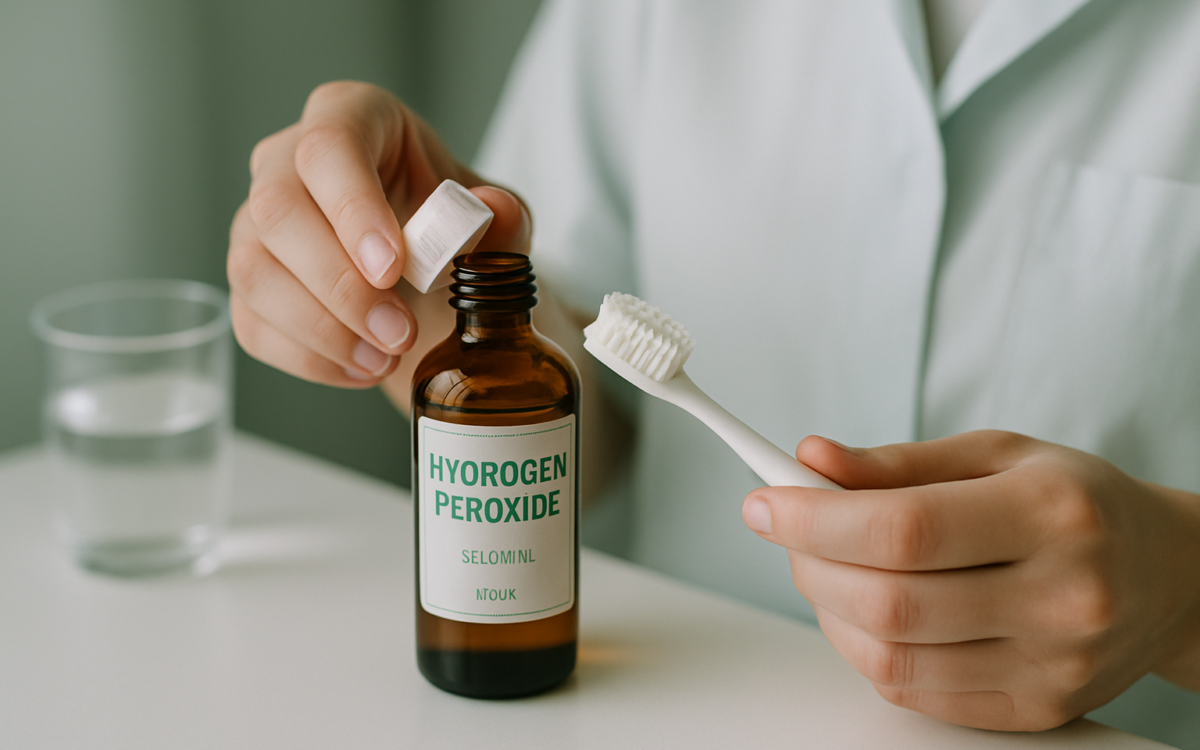
Many people are always on the lookout for effective ways to improve their oral health and brighten their smiles. Among the numerous home remedies and dental products available, hydrogen peroxide often catches attention. This compound, typically recognized for its antiseptic properties, has been discussed as a potential aid for dental care, primarily in teeth whitening and fighting oral bacteria. In this article, we’ll delve into the uses, benefits, and considerations surrounding hydrogen peroxide for teeth.
What is Hydrogen Peroxide?
Hydrogen peroxide is a clear, colorless liquid composed of hydrogen and oxygen. In its pure form, it can be a potent oxidizing agent, commonly used in various industrial applications. For household purposes, it often comes in a diluted form (around 3%) and is frequently utilized as a disinfectant or antiseptic.
How Does Hydrogen Peroxide Whitens Teeth?
The primary reason hydrogen peroxide is popular for teeth whitening is due to its bleaching properties. When applied to teeth, it can break down stains caused by various food and beverage consumption, such as coffee, tea, or wine. The oxidizing nature of hydrogen peroxide helps eliminate surface stains and lighten the overall shade of the teeth.
Usage for Teeth Whitening:
When using hydrogen peroxide for teeth whitening, it’s important to do so correctly to avoid damaging your enamel or gums:
- Dilution: Always dilute hydrogen peroxide with water. A common ratio is one part hydrogen peroxide to two parts water.
- Short Application: Swish the solution in your mouth for about 30 seconds to 1 minute, then spit it out. Avoid swallowing.
- Frequency: Limit usage to 2-3 times a week to minimize any potential sensitivity or irritation.
Benefits of Hydrogen Peroxide for Oral Health
Hydrogen peroxide may offer various benefits beyond whitening teeth:
- Antimicrobial Properties: Hydrogen peroxide can help eliminate oral bacteria, reducing plaque buildup and the risk of gum disease.
- Healing Mouth Sores: Due to its antiseptic characteristics, hydrogen peroxide can aid in healing minor cuts and sores in the mouth.
- Freshening Breath: Using hydrogen peroxide may also help neutralize bad breath by curbing bacterial growth.
Risks and Considerations
While hydrogen peroxide can be beneficial, it’s essential to be aware of its risks. Overuse or improper concentration can lead to:
- Tooth Sensitivity: Frequent use may increase tooth sensitivity, making it uncomfortable to consume hot or cold foods and beverages.
- Gum Irritation: Hydrogen peroxide can irritate the gums if it does not get diluted properly, potentially leading to inflammation.
- Enamel Erosion: Prolonged exposure to hydrogen peroxide, especially at concentrations over 3%, can erode enamel, leading to other dental problems.
Alternatives to Hydrogen Peroxide
If you’re hesitant about using hydrogen peroxide for your teeth, there are several alternatives:
- Commercial Teeth Whiteners: Various over-the-counter products are designed for safe teeth whitening, often with instructions that minimize risks.
- Natural Remedies: Some people find success using natural remedies like baking soda or activated charcoal, but these should also be used with caution.
- Regular Dental Cleanings: Visiting your dentist for professional cleanings can effectively remove stains and improve your overall oral health.
When to See a Doctor
If you notice persistent tooth sensitivity, gum irritation, or if your dental hygiene concerns are beyond what home remedies can address, it’s wise to consult with a dental professional. They can assess any underlying conditions and recommend the best treatment for your specific needs.
Conclusion
Hydrogen peroxide presents a compelling option for individuals interested in enhancing their oral health and achieving a whiter smile. While it has potential benefits in teeth whitening and antibacterial properties, caution is crucial. Consulting with a dental professional before starting any new oral care regimen is always a smart choice. As with all DIY dental options, it’s essential to balance effectiveness with safety for optimal oral health.
