
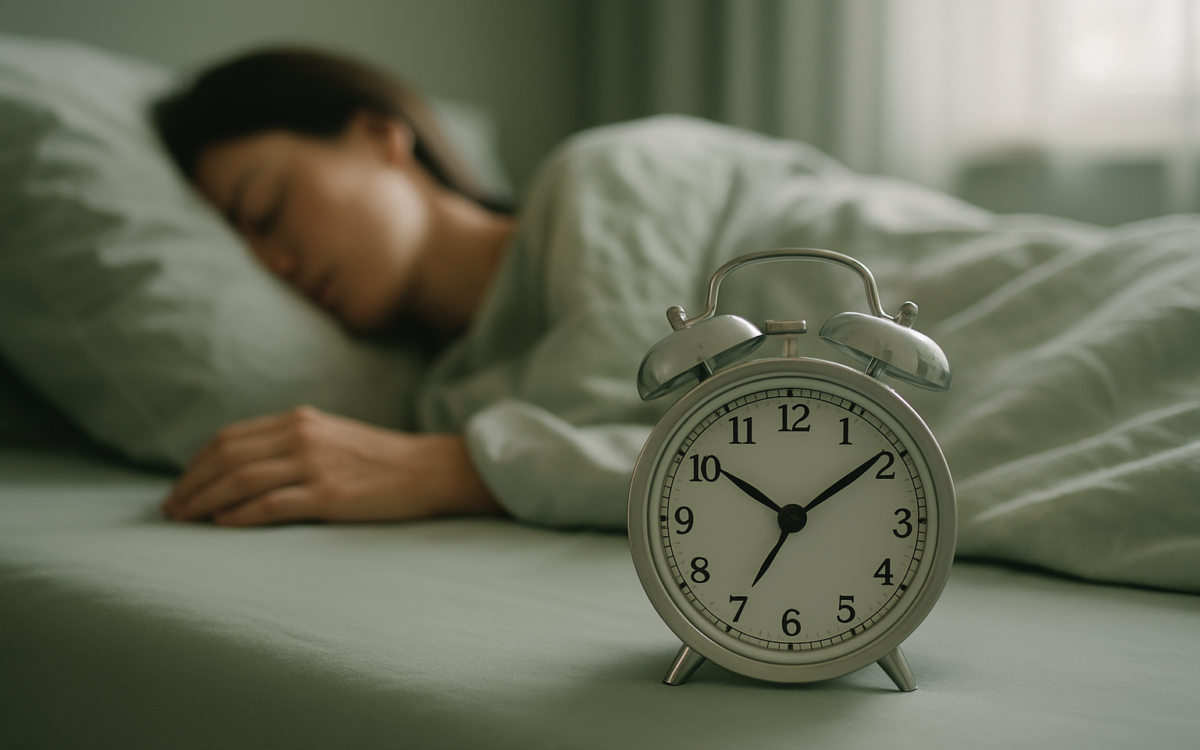
In our fast-paced world, a common question arises: Is 6 hours of sleep enough? Many people lead busy lives, often sacrificing sleep in pursuit of productivity or leisure. However, understanding the implications of getting insufficient sleep is crucial for both physical and mental health. Let’s delve into the effects of sleep duration and what six hours means for you.
Understanding Sleep Requirements
Sleep is essential for good health. The National Sleep Foundation recommends that adults aged 18-64 get 7 to 9 hours of sleep each night. For older adults, the recommendation is between 7 and 8 hours. These guidelines are based on various studies showing the importance of sleep for overall well-being. Insufficient sleep can lead to various health issues, including weakened immune systems and impaired cognitive function.
Impacts of Six Hours of Sleep
So, what happens when you often get only six hours of sleep? For some individuals, this may seem manageable, but the effects can accumulate over time.
Cognitive Function: Research indicates that sleep deprivation can affect cognitive processes like attention, learning, and problem-solving. Those who sleep less than the recommended amount may experience slower reaction times and difficulties in concentration.
Physical Health: Chronic sleep deprivation has been linked to serious health issues, including diabetes, cardiovascular diseases, and obesity. A study published by the National Institutes of Health suggests that inadequate sleep can lead to increased inflammation and hormonal disruptions that affect metabolism.
The Role of Sleep Quality
It’s not just about how long you sleep, but how well you sleep. Quality of sleep refers to how restorative your sleep is. Six hours of good-quality sleep can be more beneficial than eight hours of poor-quality sleep.
Good sleep quality involves:
- Going through all the sleep cycles adequately, including REM and deep sleep.
- Feeling rested and alert upon waking.
- Experiencing minimal disruptions during the night.
To improve sleep quality, consider establishing a regular bedtime routine, ensuring your sleep environment is comfortable, and limiting exposure to screens before bed.
Individual Differences in Sleep Needs
Everyone is different, and sleep needs can vary based on various factors such as age, genetics, lifestyle, and overall health status. Some people may feel perfectly fine on six hours of sleep, while others may need more. Listening to your body is key.
Factors influencing your sleep needs include:
- Genetics: Some people may have a genetic predisposition that allows them to function with less sleep.
- Physical Activity: Those who are more physically active might require additional sleep for recovery.
- Stress Levels: High stress can lead to restless nights, affecting sleep quality and duration.
The Consequences of Chronic Sleep Deprivation
Many people find themselves in a cycle of inadequate sleep, which can create a range of problems:
Mental Health Issues: Lack of sleep is linked to mood disorders such as depression and anxiety. Sleep disturbances can exacerbate these conditions, creating a vicious circle. The World Health Organization emphasizes the connection between mental health and sleep.
Decreased Immune Function: Sleep is vital for a healthy immune system. Insufficient sleep can make you more susceptible to infections.
Increased Risk of Accidents: Sleep-deprived individuals are more prone to accidents, whether at work, in sports, or while driving.
Practical Tips for Better Sleep
If you’re struggling with sleep, here are some practical tips to help you get the rest you need:
- Set a Schedule: Go to bed and wake up at the same time every day, even on weekends.
- Create a Relaxing Pre-Sleep Routine: Engage in calming activities such as reading or taking a warm bath before bed.
- Avoid Caffeine and Heavy Meals: Limit caffeine intake in the afternoon and evening, and avoid heavy meals close to bedtime.
- Limit Naps: While short naps can be refreshing, long or irregular napping can affect your nighttime sleep.
When to See a Doctor
If you consistently struggle to get a good night’s sleep or feel fatigued during the day despite sleeping six hours, it might be time to consult a healthcare professional. Symptoms such as snoring, waking frequently at night, or feeling tired even after sleeping can indicate a sleep disorder.
Conclusion
While six hours of sleep may seem sufficient for some, it’s essential to consider both sleep quantity and quality. Pay close attention to how you feel daily and adjust your sleep habits accordingly. Remember, good sleep is a cornerstone of good health, and prioritizing it can lead to a happier, healthier life.
