
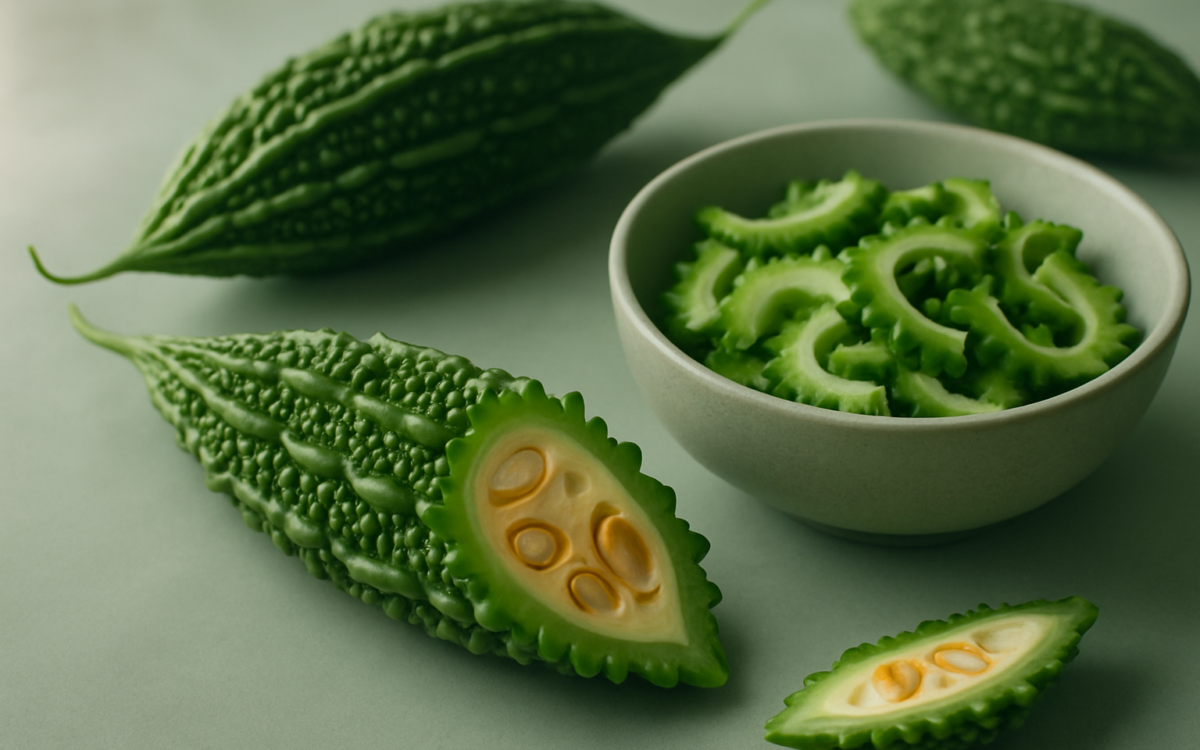
Bitter gourd, also known as bitter melon, is a distinctive vegetable that often makes an appearance in various Asian cuisines. Despite its strong flavor, this green vegetable is revered for its impressive health benefits. Packed with vitamins and minerals, bitter gourd is gaining recognition beyond the kitchen, especially in the realm of health and wellness.
What is Bitter Gourd?
Bitter gourd (Momordica charantia) is a tropical vine known for its unique, warty exterior and distinct flavor. It is cultivated in several regions, particularly in Asia, Africa, and the Caribbean. The vegetable is often used in savory dishes, soups, and stir-fries, and is valued for its medicinal properties.
Health Benefits of Bitter Gourd
Bitter gourd is packed with nutrients that can benefit your health in various ways. Its potential benefits include:
- Blood Sugar Regulation: Many studies have shown that bitter gourd may help lower blood sugar levels. Some research suggests that compounds in bitter gourd can mimic insulin and enhance glucose uptake.(NIH)
- Rich in Nutrients: Bitter gourd is low in calories yet high in vitamins C, A, and potassium. This makes it an excellent addition to a healthy diet.
- Antioxidant Properties: The presence of antioxidants in bitter gourd may help protect cells from damage caused by free radicals, reducing the risk of chronic diseases.
- Digestive Health: The high fiber content in bitter gourd can help promote digestive health by preventing constipation and aiding in regular bowel movements.
Nutritional Breakdown
Understanding the nutritional profile of bitter gourd can help you appreciate its health benefits even more. Here’s a general idea of what you get in one cup (approximately 92 g) of raw bitter gourd:
- Calories: 17
- Carbohydrates: 4 g
- Protein: 1 g
- Fat: 0 g
- Fiber: 2 g
- Vitamin C: 93% of the Daily Value (DV)
- Vitamin A: 44% of the DV
- Folate: 16% of the DV
This impressive breakdown reflects why this vegetable has received attention from health enthusiasts and researchers alike.
Culinary Uses of Bitter Gourd
Despite its bitter taste, bitter gourd can be a flavorful addition to many dishes. Here are some culinary tips:
- Stir-frying: A popular way to prepare bitter gourd is to stir-fry it with spices and other vegetables. This method can help to balance its bitterness.
- Juicing: Juicing bitter gourd can mix well with other fruits and vegetables, offering a nutritious beverage.
- Stuffed Dishes: In some cuisines, people stuff bitter gourd with meat or lentils and cook them in savory sauces, creating a delectable dish.
Experimenting with different cooking methods can help you find a way to enjoy this vegetable’s distinctive flavor.
Potential Risks and Precautions
While bitter gourd has numerous health benefits, it’s essential to be aware of potential risks associated with its consumption:
- Blood Sugar Levels: Due to its effect on blood sugar, those on diabetes medication should consult with a healthcare provider before adding significant amounts of bitter gourd to their diet.
- Gastrointestinal Issues: Some people may experience digestive discomfort when consuming bitter gourd, especially in large quantities.
- Pregnancy Concerns: Women who are pregnant should be cautious as bitter gourd may stimulate uterine contractions.
It’s always a good practice to consume it in moderation and consult with a healthcare professional if you have any concerns.
When to See a Doctor
If you experience any adverse reactions after consuming bitter gourd or if you have existing health conditions, it’s important to consult a doctor. Symptoms like excessive gastrointestinal discomfort, unexplained changes in blood sugar levels, or allergic reactions should prompt a visit to a healthcare provider.
Additionally, if you are considering using bitter gourd as a supplement for managing a specific health issue, consulting with a healthcare professional can ensure it’s safe to include in your dietary routine.
Conclusion
Bitter gourd, or bitter melon, may be a less familiar vegetable to some, but its health benefits make it worthy of inclusion in your diet. Whether you enjoy it in savory dishes or explore its potential health advantages, this unique ingredient offers a variety of uses. As always, balance and moderation are key, and consulting a healthcare provider is recommended when making significant dietary changes.
