
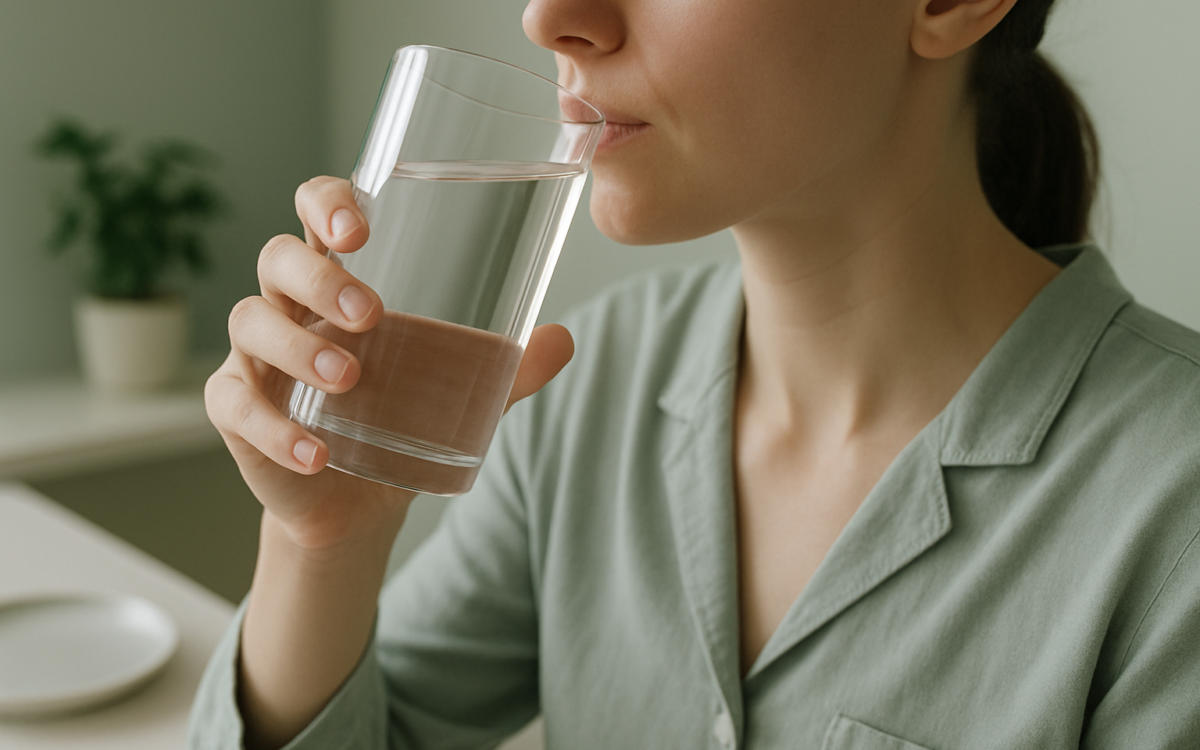
Have you ever wondered what water truly tastes like? While it may seem like a simple question, the flavor of water can be influenced by various factors, making it a fascinating topic to explore. Water is essential for life, yet its taste can vary considerably depending on its source, the minerals it contains, and even your individual perception.
What Does Water Taste Like?
Most people describe pure water as tasteless. However, it’s not entirely accurate to say that water has no flavor. In its purest form, distilled water may have a neutral taste, but water from natural sources often possesses distinct flavors.
Various factors contribute to the taste of water:
- Source: Tap water, bottled water, and spring water can taste quite different. For example, tap water may contain chlorine or fluoride, which can impart noticeable flavors.
- Mineral Content: Water from natural springs often contains minerals like calcium, magnesium, and sodium, giving it a unique taste and mouthfeel. This is why some people prefer spring water over tap water.
- Temperature: The temperature of water can also influence how we perceive its taste. Colder water is often perceived as more refreshing, while warmer water can taste slightly sweeter.
- Contaminants: If water contains impurities or contaminants, it can have an unpleasant taste or odor. Regular testing of your water supply is important for health and taste.
The Role of Taste Buds in Water Perception
The human tongue has taste buds that detect various flavors, such as sweet, salty, sour, bitter, and umami. However, water does not fit neatly into any of these categories. Some researchers suggest that water may stimulate the taste buds differently due to its unique chemical properties.
Interestingly, studies have shown that our brain responds to the texture and temperature of water, in addition to its taste. For instance, water that feels smoother or silkier might be perceived as more palatable. This multi-sensory experience can influence how we perceive the taste of water.
Flavor Influencers: Environment and Memory
Our experiences and memories related to water can also impact how we perceive its taste. Have you ever tasted a glass of water on a hot day and found it incredibly refreshing? The context of your environment plays a vital role in how you experience flavors.
Additionally, cultural backgrounds can shape our preferences. In some cultures, flavored waters are common, while in others, enjoying water in its natural state is more typical. These differences highlight the subjective nature of taste and flavor perception.
Health Benefits of Staying Hydrated
No matter how you perceive its flavor, water is vital for maintaining good health. Staying adequately hydrated offers numerous benefits:
- Regulates Body Temperature: Water helps maintain your body’s temperature through perspiration and respiration.
- Aids Digestion: Drinking water can assist in breaking down food and preventing constipation.
- Supports Nutrient Absorption: Proper hydration is crucial for your body to absorb vitamins and minerals effectively.
- Improves Mood and Cognitive Function: Dehydration can lead to fatigue, poor concentration, and mood swings.
For detailed hydration recommendations and tips, visit the CDC’s hydration resources.
Are There Different Types of Water to Consider?
Not all water is created equal, and recognizing the differences can help you choose what’s best for you:
- Tap Water: Treated with chemicals to make it safe for consumption. Check your local water quality report for specific flavors and contaminants.
- Spring Water: Sourced from natural springs and typically contains beneficial minerals. Many people love its distinct taste.
- Mineral Water: Contains high concentrations of minerals, often leading to rich and varied flavors. Good for both hydration and taste.
- Filtered Water: While effective at removing contaminants, home filtration systems can also alter water’s taste.
When to See a Doctor
If you notice significant changes in how water tastes to you, it might be worth discussing with a healthcare professional. Changes could indicate concerns like dehydration or other underlying health issues.
Conclusion
The taste of water is a complex topic influenced by multiple factors such as source, minerals, temperature, and even our memories. While many find pure water to be tasteless, others appreciate the nuances in flavor. Regardless of personal preferences, staying hydrated is essential for good health. So, the next time you take a sip, consider not just the refreshment but also the fascinating journey of flavor that water can take!
