
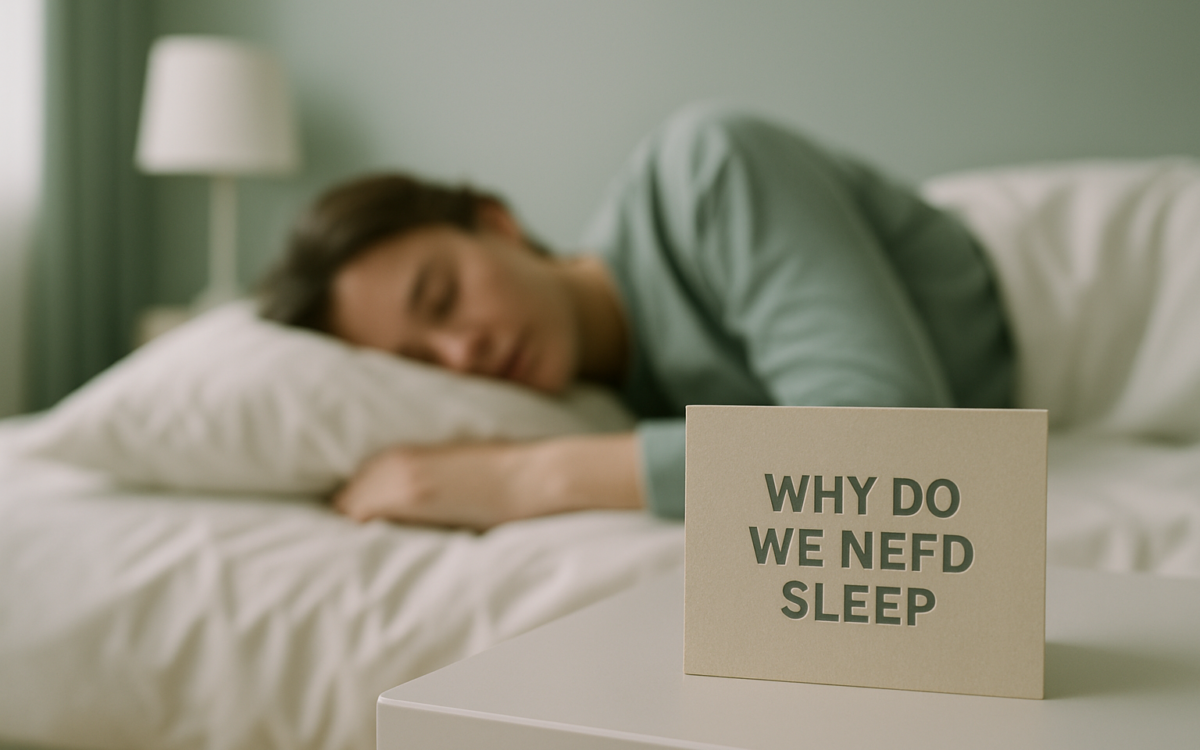
Sleep is often viewed as a time for rest, but in reality, it’s a dynamic period when our bodies and minds engage in crucial processes necessary for overall health. Yet, many people struggle to get enough quality sleep. So, why do we actually need sleep, and what happens when we don’t get it?
Restoration and Repair
One of the primary functions of sleep is to allow our bodies to repair and restore themselves. During sleep, particularly in deep sleep stages, the body focuses on repairing tissues, building bone and muscle, and bolstering the immune system. This is when growth hormone levels peak, significantly aiding in recovery.
Research shows that during sleep, metabolic processes slow down, which allows the body to conserve energy and prioritize repair work. This restorative function is vital for athletes and anyone engaging in physical activities. Studies suggest that sleep promotes recovery from exercise, reduces injury risk, and even enhances athletic performance (https://www.ncbi.nlm.nih.gov/).
Cognitive Functions
Sleep is crucial for brain health. It has a profound effect on cognitive functions, such as attention, concentration, and problem-solving abilities. During sleep, our brains consolidate memories and process information gathered throughout the day, which is key to learning.
Lack of sleep can impair cognitive functions, leading to reduced focus, slower reaction times, and poor decision-making. Some studies have indicated that chronic sleep deprivation can even contribute to longer-term cognitive decline and increase the risk of neurodegenerative diseases (https://www.ncbi.nlm.nih.gov/pmc/articles/PMC6466639/).
Emotional Well-Being
Sleep influences not just our physical health but our emotional state too. Insufficient sleep has been linked to increased levels of stress and irritability, making it harder to manage emotions effectively. When we’re well-rested, we’re generally better equipped to handle stress, make rational decisions, and interact positively with others.
Furthermore, sleep disorders are closely associated with mental health conditions such as anxiety and depression. The relationship between sleep and mental health is cyclical; poor sleep can worsen mental health symptoms, while mental health challenges can lead to sleep issues (https://www.who.int/news-room/fact-sheets/detail/mental-health-strengthening-our-response).
Physical Health Benefits
Adequate sleep is fundamental for maintaining a healthy body. It plays a vital role in regulating hormones, including those that control appetite. Sleep deprivation can lead to hormonal imbalances that contribute to weight gain and obesity. Additionally, inadequate sleep has been associated with increased risks for chronic health issues such as diabetes, cardiovascular disease, and hypertension.
Moreover, quality sleep supports the regulation of blood sugar levels and reduces inflammation in the body. Consistent lack of sleep disrupts these processes and can lead to significant health complications over time.
Immune System Function
Your immune system relies heavily on sleep to function correctly. While we sleep, our bodies produce cytokines, proteins that help fight infections and inflammation. A lack of sleep can lower your immune response, making you more susceptible to illnesses.
Various studies have shown that individuals who do not get enough sleep are more likely to get sick after being exposed to a virus. This underscores the importance of sleep in maintaining a strong immune system and your body’s ability to heal (https://www.mayoclinic.org/healthy-lifestyle/adult-health/in-depth/sleep/art-20045417).
Practical Tips for Better Sleep
Understanding the value of sleep is the first step towards improving your sleep quality. Here are some practical tips to help enhance your sleep:
- Establish a Routine: Go to bed and wake up at the same time every day, including weekends.
- Create a Relaxing Environment: Make sure your bedroom is conducive to sleep—dark, cool, and quiet.
- Limit Screen Time: Reduce exposure to screens at least an hour before bed to help your brain wind down.
- Avoid Stimulants: Limit caffeine and nicotine, especially in the hours leading up to bedtime.
- Be Mindful of Food: Avoid large meals close to bedtime, as they can cause discomfort and disrupt sleep.
When to See a Doctor
If you’re consistently having trouble sleeping despite adopting good sleep hygiene practices, it may be time to speak with a healthcare professional. Signs that you should seek medical advice include:
- Persistent difficulty falling or staying asleep.
- Daytime fatigue that impairs your daily activities.
- Experiencing severe mood changes or anxiety that affects your quality of life.
Conclusion
Sleep is not just a passive state of rest; it is an active period vital for our physical, emotional, and cognitive health. Understanding the reasons we need sleep can motivate us to prioritize it as part of a healthy lifestyle. By taking steps to improve our sleep, we can enhance our overall well-being and resilience to life’s challenges.
