
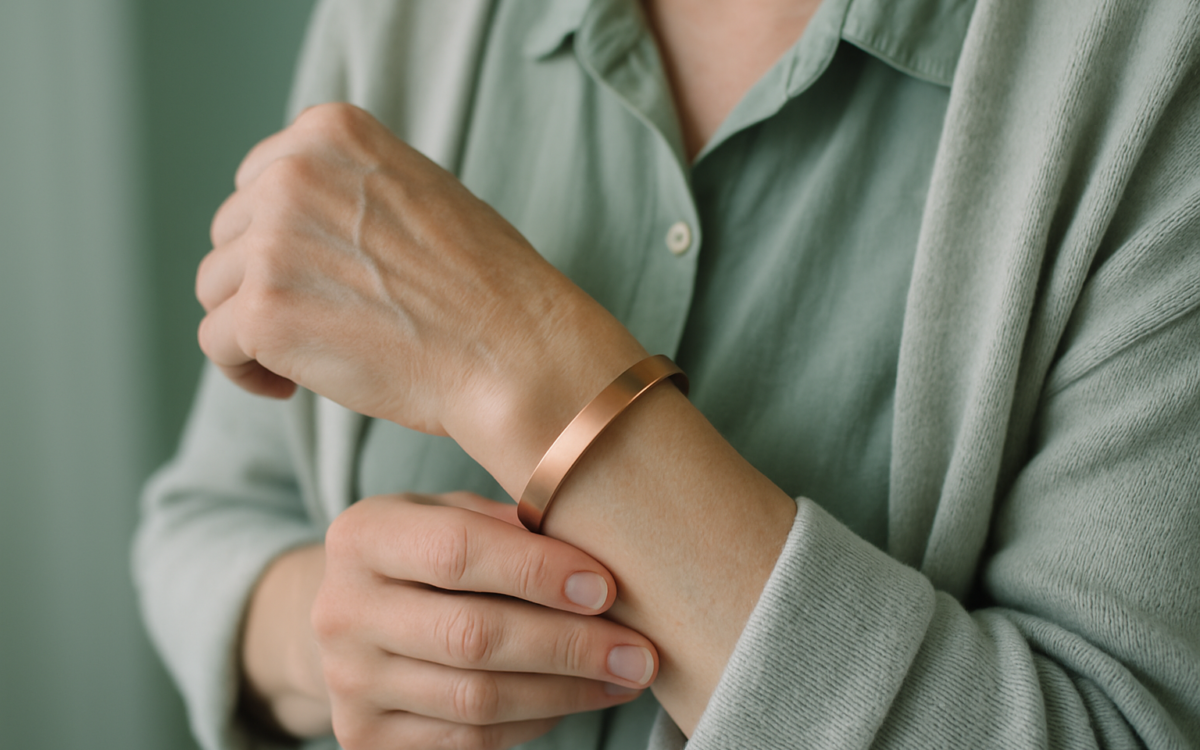
Copper bracelets have long been worn as both fashion accessories and alternative health tools. Some individuals swear by their ability to alleviate pain, especially in joints affected by arthritis or other conditions. But is there any scientific backing for these claims? In this article, we’ll dive into the history, purported benefits, and what the research really says about copper bracelets.
The Historical Roots of Copper Bracelets
Copper has been used by various cultures for thousands of years, not only for tools and coins but also for its supposed medicinal properties. Ancient Egyptians used copper for wound treatment, while Greeks and Romans often wore copper to ward off diseases. This historical backdrop contributes to the popularity of copper bracelets today, particularly for those seeking natural remedies for ailments.
How Do Copper Bracelets Work?
The primary claim surrounding copper bracelets is that they can relieve pain and improve health through transdermal absorption. Some believe that wearing a copper bracelet allows the metal to seep into the skin, thereby reducing inflammation and easing discomfort. While copper is an essential trace mineral needed for many body functions, including red blood cell formation and immune system support, the effectiveness of bracelets as a source of copper absorption is largely disputed.
Scientific Evidence: What Does Research Say?
Evidence supporting the use of copper bracelets for pain relief is mixed at best. Several studies have been conducted to investigate their effects on conditions like arthritis and joint pain.
- One small clinical trial published in the journal Journal of Pain Research indicated that some participants felt pain relief while wearing a copper bracelet. However, this study lacked a control group, making it difficult to determine whether the results were due to the bracelet itself or the placebo effect.
- Conversely, a larger study in the Mayo Clinic Proceedings found no significant difference in pain levels between those who wore copper bracelets and those who wore a placebo. This suggests that any perceived benefits may not stem from the copper, but rather from the belief in its effectiveness.
Ultimately, more rigorous research is needed to substantiate the claims surrounding copper bracelets. While they may not be a magical solution for pain, their comfort and style can still be appealing to many.
Are There Risks in Wearing Copper Bracelets?
For most people, wearing a copper bracelet poses few risks. However, some individuals might experience skin irritation or an allergic reaction. Copper jewelry can also tarnish and leave green marks on the skin, which is generally harmless but can be an aesthetic concern.
It’s also important to note that individuals with certain health conditions, such as Wilson’s disease—where the body cannot properly process copper—should avoid copper jewelry completely.
Alternative Treatments and When to Seek Professional Help
If you’re considering alternative treatments for joint pain or arthritis, there are many options available beyond copper bracelets. Acupuncture, physical therapy, and even specialized dietary changes can provide pain relief and improve overall health.
Additionally, if you’re thinking about traveling abroad for specialized treatments, you might consider facilities like Acibadem International, which offers modern approaches to health issues in a trusted environment.
Remember, while alternative therapies might work for some, consulting with a healthcare professional is crucial. They can help you choose the best treatment tailored to your individual needs.
How to Choose the Right Copper Bracelet
If you’ve decided to try a copper bracelet, here are a few tips for choosing the one that’s right for you:
- Material Quality: Opt for bracelets made from genuine copper, as some low-quality imitations may contain other metals that can induce allergic reactions.
- Design: Choose a style that appeals to you and fits comfortably. Many people wear their bracelets daily, so comfort is key.
- Size: Ensure a proper fit. A bracelet that’s too tight can cause discomfort over time, whereas one that’s too loose may slip off.
Ultimately, your choice should reflect your personal style while also considering any potential health benefits.
Conclusion
Copper bracelets remain a popular choice for those seeking alternative methods for wellness. While the scientific evidence about their effectiveness is limited, many wearers find comfort and beauty in them. If you enjoy wearing a copper bracelet and find it beneficial, there’s no harm in continuing to do so. However, for more serious health concerns, always consult your healthcare provider.
When to See a Doctor
If you experience chronic pain, inflammation, or other concerning symptoms, it’s essential to consult a healthcare professional. Seeking timely medical advice can help you explore effective treatments and prevent further complications.
