
Many of us have been there: standing in front of a mirror, examining our skin, and spotting those pesky blackheads. Despite being a common skin concern, there is a lot of misunderstanding surrounding how to handle them. In this article, we will explore what blackheads are, why they appear, and the safest ways to manage them.
What Are Blackheads?
Blackheads are small bumps that appear on the skin, especially on the face, nose, and back. They are a type of acne known as open comedones. Unlike closed comedones, or whiteheads, blackheads have an open surface. This is why they appear dark or black: the dark color is due to the oxidation of melanin when the pore is exposed to air.
Why Do Blackheads Form?
Understanding the root causes of blackheads can help you prevent new ones from forming. Blackheads occur when hair follicles become clogged with oil, dead skin cells, and bacteria. Several factors contribute to this buildup:
- Excess Oil Production: Hormonal changes, particularly during puberty, menstruation, or pregnancy, can stimulate increased oil production in the skin.
- Dead Skin Cells: When dead skin cells don’t shed properly, they can accumulate in the hair follicles and mix with oil, leading to blockages.
- Diet and Lifestyle: Certain diets high in sugar and refined carbohydrates have been associated with increased acne. Stress and lack of sleep can also exacerbate skin issues.
Popping Blackheads: Is It Safe?
Many people are tempted to pop blackheads to achieve instant gratification and clearer skin. However, dermatologists warn against the practice for several reasons:
- Risk of Infection: Popping blackheads can introduce bacteria from your hands into the skin, leading to potential infections.
- Scarring: Squeezing too hard can damage the skin, leading to scars or dark spots that may take longer to heal than the blackheads themselves.
- Inflammation: The act of popping can cause the surrounding area to become red and swollen, sometimes leading to more pronounced acne.
Safe Ways to Manage Blackheads
If you’re struggling with blackheads, there are recommended methods to manage them without resorting to popping:
Cleansing
Use a gentle cleanser daily to keep your skin clean. Look for products containing salicylic acid, which can help remove dead skin cells and prevent pores from clogging. Make sure to cleanse your skin twice a day—once in the morning and once before bed—for the best results.
Exfoliation
Regular exfoliation can help eliminate dead skin cells. Consider chemical exfoliants with AHAs (alpha hydroxy acids) or BHAs (beta hydroxy acids), as they can dissolve the debris clogged in your pores. However, be cautious not to over-exfoliate, which can irritate your skin.
Use Non-Comedogenic Products
When selecting skincare and makeup products, opt for those labeled as “non-comedogenic.” These products are formulated to not clog pores, reducing the likelihood of new blackheads forming.
Home Remedies and Treatments
Some people find relief from blackheads using home remedies, though research on their effectiveness can vary:
- Clay Masks: Clay can help absorb excess oil, minimizing the appearance of blackheads.
- Steam Treatments: Steaming the face can help open up pores, potentially making it easier to eliminate blackheads during cleansing. However, always follow up with a gentle cleanser.
- Tea Tree Oil: This natural antibacterial agent may help with acne, including blackheads. Dilute it with a carrier oil to avoid skin irritation.
Professional Treatments
If blackheads are persistent or severe, consider seeking help from a dermatologist. Some professional treatment options include:
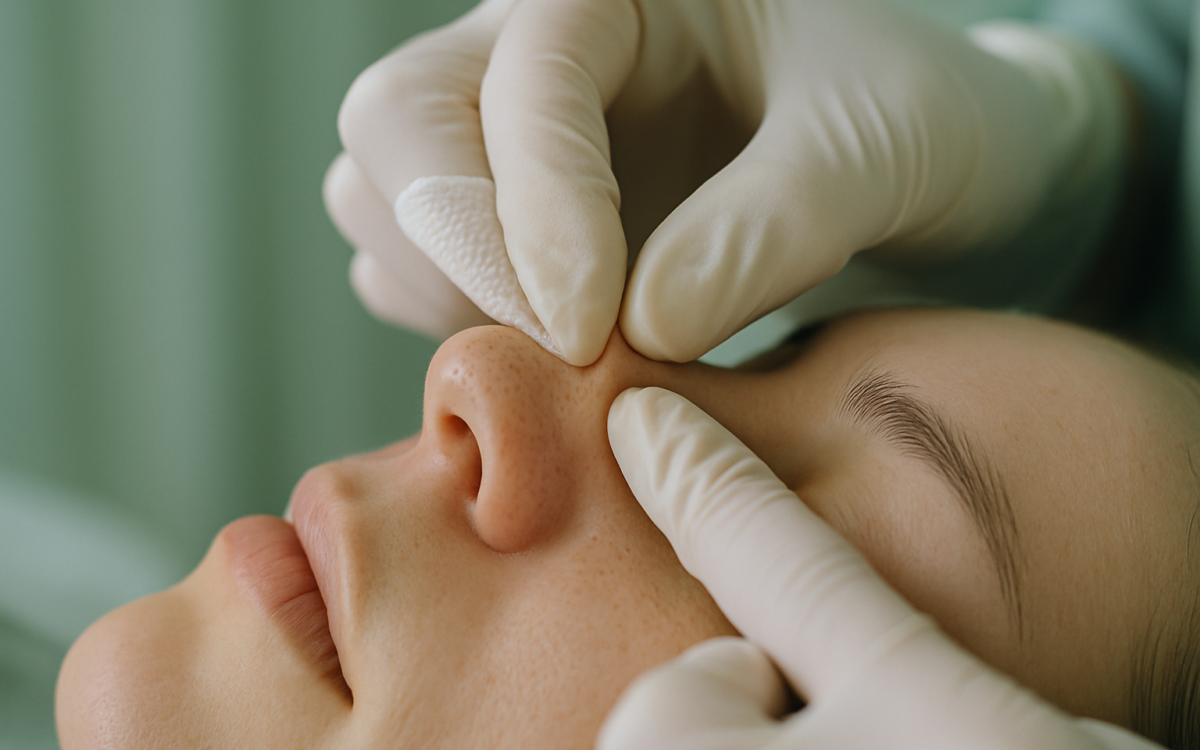
- Extraction: A dermatologist can safely remove blackheads using specialized tools and techniques.
- Chemical Peels: These treatments use stronger acids to exfoliate the skin, reducing clogged pores effectively.
- Prescription Medications: If over-the-counter products aren’t sufficient, dermatologists may prescribe topical retinoids or other medications to address acne.
When to See a Doctor
If you find that your blackheads are not improving despite your best efforts, or if they worsen and become inflamed, it’s advisable to consult a dermatologist. They can provide tailored advice and treatment options to help manage your skin health effectively. Additionally, if you experience significant pain or signs of infection, such as redness and swelling, contact a healthcare professional for guidance.
For more information on skin health, consider resources from the NIH or the Mayo Clinic.
In summary, while the urge to pop blackheads may be tempting, understanding their causes and employing safe management techniques is crucial for maintaining healthy skin. By adopting proper care routines and seeking professional help when necessary, you can keep your skin looking its best.
