
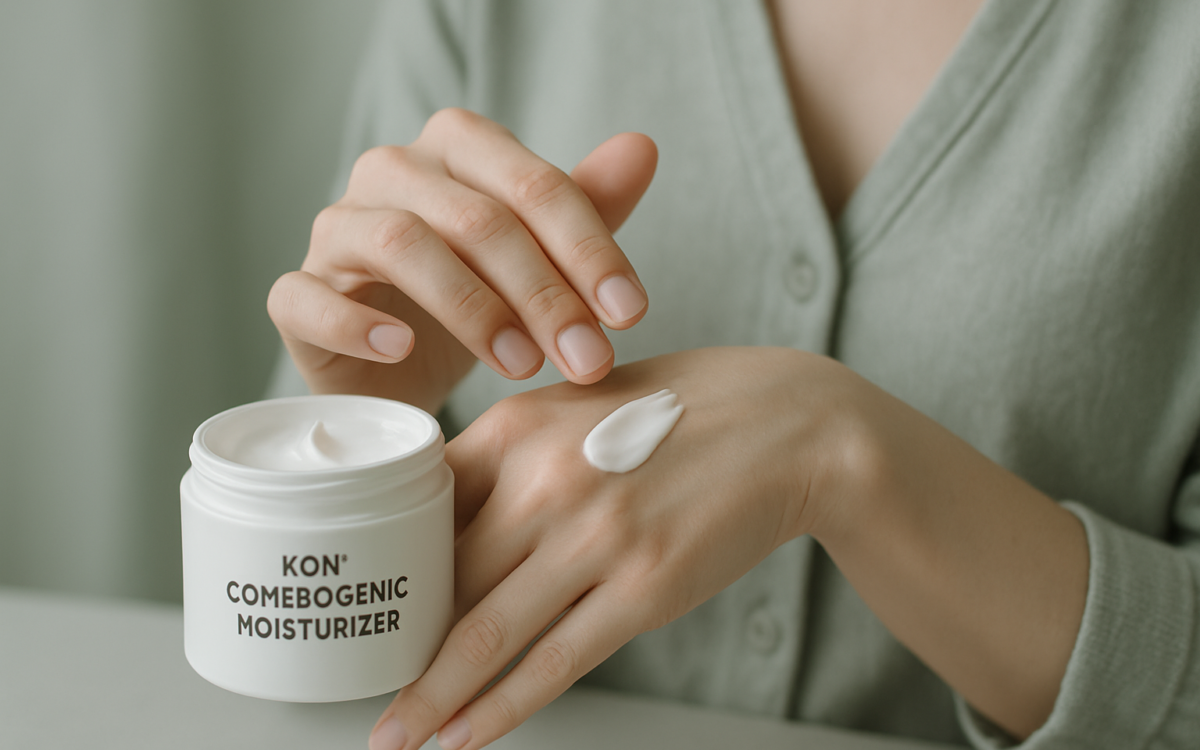
Everyone wants healthy, glowing skin, but for those with oily or acne-prone skin, choosing the right moisturizer can feel like a daunting task. Enter non comedogenic moisturizers. These specialized creams are designed to hydrate your skin without clogging your pores, making them a fantastic option if you’re looking to maintain a clear complexion while still nourishing your skin. In this article, we’ll explore what non comedogenic moisturizers are, their benefits, and how to select the right product for your needs.
What is a Non Comedogenic Moisturizer?
Non comedogenic moisturizers are products formulated to prevent the formation of comedones—those pesky blackheads and whiteheads that can occur when pores become clogged. The term “comedogenic” is derived from the word “comedo,” which refers to the dried sebum and dead skin cells that block hair follicles. By using a non comedogenic moisturizer, you’re choosing a product that minimizes the risk of acne flare-ups and promotes healthier skin.
Why Choose Non Comedogenic Products?
If you have oily or acne-prone skin, you might wonder why you should specifically look for non comedogenic moisturizers. Here are some compelling reasons:
- Prevents Breakouts: These moisturizers are crafted to provide hydration without contributing to clogged pores.
- Lightweight Formulas: Many non comedogenic options have lighter textures, making them ideal for daily use without feeling heavy.
- Skin-Friendly Ingredients: Non comedogenic products often include ingredients that soothe and heal the skin, such as aloe vera or hyaluronic acid.
- Tailored for All Skin Types: There are non comedogenic options suitable for various skin types, including sensitive and combination skin.
Common Ingredients to Look for
When shopping for a non comedogenic moisturizer, it’s essential to familiarize yourself with some skin-friendly ingredients. Here are a few that you should consider:
- Hyaluronic Acid: This powerful humectant draws moisture to the skin, keeping it hydrated without feeling heavy.
- Glycerin: Another effective humectant, glycerin helps maintain moisture levels and promotes a smooth texture on the skin’s surface.
- Aloe Vera: Known for its soothing properties, aloe vera can calm irritated skin while providing moisture.
- Niacinamide: A form of vitamin B3, niacinamide helps regulate oil production, minimizes redness, and improves the skin barrier.
How to Choose the Right Non Comedogenic Moisturizer
Choosing a non comedogenic moisturizer can feel overwhelming with so many options available. To find a product tailored to your needs, consider the following:
1. Know Your Skin Type
Understanding your skin type is essential. If you have oily skin, look for oil-free or gel-based formulas. If you have dry skin, opt for cream-based moisturizers that still carry the non comedogenic label.
2. Check Product Labels
Always read the product labels. Look for products specifically labeled as non comedogenic. This will give you confidence that the product won’t clog your pores.
3. Test for Allergies
Before using a new product, perform a patch test to ensure you don’t have an allergic reaction. Apply a small amount to an area on your arm and wait 24 hours to see if any irritation occurs.
4. Consult Reviews
Consumer reviews can provide insight into how effective a product is for others with similar skin concerns. Websites such as NIH and Mayo Clinic offer articles and studies discussing the effectiveness of various moisturizing ingredients.
Popular Myths About Moisturizers
There are many misconceptions surrounding moisturizers. Here are a few myths debunked:
- All moisturizers are the same: Not true! Different moisturizers serve different purposes, and choosing the right one is crucial for skin health.
- Oily skin doesn’t need moisturizer: Even oily skin needs hydration. A non comedogenic moisturizer can help balance oiliness without causing breakouts.
- Natural products are automatically non comedogenic: Just because a product is labeled as “natural” doesn’t mean it won’t clog your pores. Always check for the non comedogenic label.
When to See a Doctor
If you’re experiencing persistent acne breakouts despite using non comedogenic moisturizers, or if your skin reacts poorly to products, it might be time to consult a dermatologist. They can offer tailored advice and may recommend treatments or products that fit your individual skin needs.
In conclusion, integrating a non comedogenic moisturizer into your skincare routine can help you achieve healthier skin without adding to the issues of acne or breakouts. By understanding your skin type and being mindful of the ingredients in your products, you can make informed choices that align with your skincare goals. Remember, everyone’s skin is unique, so finding the right moisturizer may take some time, but the effort is well worth it.
