
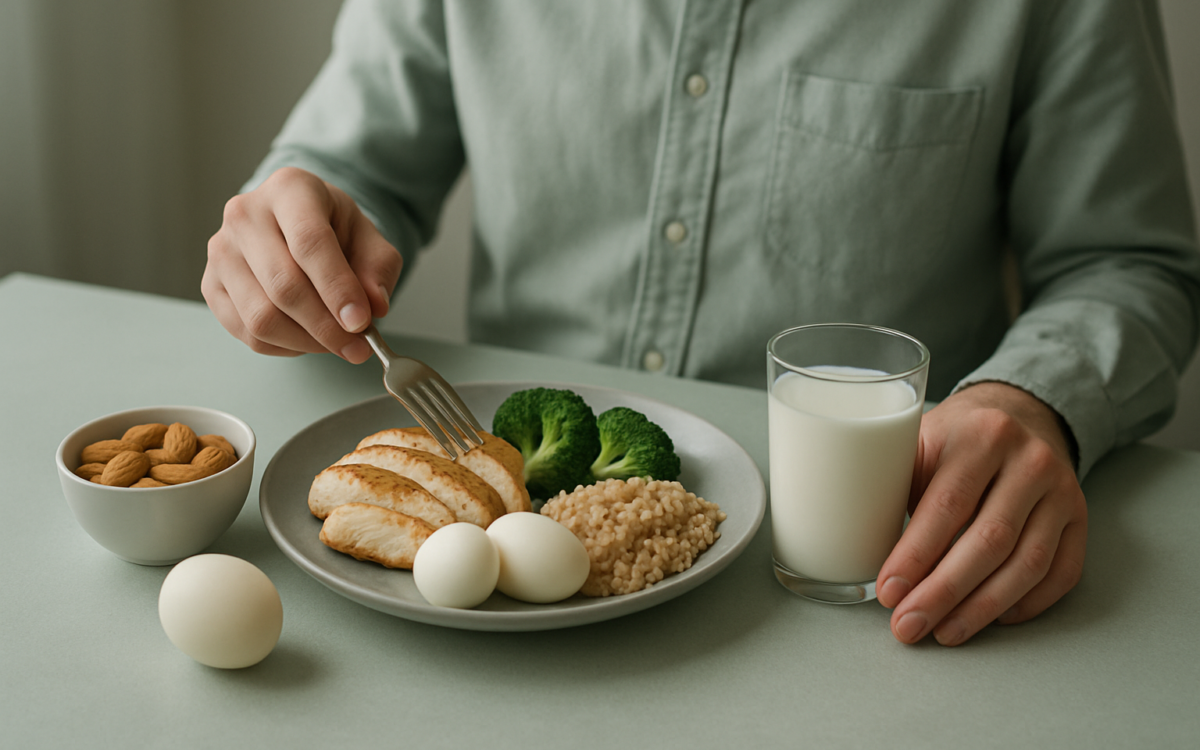
In recent years, protein has become a star in the world of nutrition. Many people are turning to high-protein diets for weight loss, muscle gain, and overall health improvements. But as with many things in life, when it comes to protein, too much of a good thing can have its downsides. So, can you eat too much protein? Let’s dive deeper into this topic.
Understanding Protein and Its Role in the Body
Protein is one of the three macronutrients essential for our body’s structure and function, alongside fats and carbohydrates. It plays a vital role in building and repairing tissues, producing enzymes and hormones, and supporting immune function. Our bodies need a sufficient amount of protein for overall health, but how much is too much?
How Much Protein Do We Really Need?
The recommended dietary allowance (RDA) for protein varies by age, sex, and level of physical activity. For most adults, it is about 46 grams per day for women and 56 grams for men. However, athletes or those engaged in intense physical activities may require more protein to support muscle recovery and performance, sometimes up to 1.2 to 2.0 grams of protein per kilogram of body weight.
While many aim to exceed the RDA to build muscle mass or lose weight, it’s crucial to balance protein intake with other nutrients. Consuming excessively high amounts of protein—generally defined as more than 2 grams per kilogram of body weight—can lead to potential health issues.
Potential Risks of Excess Protein Intake
While protein itself is beneficial, an overabundance might lead to various health repercussions. Here are some potential risks associated with consuming too much protein:
- Kidney Strain: For individuals with pre-existing kidney conditions, high protein intake can further damage kidney function as it increases waste products the kidneys must filter. Healthy individuals typically have no problem with higher protein diets, but it’s smart to be cautious if you’re at risk.
- Dehydration: A high-protein diet can increase the need for water intake. Increased protein metabolism creates more waste, requiring more fluids for effective elimination. Without adequate hydration, you may risk dehydration.
- Nutrient Imbalance: Relying excessively on protein can lead to a decrease in the consumption of other essential nutrients. A balanced diet should include a variety of food groups, ensuring you receive vitamins, minerals, and fiber from fruits, vegetables, and whole grains.
- Digestive Issues: Too much protein, especially from animal sources, can lead to constipation or digestive discomfort, particularly with reduced fiber intake. It’s essential to include fiber-rich foods in your diet.
- Possible Bone Health Issues: Some studies suggest that high protein intake may increase calcium excretion in urine, leading to concerns about bone health. However, more research is needed to draw conclusive links between protein intake and bone density.
Balanced Protein Choices
To enjoy the benefits of protein without overdoing it, consider the following tips:
- Choose Lean Protein Sources: Opt for lean meats, poultry, fish, beans, lentils, and tofu. These provide protein without extra saturated fats.
- Incorporate Plant-Based Options: Beans, legumes, nuts, and seeds not only supply protein but are also rich in fiber and other essential nutrients.
- Watch Your Portions: Be mindful of portion sizes, and try to balance your plate with proteins, whole grains, and plenty of fruits and vegetables.
- Stay Hydrated: If you consume a higher protein diet, make sure to drink plenty of water to help your kidneys function effectively.
Determining Your Protein Needs
Determining how much protein is right for you involves considering your personal health goals, activity level, and any underlying health conditions. A visit to a healthcare provider or a registered dietitian can help tailor your dietary needs based on your individual situation.
When to See a Doctor
If you experience digestive issues, excessive fatigue, changes in urination, or have concerns about your protein intake, it may be helpful to consult a healthcare professional. It’s important to consider how any changes to your diet could affect your overall health.
Conclusion
While protein is a crucial component of a healthy diet, it’s essential to be mindful of how much you consume. Balancing your protein intake with other vital nutrients is key to maintaining good health. Instead of focusing solely on the amount of protein, aim for a diverse, well-rounded diet that meets your personal health and wellness goals. When in doubt, expert guidance can help you navigate your nutritional choices successfully.
